Plan quickly, explore deeply, relax completely!

Budapest Travel Guide: Key Info & Navigation
Core Facts
City Name
Budapest
Region
Central Hungary
Population
~1.7 million
Time Zone
CET (UTC +1),
CEST (UTC +2 summer)
Emergency Number
112
Main Train Station:
Budapest Keleti pályaudvar (Budapest Keleti Railway Station)
Airport
Budapest Ferenc Liszt International Airport (BUD)
Public Transportation
Metro, Trams, Buses, Trolleybuses, Suburban Rail, Taxis
UNESCO Site
Banks of the Danube, Buda Castle Quarter & Andrássy Avenue
Best Time to Visit Cracow:
April–June, September–October
Nice to Know
Famous For:
Thermal Baths, Grand Architecture, Danube River Views, Historic Café Culture
Must-See:
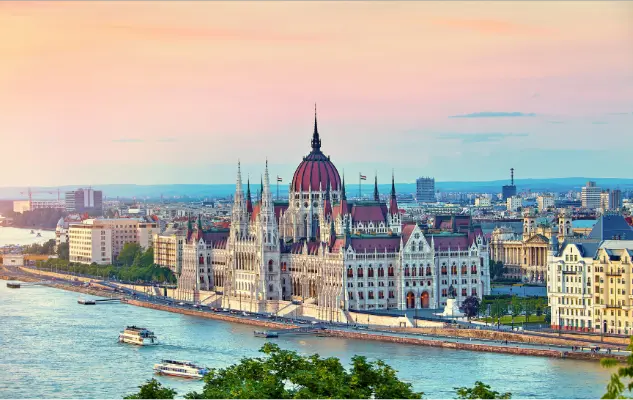
Hungarian Parliament Building, Buda Castle, Fisherman’s Bastion, Széchenyi Thermal Bath
Thermal Bath Culture:
Known as the City of Spas, with historic bathhouses and natural thermal springs
Café Heritage:
Historic coffee houses, elegant pastries, and classic Central European café culture
Local Dish:
Goulash, Lángos, Kürtőskalács
Fun Fact:
Budapest was once three separate cities: Buda, Pest, and Óbuda
Metro Heritage:
Opened in 1896, Metro Line M1 was continental Europe’s first underground railway
Avg Budget:
€60–130/day
Safety Rating:
Very Safe
Internet Speed:
100+ Mbps
On This Page
- 1. Key Info & Navigation
- 2. Explore by Category & Map
- 3. Must-See Places in Budapest
- 4. Neighborhoods to Explore
- 5. Budapest Itinerary Picks
- 6. Best Photo Spots in Budapest
- 7. Art, Culture & Events Scene
- 8. Famous Quotes About Budapest
- 9. Budapest Travel Guide FAQ
- 10. Budapest Travel Tips & Insights
Explore Budapest: Search, Filter & Find Top Spots

What is Lorem Ipsum? Lorem Ipsum is simply dummy text of the printing and typesetting industry....
-
Scout Levi

What is Lorem Ipsum? Lorem Ipsum is simply dummy text of the printing and typesetting industry....
-

What is Lorem Ipsum? Lorem Ipsum is simply dummy text of the printing and typesetting industry....
-

What is Lorem Ipsum? Lorem Ipsum is simply dummy text of the printing and typesetting industry....
-
Must-See Places in Budapest
Curious about Budapest’s highlights? This Budapest Travel Guide brings you closer to the city’s layered character — from Danube-side landmarks and Castle Hill viewpoints to thermal baths, elegant boulevards, and atmospheric districts shaped by centuries of history.
Explore the map above to discover top Budapest attractions — each pin points you toward memorable views, cultural stories, and practical tips. Then scroll down for the complete list of the best places to visit in Budapest worth adding to your itinerary.
Budapest Neighborhoods to Explore
Not sure where to stay in Budapest? Our Budapest neighborhoods guide highlights the best areas for every traveler — from Castle District views and elegant riverside streets to lively neighborhoods on the Pest side shaped by café culture, ruin bars, local markets, and historic charm.
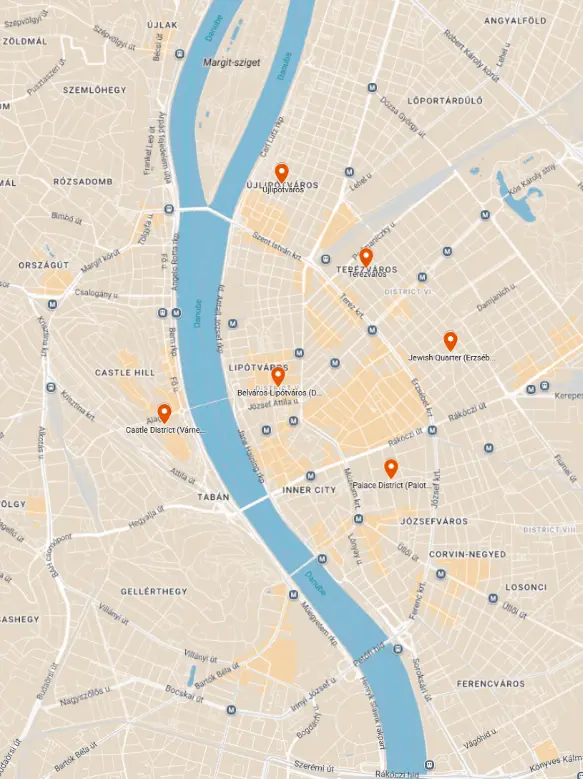
📌Castle District (Várnegyed)
Budapest’s historic hilltop heart — Buda Castle, Fisherman’s Bastion, quiet streets, and sweeping Danube views.
📌Belváros-Lipótváros (District V)
Elegant and central — riverside promenades, the Parliament, cafés, restaurants, and easy access to many of Budapest’s top attractions.
📌Jewish Quarter (Erzsébetváros)
Lively and atmospheric — ruin bars, street art, historic synagogues, nightlife, and creative energy in one of Budapest’s most vibrant neighborhoods.
📌Terézváros
Grand and cultural — Andrássy Avenue, theaters, historic architecture, and classic cafés give this district an elegant city feel.
📌Újlipótváros
Relaxed and local — leafy streets, riverside walks, quiet cafés, and a calmer Budapest vibe near Margaret Island.
📌Palace District (Palotanegyed)
Historic and evolving — elegant old palaces, museums, student life, local cafés, and a more local side of Budapest.
AnyWayTale’s Budapest Itinerary Picks
Build your Budapest itinerary (1–3 days) with self-paced routes that connect the city’s Danube views, thermal baths, historic landmarks, and atmospheric neighborhoods.
1. Andrássy Avenue & Hungarian State Opera House
The perfect start for your Budapest highlights route: take in the elegance of Andrássy Avenue, admire the Hungarian State Opera House, and get your first feel for the city’s grand architectural style.
⏰ 20–30 min 🚶 You’re at the start
2. St. Stephen’s Basilica
Walk toward one of Budapest’s most iconic landmarks, the impressive St. Stephen’s Basilica. Step inside if you have time, or pause outside for photos before continuing toward the Parliament area.
⏰ 25–40 min 🚶 7–10 min from the Opera House
3. Liberty Square (Szabadság tér)
A calm green stop between the Basilica and Parliament — Liberty Square is surrounded by elegant buildings, monuments, cafés, and quiet corners that make a nice short break along the route.
⏰ 15–20 min 🚶 5–7 min from the Basilica
4. Hungarian Parliament Building & Kossuth Lajos Square
Arrive at one of the top Budapest attractions: the magnificent Hungarian Parliament Building. Walk around Kossuth Lajos Square, take in the scale of the façade, and enjoy one of the city’s most memorable photo stops.
⏰ 30–45 min 🚶 8–10 min from Liberty Square
5. Shoes on the Danube Bank
Continue toward the river for a quiet, reflective stop at the Shoes on the Danube Bank memorial. It’s one of Budapest’s most moving places, best visited with a little extra time and respect.
⏰ 15–20 min 🚶 5–7 min from the Parliament
6. Danube Promenade & Chain Bridge Views
Follow the Danube Promenade south for beautiful views of the river, Buda Castle, and the Széchenyi Chain Bridge. This is one of the most scenic stretches of your Budapest walking route.
⏰ 25–35 min 🚶 8–12 min from the memorial
7. Vörösmarty Square — Coffee & Cake Break
Pause at Vörösmarty Square, a central meeting point surrounded by cafés, shops, and city life. Optional stop: enjoy coffee and a classic Hungarian-style pastry before continuing your walk.
⏰ 25–40 min 🚶 7–10 min from the Chain Bridge viewpoint
8. Váci Street & Inner City Stroll
Finish with an easy walk along Váci Street, one of Budapest’s best-known pedestrian streets. It’s a relaxed final stretch for window shopping, people-watching, or finding a casual dinner spot in the Inner City.
⏰ 20–30 min 🚶 3–5 min from Vörösmarty Square
Budapest Highlights Walking Route – Summary
⏱️ Total time: ~4–5 hours (with breaks)
🚶♂️ Distance: ~4.5–5 km (easy, mostly flat city walk)
🍽️ Stops: 8 key locations, including landmarks, river views, coffee & cake, and dinner options
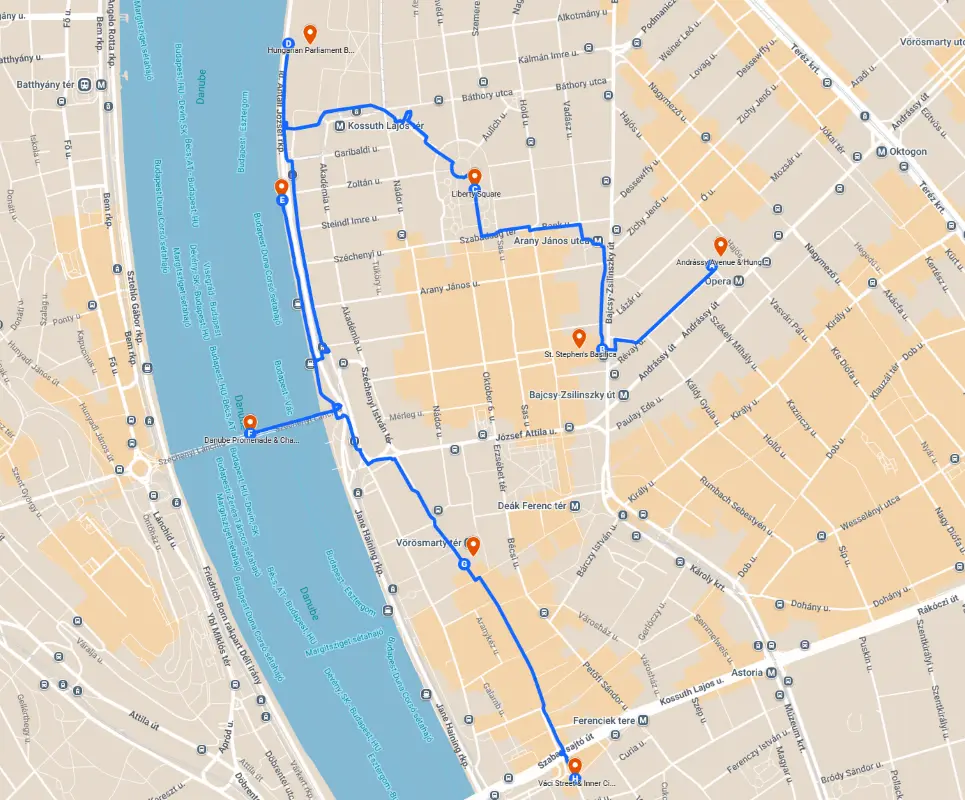
If this is your first time in Budapest and you want an easy, well-paced introduction to the city, this highlights walking route is the one I recommend.
I designed it to flow naturally — from elegant Andrássy Avenue and St. Stephen’s Basilica to the Parliament, the Danube, and the Inner City — so you can see some of Budapest’s most iconic places without unnecessary backtracking. There are pauses for reflection, river views, coffee and cake, and an easy final stroll, giving you time to enjoy the city’s atmosphere instead of rushing from one landmark to the next.
1. Heroes’ Square (Hősök tere)
Start your day at one of Budapest’s most symbolic landmarks. Heroes’ Square introduces the city’s grand scale with its statues, open space, and direct connection to City Park just behind it.
⏰ 25–35 min 🚶 You’re already there
2. City Park (Városliget) & Vajdahunyad Castle
Continue into City Park, where lakeside paths, green spaces, and the fairytale-style Vajdahunyad Castle make this one of the most relaxed morning stops on your Budapest itinerary.
⏰ 30–45 min 🚶 5–7 min from Heroes’ Square
3. Széchenyi Thermal Bath — Morning Bath Stop
Make time for one of Budapest’s most famous experiences: Széchenyi Thermal Bath. Even a shorter visit gives you a taste of the city’s legendary thermal bath culture before heading into the center.
⏰ 1.5–2 hrs 🚶 5–8 min from Vajdahunyad Castle
4. Andrássy Avenue / M1 Metro Toward the Center
Follow the elegant line of Andrássy Avenue toward central Pest. To save time, take the historic M1 metro from the City Park area toward the Basilica and city center.
⏰ 20–30 min 🚇 10–15 min from Széchenyi fürdő M1 station
5. St. Stephen’s Basilica — Coffee or Quick Lunch Nearby
Arrive near St. Stephen’s Basilica, one of the city’s most impressive landmarks. Step inside if you have time, enjoy the square, and pause nearby for coffee, a light lunch, or something sweet before the afternoon sights.
⏰ 45–60 min 🚶 3–5 min from Bajcsy-Zsilinszky út station
6. Hungarian Parliament Building & Danube Bank
Walk toward the river to see the magnificent Hungarian Parliament Building, one of the top Budapest attractions. Take in the views from Kossuth Lajos Square and continue along the Danube for classic city panoramas.
⏰ 35–50 min 🚶 12–15 min from the Basilica
7. Chain Bridge Crossing
Continue south along the Danube and cross the iconic Széchenyi Chain Bridge toward Buda. This is one of the best transitions of the day, with views back toward Pest and up toward Castle Hill.
⏰ 25–35 min 🚶 15–20 min from the Parliament area
8. Fisherman’s Bastion & Matthias Church
Head up to the Castle District for two of Budapest’s most unforgettable sights: Fisherman’s Bastion and Matthias Church. This is the perfect place for panoramic views, historic atmosphere, and a slower late-afternoon pause.
⏰ 60–90 min 🚶 20–25 min uphill from Chain Bridge OR 🚇/🚌 short transit option
9. Jewish Quarter — Dinner & Evening Atmosphere
End your day back on the Pest side in the Jewish Quarter, one of Budapest’s liveliest evening areas. Come for dinner, atmospheric streets, historic synagogues, creative courtyards, and a lively local feel after dark.
⏰ 1–2 hrs (evening) 🚇/🚕 15–25 min from Castle District
Budapest in One Day – Summary
⏱️ Total time: ~8–10 hours with breaks
🚶♂️ Distance: ~6–8 km walking, plus short metro/transit sections
🍽️ Stops: 9 highlights from Heroes’ Square to the Jewish Quarter, with thermal baths, river views, coffee, lunch & dinner along the way
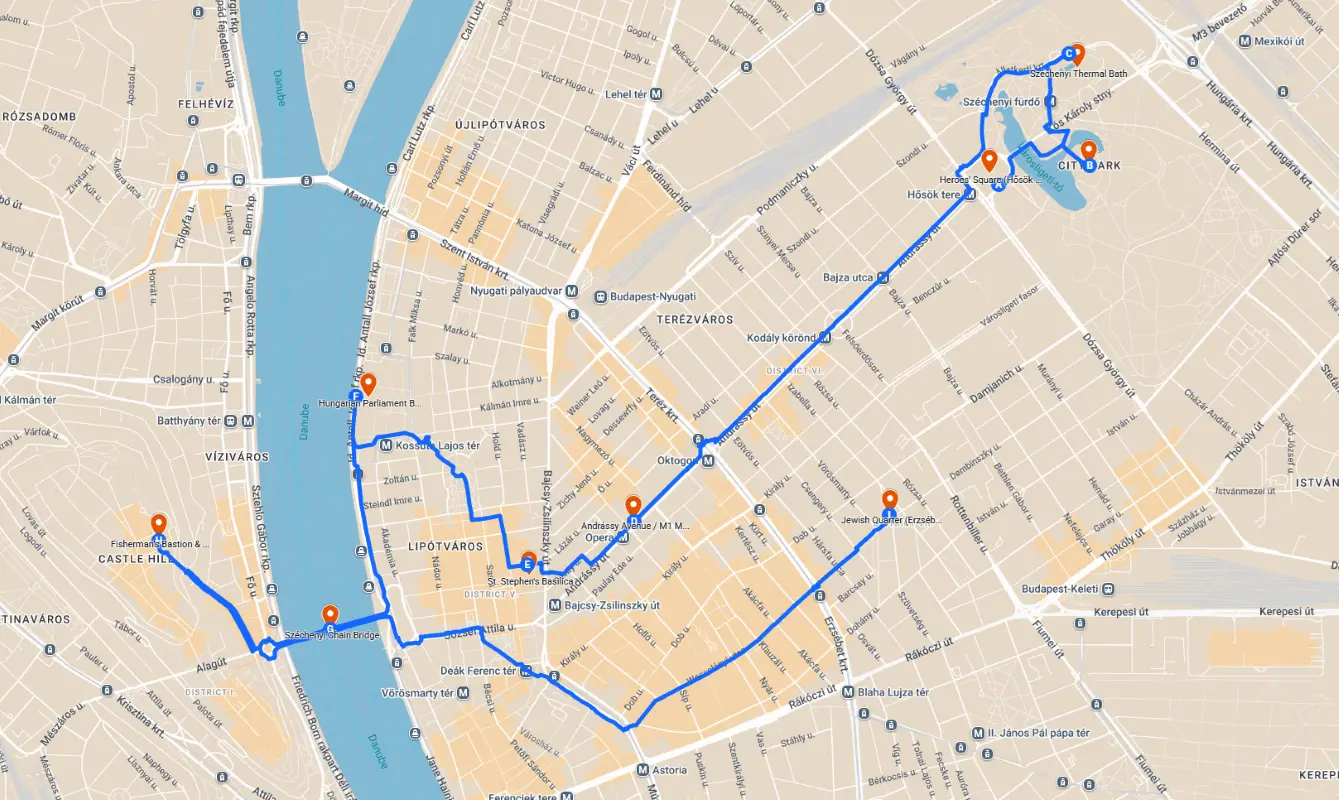
If you want to experience Budapest’s biggest highlights in just one day, this route is the one I’d recommend.
I created this route in my Budapest Travel Guide to connect the city’s essentials — from Heroes’ Square, City Park, and Széchenyi Thermal Bath to St. Stephen’s Basilica, the Parliament, Fisherman’s Bastion, Castle District views, and the Jewish Quarter. It’s paced so you don’t just rush from sight to sight: the morning includes a classic Budapest thermal bath experience, followed by time for coffee or lunch, river views, and dinner in one of the city’s most atmospheric neighborhoods. If I only had one day in Budapest, this is exactly how I’d explore it.
1. Margaret Bridge & Margaret Island Entrance
Begin at Margaret Bridge, where you can walk directly onto Margaret Island for a calm, green start along the Danube. This is the easiest way to add the island to your route while keeping a natural flow toward the Parliament and central riverfront.
⏰ 20–30 min 🚶 Start at Margaret Bridge / island entrance
2. Margaret Bridge Viewpoint
Before heading south, pause on Margaret Bridge for wide views of the Danube, the Buda hills, and the Pest-side skyline. It’s a beautiful orientation point before the route turns toward Budapest’s grand riverfront landmarks.
⏰ 10–15 min 🚶 2–3 min from the island entrance
3. Hungarian Parliament Building & Kossuth Lajos Square
Walk south along the Pest side toward one of the top Budapest attractions: the magnificent Hungarian Parliament Building. Take your time around Kossuth Lajos Square, where the scale of the building and the open riverfront setting make this one of the city’s most powerful stops.
⏰ 35–50 min 🚶 15–20 min from Margaret Bridge
4. Shoes on the Danube Bank
Continue along the river to the Shoes on the Danube Bank memorial. This quiet, reflective stop adds historical depth to the route and is best experienced with a little extra time and respect.
⏰ 15–20 min 🚶 5–7 min from the Parliament
5. Széchenyi Chain Bridge
Follow the Danube south and cross the iconic Széchenyi Chain Bridge toward Buda. The crossing gives you classic views back toward Pest, the Parliament, and the river before the route climbs toward Castle Hill.
⏰ 25–35 min 🚶 10–15 min from the memorial
6. Castle Garden Bazaar (Várkert Bazár)
After crossing to Buda, continue toward the elegant Castle Garden Bazaar at the foot of Castle Hill. Its terraces, gardens, and historic architecture create a graceful transition from the riverbank up toward the Buda Castle area.
⏰ 25–35 min 🚶 8–12 min from Chain Bridge
7. Buda Castle Courtyards & Savoy Terrace
Head up to the Buda Castle courtyards for one of the most scenic parts of this route. Around Savoy Terrace, you’ll find beautiful views over the Danube, Pest, and the bridges below — a perfect pause before continuing through the Castle District.
⏰ 35–50 min 🚶 10–15 min uphill from Várkert Bazár
8. Matthias Church & Fisherman’s Bastion
Continue through the Castle District to Matthias Church and Fisherman’s Bastion. This is the most panoramic stop of the route, with fairytale-style towers, historic atmosphere, and unforgettable views across the Danube toward the Parliament.
⏰ 60–75 min 🚶 10–15 min from Buda Castle
9. Batthyány tér — Parliament View Across the Danube
Finish by walking down to Batthyány tér, one of the best places to view the Hungarian Parliament Building from across the river. It gives the route a memorable final view after exploring both sides of Budapest along the Danube.
⏰ 20–30 min 🚶 12–18 min downhill from Fisherman’s Bastion
Danube, Parliament & Castle Hill Route – Summary
⏱️ Total time: ~5–6.5 hours (with breaks)🚶♂️ Distance: ~6–7 km, including one uphill climb to Castle Hill
🌉 Stops: 9 scenic highlights along the Danube, including Margaret Island, the Parliament, Chain Bridge, Buda Castle & Fisherman’s Bastion
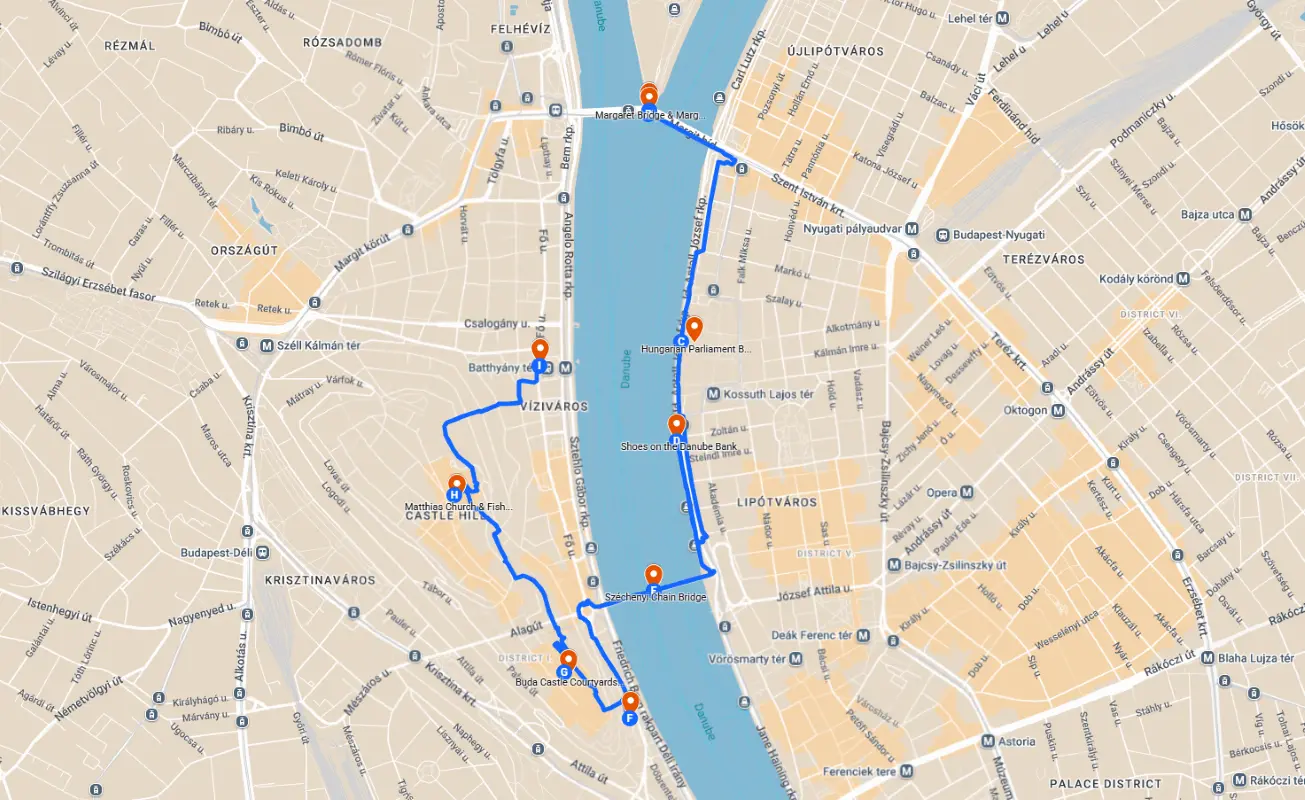
The Danube, Parliament & Castle Hill Route maps out one of Budapest’s most scenic walks, connecting river views, historic landmarks, and unforgettable panoramas across both sides of the city.
It brings together some of Budapest’s most iconic riverside and hilltop moments — from Margaret Island and the Hungarian Parliament Building to the Chain Bridge, Buda Castle, and Fisherman’s Bastion. In this Budapest Travel Guide, I selected these 9 stops to create a route that feels atmospheric, well-paced, and deeply connected to the city’s Danube-side identity.
1. Rudas Thermal Bath
Begin on the Buda side with one of Budapest’s most atmospheric thermal baths. Rudas Thermal Bath gives this route a classic local start — historic bathing culture, warm mineral pools, and a slower rhythm before crossing into Pest.
Note: Rudas is open daily, but bath areas and co-ed hours vary by day, so check the current schedule before visiting.
⏰ 60–90 min 🚶 Start at Rudas Thermal Bath
2. Gellért Hill Foot & Liberty Bridge Views
Walk along the Buda riverfront toward Liberty Bridge, with views of Gellért Hill, the Danube, and the Pest side ahead. This short scenic stretch connects the bath experience with the market-and-food side of the route.
⏰ 15–20 min 🚶 8–12 min from Rudas Bath
3. Liberty Bridge Crossing
Cross the elegant green Liberty Bridge from Buda to Pest. It’s one of the most photogenic transitions in Budapest, leading directly toward the Great Market Hall and the city’s local food scene.
⏰ 15–20 min 🚶 3–5 min from the viewpoint area
4. Great Market Hall
Step inside Budapest’s most famous covered market for paprika, local produce, souvenirs, pastries, and casual food stalls. It’s a lively stop for tasting, browsing, and getting a feel for everyday Hungarian flavors.
Note: The market usually closes at 18:00 on weekdays and 16:00 on weekends, so try to visit before late afternoon.
Optional: If you want a short riverside detour, Bálna Budapest is nearby — a modern glass-fronted cultural and dining space along the Danube.
⏰ 35–50 min 🚶 3–5 min from Liberty Bridge
5. Kálvin tér & Ráday Street — Lunch or Café Stop
Continue toward Kálvin tér and Ráday Street, a relaxed area known for restaurants, cafés, and terrace dining. It’s a natural place to pause for lunch, coffee, or a lighter local bite before heading toward the cultural center.
⏰ 45–60 min 🚶 5–8 min from Great Market Hall
6. Hungarian National Museum Garden
Take a quiet break in the garden of the Hungarian National Museum. You don’t need a full museum visit for this route — the garden and grand exterior add a calm cultural pause between the market area and the Jewish Quarter.
⏰ 15–25 min 🚶 5–7 min from Kálvin tér
7. Dohány Street Synagogue & Jewish Quarter Entrance
Enter the historic Jewish Quarter at one of its most important landmarks, the Dohány Street Synagogue. This area blends heritage, courtyards, cafés, street art, and evening energy in a way that feels distinctly Budapest.
Note: If you want to go inside, check the current opening hours first — Fridays are shorter, and the complex is closed every Saturday.
⏰ 25–40 min 🚶 10–12 min from the museum garden
8. Gozsdu Courtyard
Walk into Gozsdu Courtyard, a lively passage filled with restaurants, cafés, courtyards, and small shops. It’s a good transition from daytime exploring to Budapest’s evening atmosphere, especially if you want dinner or a casual final stop.
⏰ 30–45 min 🚶 5–7 min from Dohány Street Synagogue
9. Szimpla Kert — Ruin Bar Atmosphere
End the route at Szimpla Kert, Budapest’s most famous ruin bar and a symbol of the Jewish Quarter’s creative nightlife. Come for the layered interiors, street-art feel, and unusual courtyard atmosphere — even if you only stop briefly to look around.
⏰ 45–90 min 🚶 5–7 min from Gozsdu Courtyard
Local Budapest: Baths, Markets & Ruin Bars – Summary
⏱️ Total time: ~5–7 hours (including bath, food & evening stops)🚶♂️ Distance: ~4.5–5.5 km, mostly easy walking with one bridge crossing
🍽️ Stops: 9 local highlights: thermal bath, Liberty Bridge, market hall, lunch street, museum garden, Jewish Quarter, courtyards & ruin bar atmosphere
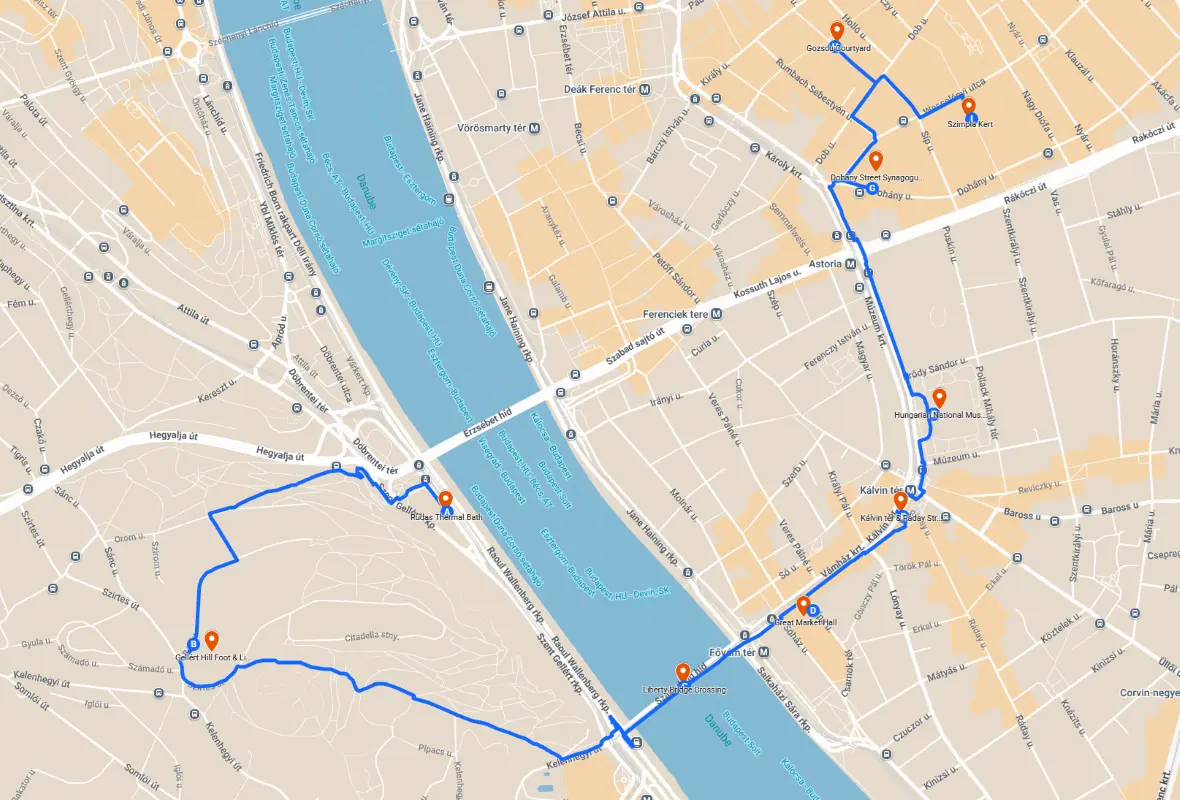
This route is about experiencing Budapest like a local — through thermal baths, market culture, riverside walks, neighborhood cafés, and the creative energy of the Jewish Quarter.
I picked places that show a more everyday side of the city: a historic thermal bath on the Buda side, the colorful Great Market Hall, a relaxed lunch stop around Ráday Street, and a quiet cultural pause at the Hungarian National Museum Garden. The route then continues into the Jewish Quarter, where courtyards, street art, restaurants, and ruin-bar atmosphere give Budapest its unmistakable evening character. It flows naturally from Buda to Pest, so you can soak, taste, wander, and explore without unnecessary backtracking.
Best Photo Spots in Budapest
Looking for the best photo spots in Budapest? Here are Instagrammable places with Danube views, Castle Hill panoramas, grand architecture, and easy-to-reach corners that capture Budapest at its most photogenic.
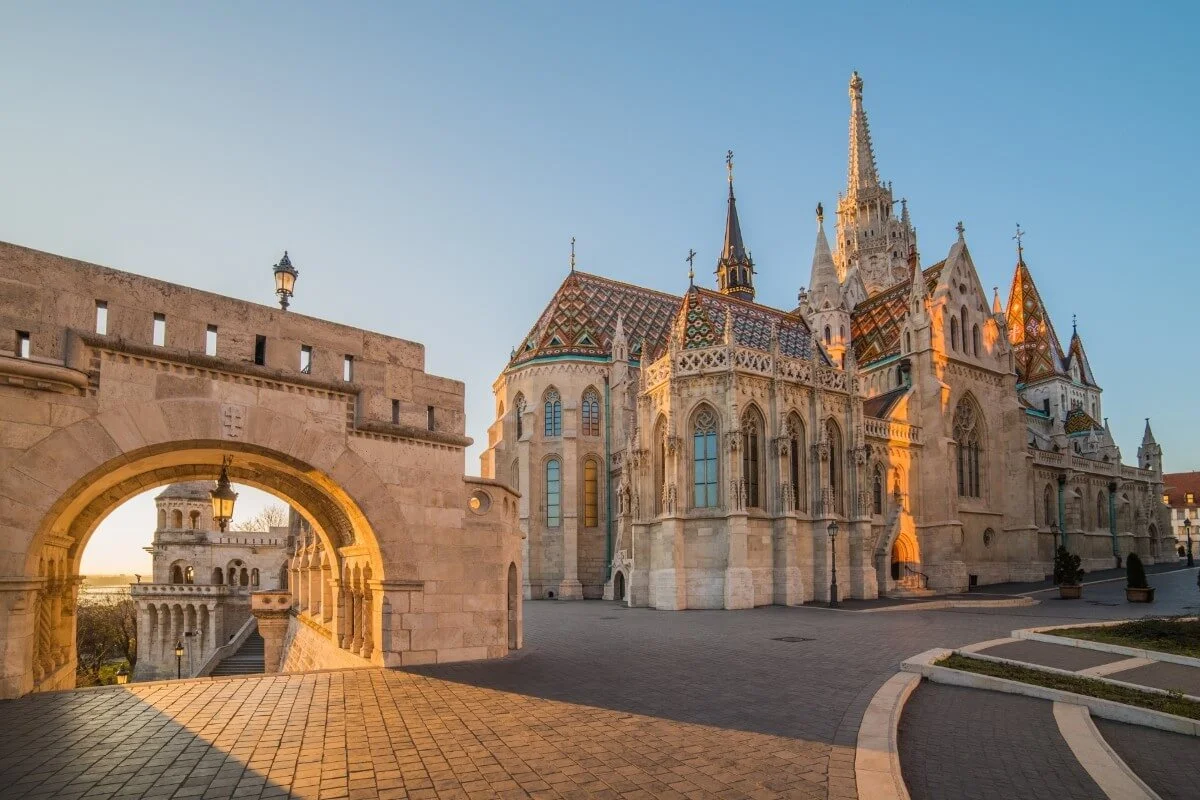
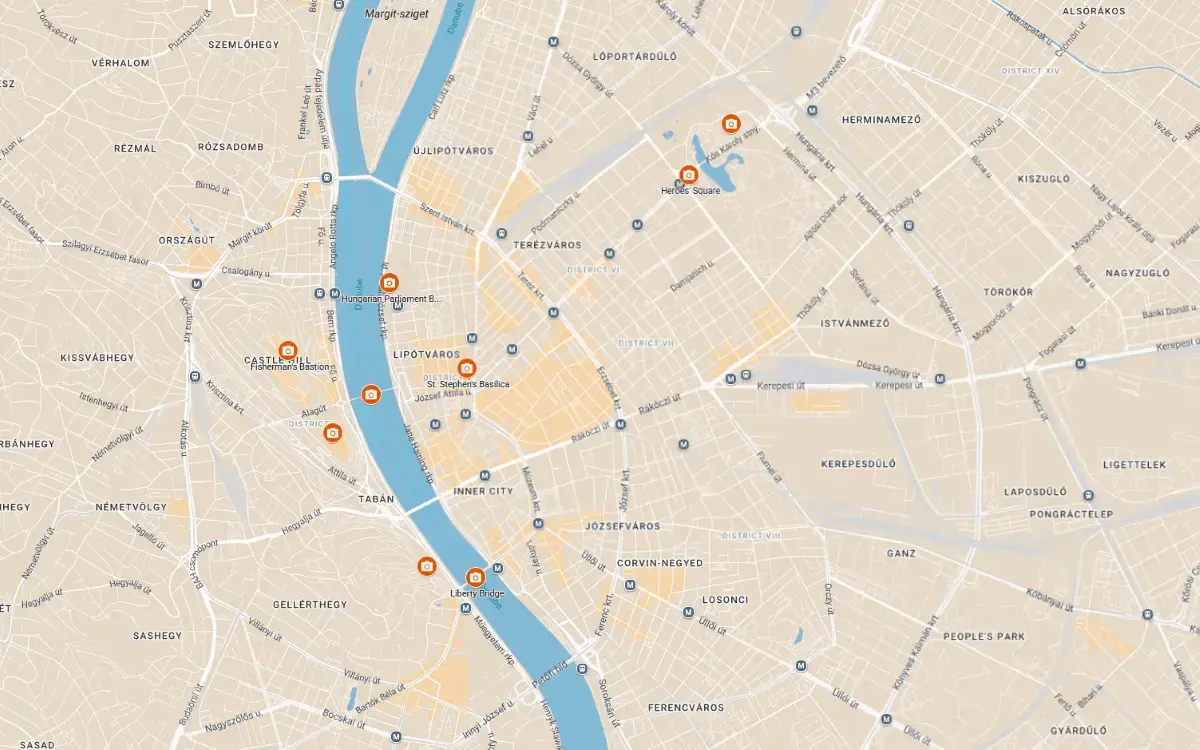
Fisherman’s Bastion – Castle Hill Views
Fairytale towers, white stone arches, and sweeping Danube views make this one of the most photogenic places in Budapest.
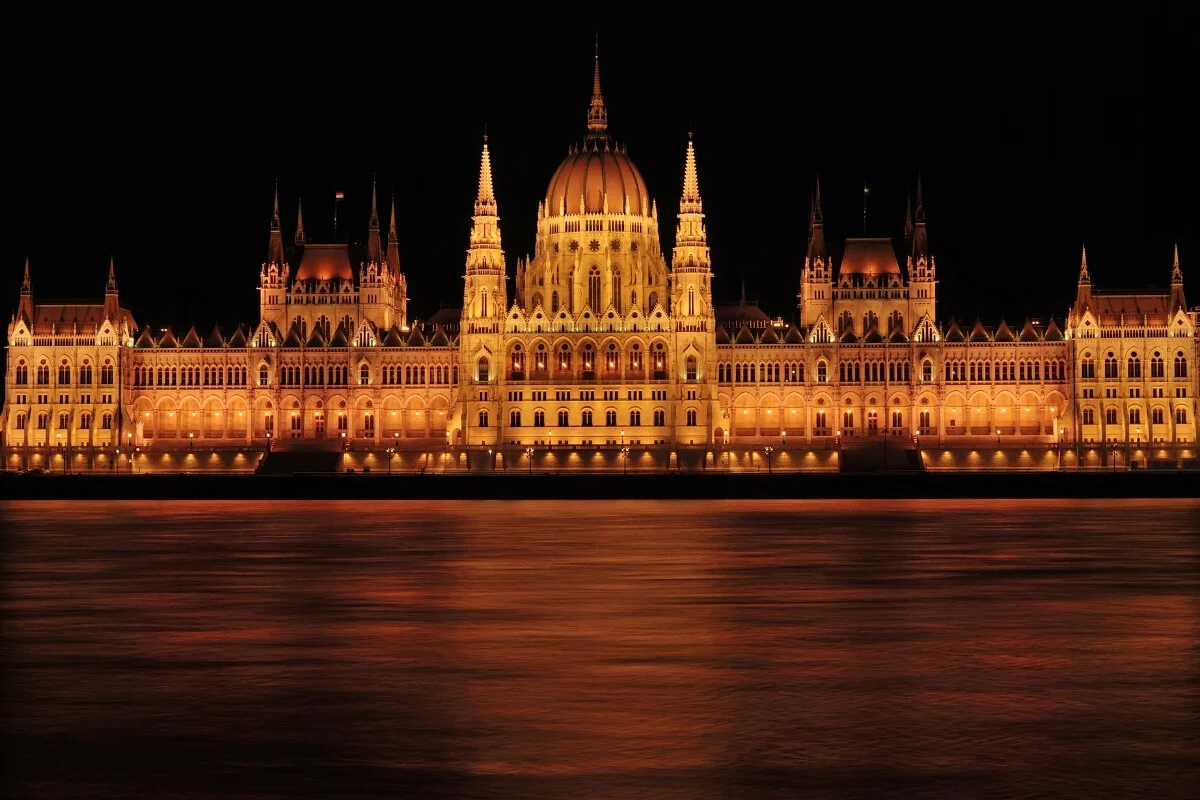
Hungarian Parliament Building – Danube Icon
Budapest’s most iconic riverside landmark, especially beautiful from the Danube bank, across the river, or after sunset.
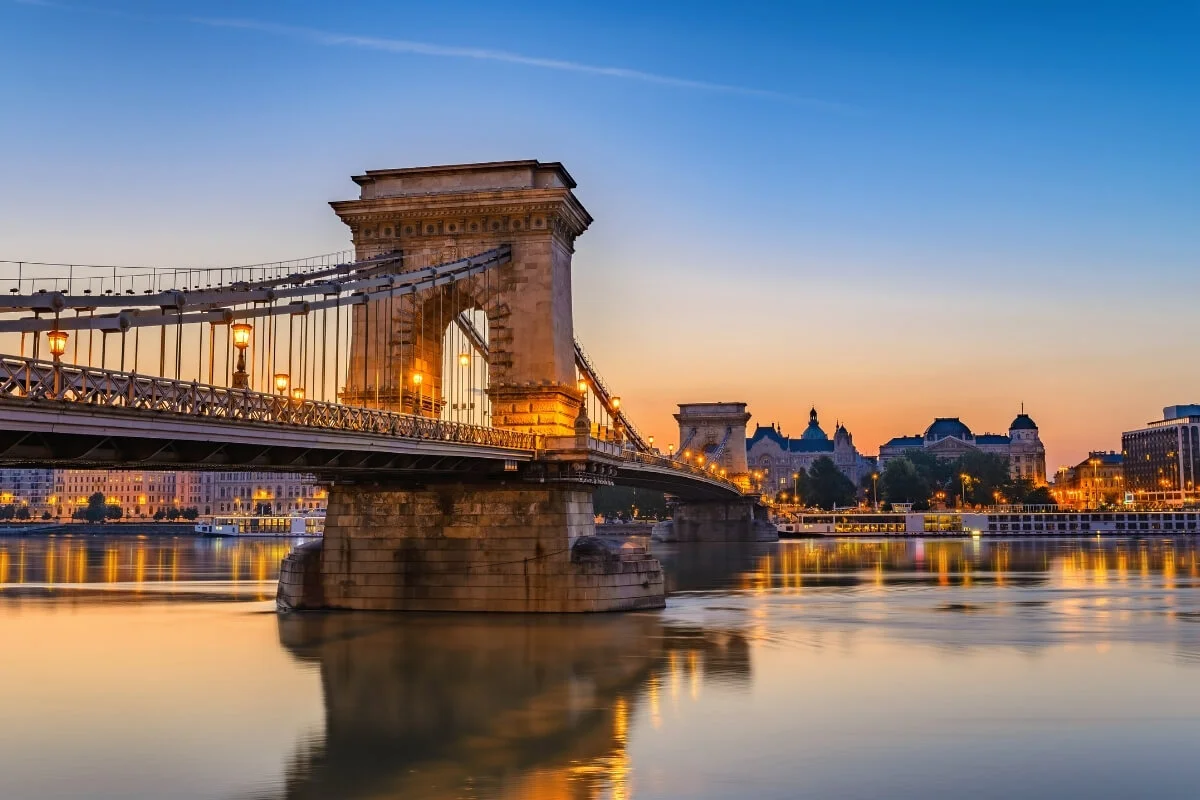
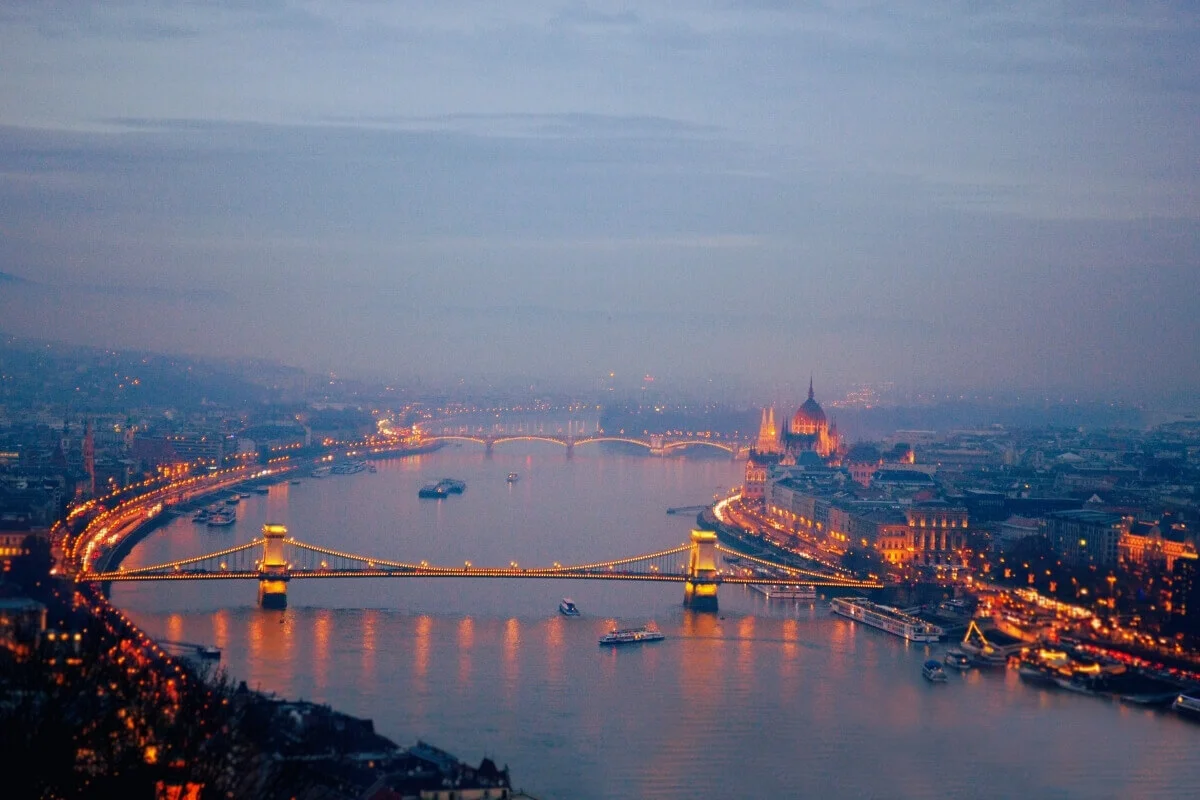
Széchenyi Chain Bridge – River Crossing
A classic Budapest photo spot with dramatic bridge details, Danube views, and beautiful angles toward Buda Castle and Pest.
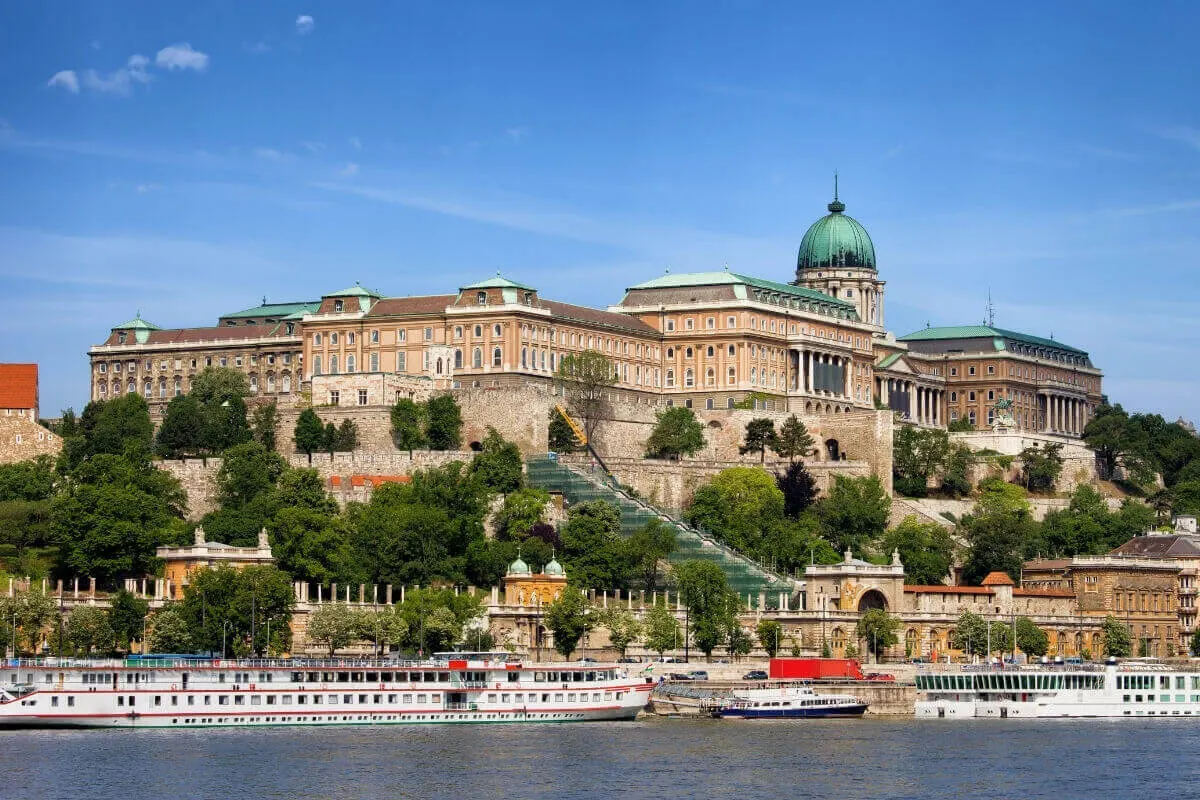
Buda Castle – Hilltop Panorama
Grand courtyards, hilltop terraces, and wide views over the Danube give Buda Castle some of Budapest’s most memorable photo angles.
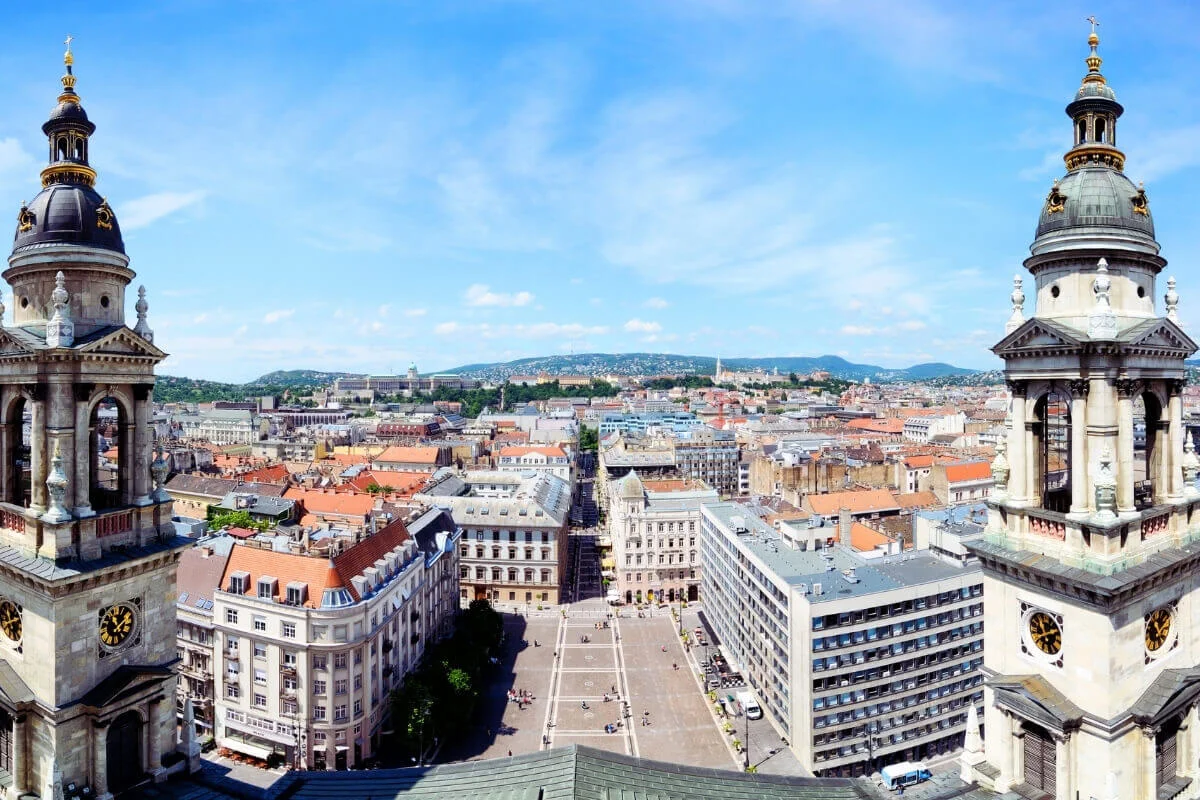
St. Stephen’s Basilica – Grand Architecture
Elegant façades, a lively square, and rooftop views make this central landmark one of Budapest’s best photo stops.
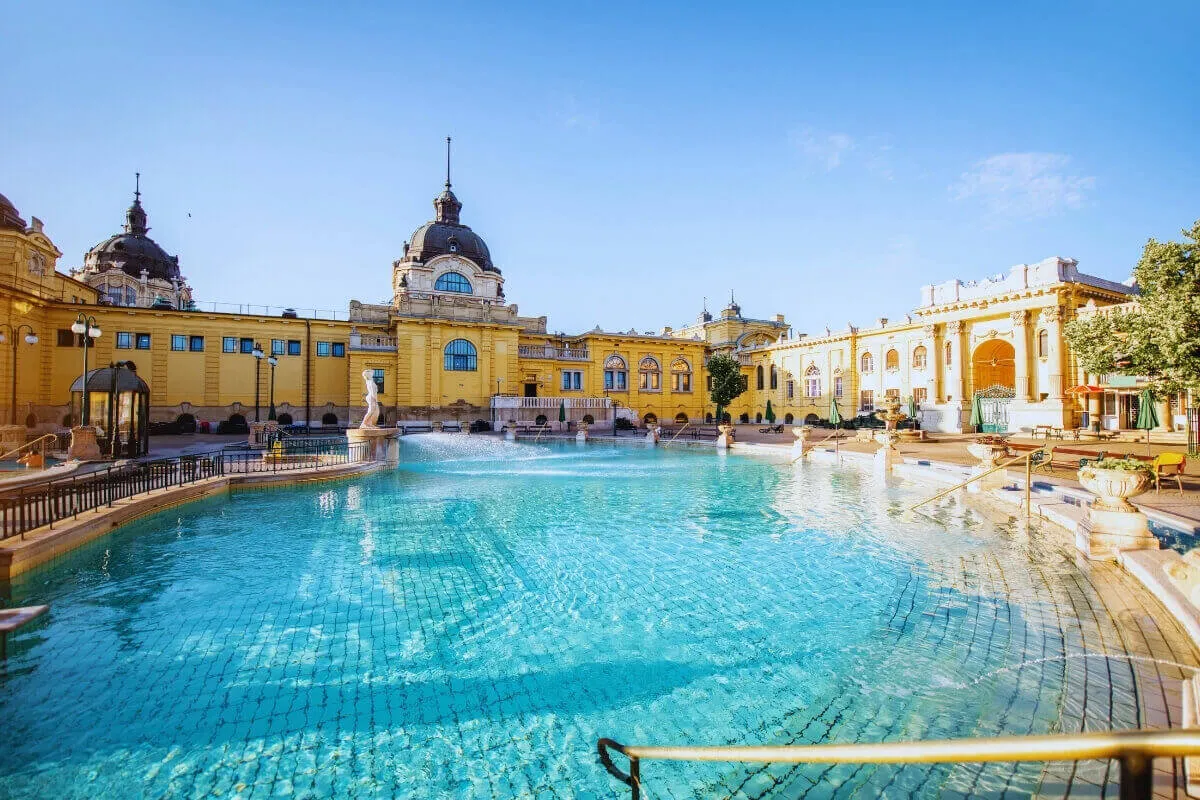
Széchenyi Thermal Bath – Neo-Baroque Bathhouse
Warm outdoor pools, yellow Neo-Baroque architecture, and steam rising in the air create one of Budapest’s most distinctive photo scenes.
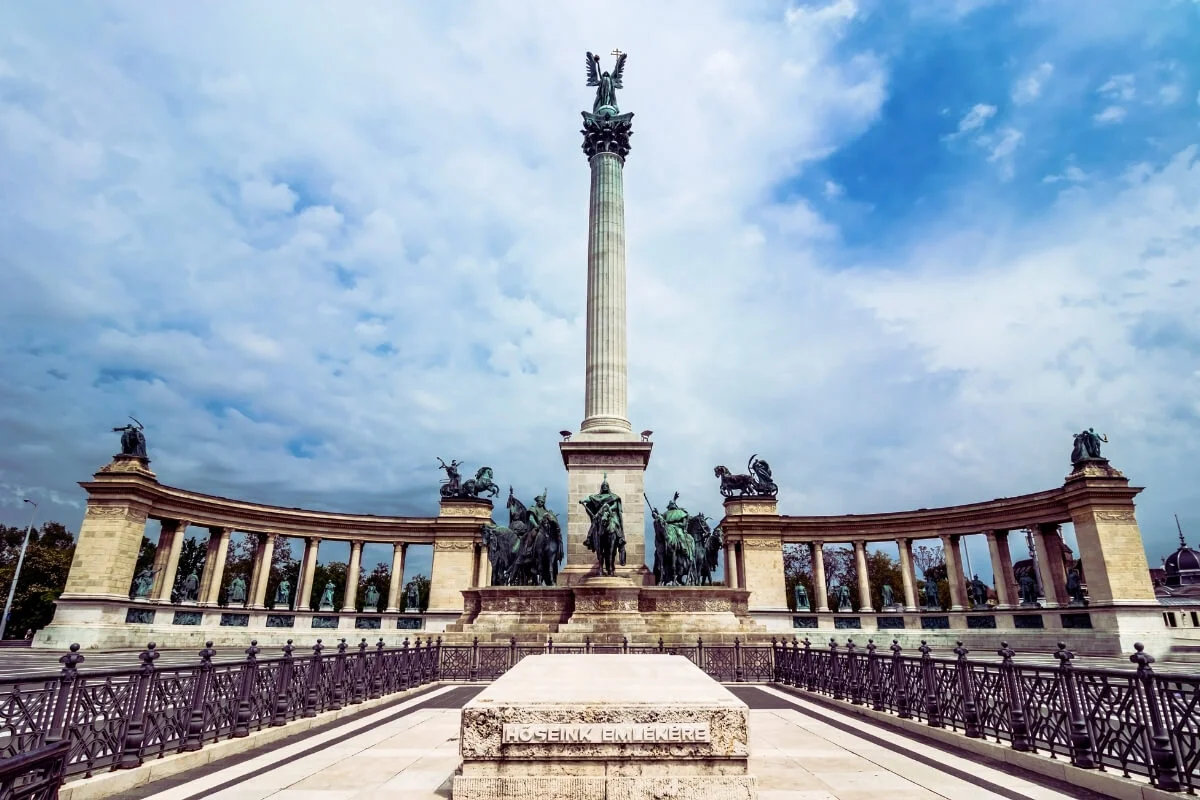
Heroes’ Square – Monumental City Scene
A wide-open square framed by statues, colonnades, and grand symmetry — perfect for classic Budapest landmark photos.
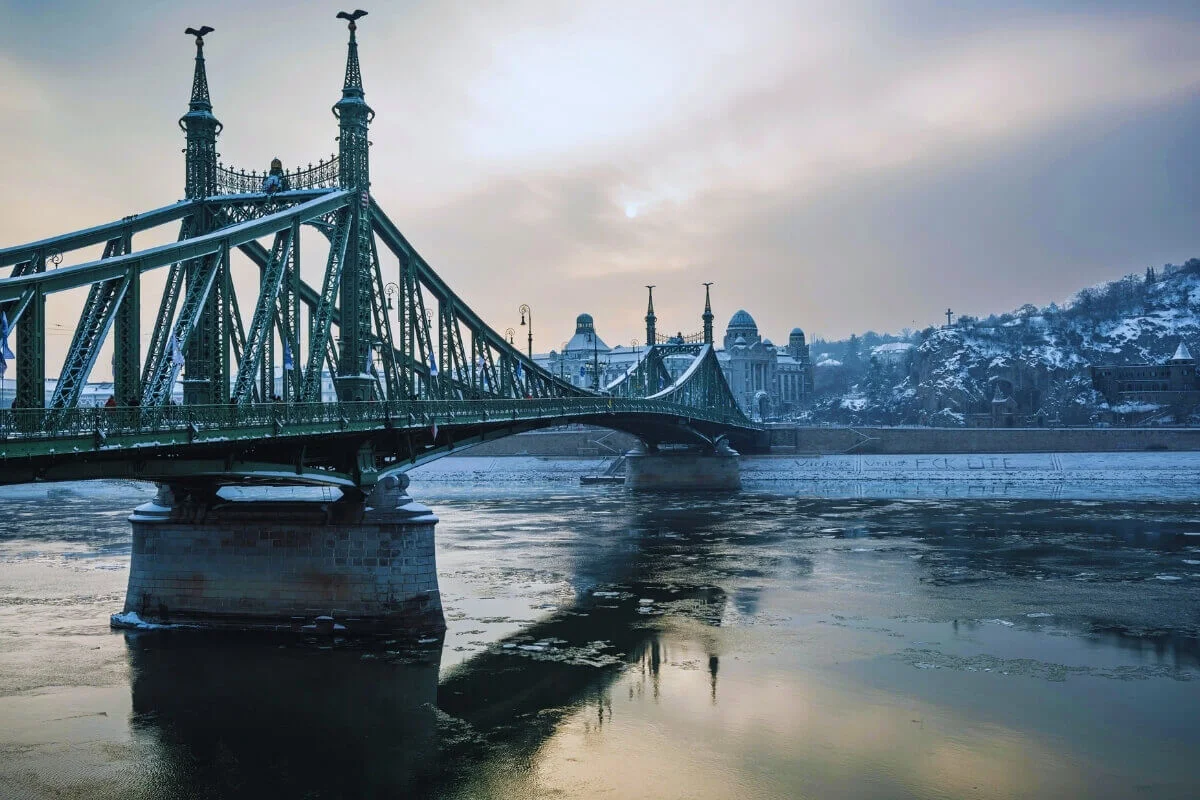
Liberty Bridge – Green Danube Landmark
This elegant green bridge offers striking lines, river views, and beautiful photo angles toward Gellért Hill and the Pest side.
Gellért Hill Viewpoint – City Panorama
One of the best places for wide Budapest panoramas, with the Danube, bridges, rooftops, and both sides of the city in view.
Budapest Art, Culture & Events Scene
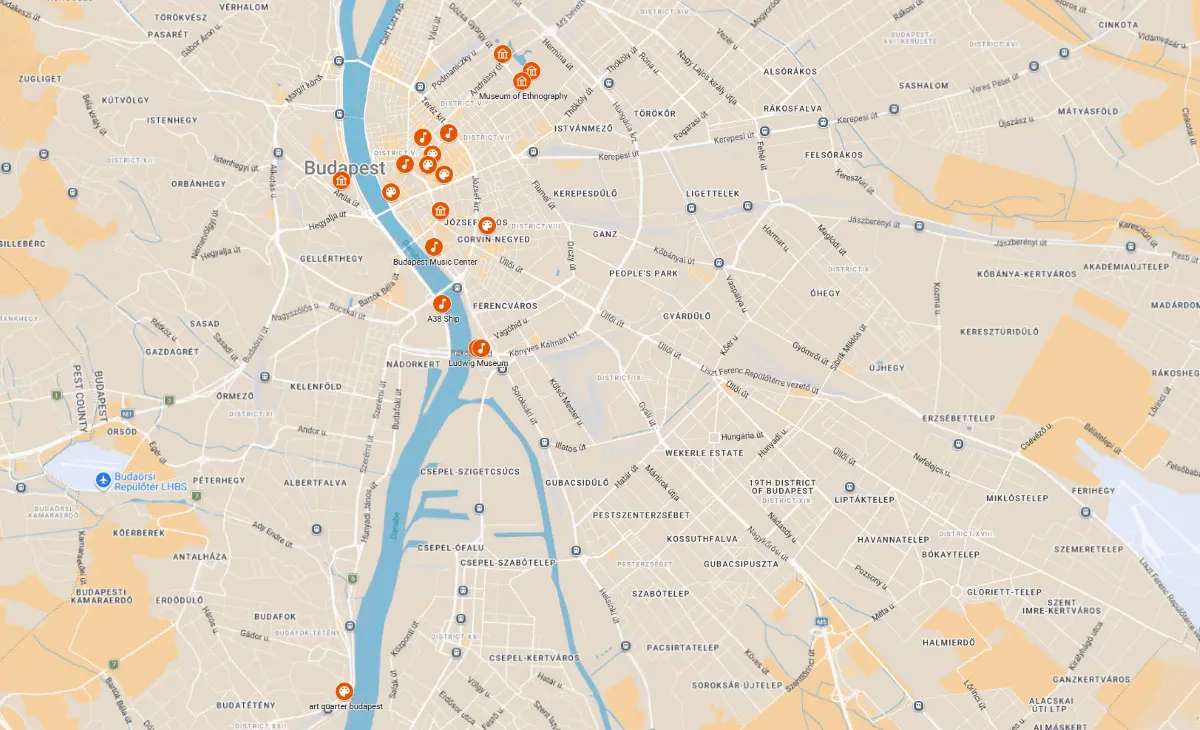
A quick guide to Budapest art and culture – grand museums, contemporary galleries, historic venues, ruin-bar culture, live music, and year-round festivals that give the city its creative energy. Explore the highlights below and open our cultural map when you’re ready.
Must-See Museums, Galleries & Cultural Venues
Hungarian National Gallery
Budapest’s essential stop for Hungarian fine art - major collections inside the Buda Castle complex, with paintings, sculptures, and national art history in a grand hilltop setting. Ticket required; check current exhibitions and visitor details online.
Museum of Fine Arts
A landmark museum beside Heroes’ Square - Old Masters, classical antiquities, European collections, and elegant historic halls in one of Budapest’s most important art institutions. Ticket required; admission may vary by exhibition.
Hungarian National Museum
A key place to understand Hungary’s history and cultural identity - archaeology, national heritage, and historic exhibitions inside a grand neoclassical building. Ticket required; guided tours and visitor details are available online.
House of Music Hungary
A modern City Park cultural venue for immersive music exhibitions, concerts, workshops, and sound-focused experiences. Tickets vary by exhibition or event; booking ahead is recommended for popular programs.
Museum of Ethnography
A striking contemporary museum in City Park exploring folk traditions, everyday culture, design, and global ethnographic collections. Ticket required; check current exhibitions and opening hours before visiting.
Ludwig Museum - Museum of Contemporary Art
Budapest’s major contemporary art museum, set within the Danube-side Müpa cultural complex - Hungarian and international modern art, temporary exhibitions, and a strong contemporary culture focus. Ticket required; check current exhibitions before visiting.
Budapest Street Art, Ruin Bars & Alternative Spaces
From colorful murals in the Jewish Quarter to ruin bar culture, creative courtyards, and independent cultural spaces, Budapest’s Street Art, Ruin Bars & Alternative Spaces scene reveals a more expressive, local side of the city.
Jewish Quarter Street Art & Murals
Budapest’s most atmospheric area for street art - colorful murals, creative walls, courtyard details, and alternative energy in and around the historic Jewish Quarter. Expect photo-friendly corners, layered urban stories, and an easy walking route through one of the city’s most expressive neighborhoods. Free to explore; respect private property and existing artworks.
Színes Város Murals
A citywide mural project that has helped turn Budapest’s blank walls into large-scale public artworks. Look for bold colors, local stories, and creative details across different districts - a great way to see Budapest beyond its classic landmarks. Free to view outdoors; mural locations vary across the city.
Szimpla Kert
Budapest’s most famous ruin-bar space and a visual icon of the city’s alternative scene - layered interiors, courtyard details, mismatched design, street-art textures, and creative energy in the Jewish Quarter. Come for the atmosphere and unusual setting; some events or areas may have age restrictions.
Gozsdu Courtyard
A lively passage in the heart of the Jewish Quarter - courtyards, restaurants, cafés, small shops, and evening atmosphere in one easy-to-reach area. It’s a useful stop for travelers who want an easy introduction to Budapest’s alternative and social scene.
Art Quarter Budapest
An independent contemporary art space with exhibitions, artist studios, creative companies, events, and residency programs. It gives Budapest’s alternative culture scene a more local, experimental side - ideal for visitors interested in contemporary art beyond the main museums.
Turbina Cultural Center
A contemporary arts and community space in Budapest’s eighth district - concerts, exhibitions, theatre, workshops, craft fairs, and creative programs in a local cultural setting. Check the current program before visiting, as events and entry details vary by date.
Budapest Annual Festivals & Cultural Events
Budapest’s Annual Festivals & Cultural Events bring the city to life year-round, with island music festivals, spring performances, contemporary art fairs, late-night museum programs, and festive winter markets that draw visitors from around the world.
Sziget Festival
Budapest’s biggest international music and arts festival - a multi-day island event with global performers, theatre, circus, visual arts, and a high-energy summer atmosphere on Óbuda Island. Expect big stages, creative installations, and one of Europe’s best-known festival experiences.
🎸 August
Budapest Spring Festival
A major citywide cultural festival with concerts, theatre, dance, exhibitions, literature, workshops, and outdoor programs across Budapest. Expect a wide mix of classic venues, neighborhood events, and creative performances that celebrate the city’s spring cultural season.
🌸 April - May
Liszt Fest International Cultural Festival
An autumn cultural festival inspired by Ferenc Liszt, with classical and contemporary music, jazz, dance, theatre, literature, and visual arts in major Budapest venues. Expect elegant performances, cross-genre productions, and a strong music-focused cultural program.
🎼 October
Art Market Budapest
Budapest’s leading international contemporary art fair, bringing together galleries, artists, collectors, and art lovers from Central Europe and beyond. Expect contemporary painting, photography, sculpture, installations, and a strong regional creative focus.
🖼️ October
Night of Museums / Múzeumok Éjszakája
A special evening when museums and cultural institutions across Budapest open late with guided tours, concerts, family programs, exhibitions, and one-night-only experiences. A great option if you want to see the city’s museums in a more atmospheric way.
🌙 June
Budapest Christmas Markets - Advent Basilica & Vörösmarty Square
Budapest’s festive winter tradition, centered around St. Stephen’s Basilica and Vörösmarty Square. Expect wooden stalls, local crafts, seasonal food, lights, music, and a warm holiday atmosphere in the heart of the city.
🎄 Mid-November - Early January
Budapest Live Music, Theatre & Nightlife
Budapest nightlife extends beyond ruin bars and modern clubs, with opera performances, concerts in historic halls, intimate jazz venues, and live shows along the Danube.
Hungarian State Opera House
Budapest’s landmark opera house on Andrássy Avenue - a grand setting for opera, ballet, concerts, and guided tours by day. Expect elegant interiors, historic architecture, and one of the city’s classic evening culture experiences. Tickets required for performances; check the current program in advance.
Müpa Budapest
One of Budapest’s major modern cultural venues - classical concerts, jazz, opera, dance, theatre, and contemporary performances in a Danube-side arts complex. Expect strong acoustics, polished productions, and a varied evening program. Tickets required; schedules vary by event.
Liszt Academy Concert Centre
A historic concert venue and one of Budapest’s most important classical music settings - known for its beautiful Art Nouveau building, elegant halls, and strong concert calendar. Expect chamber music, orchestral programs, recitals, and special performances. Tickets required.
Budapest Music Center
A central music venue for jazz, contemporary music, classical projects, and intimate concerts. Home to Opus Jazz Club and a respected concert hall, it’s a strong choice for travelers who want a more focused live-music experience. Tickets or reservations may be required depending on the event.
A38 Ship
A floating concert venue and cultural space on a moored ship on the Danube - live bands, electronic nights, international acts, exhibitions, terraces, and a distinctive shipboard setting. Expect a more alternative evening scene with strong local and touring lineups. Entry varies by event; check the program before visiting.
Akvárium Klub
A central Budapest venue for concerts, DJ nights, cultural events, and large-scale evening programs near Erzsébet Square. Expect a modern downtown setting, varied lineups, and a lively city-center atmosphere. Entry, age rules, and schedules vary by event; check the program in advance.
Explore Budapest’s art, culture, festival, and nightlife highlights on one map with the Budapest Travel Guide. Save it and use it while planning your trip.
Famous Quotes About Budapest
Budapest has long captivated visitors with its grand architecture, Danube views, and vibrant cultural life. From royal admiration to Hollywood reflections, these quotes capture the city’s enduring beauty.
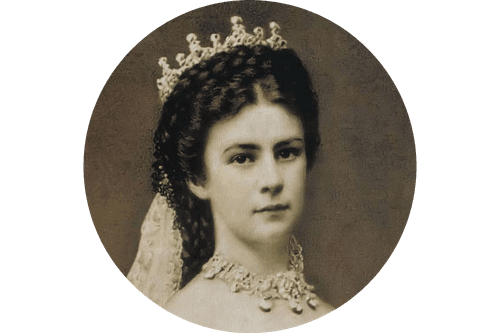
Queen Elisabeth of Austria / Sisi
“I am surprised that people travel so far to go on holiday when these hills and this view hold up to the most beautiful parts of the world.”
(Queen Elisabeth of Austria / Sisi, after visiting János Hill in Budapest, 1882)

Anthony Hopkins
“Budapest is the most beautiful place that I’ve ever been in my life.”
(Reflecting on filming The Rite in Budapest, 2011)

Jennifer Lawrence
“The people are so lovely, the culture and the city are so beautiful.”
(Promoting Red Sparrow, 2018)
Budapest Travel Guide: Frequently Asked Questions
Is Budapest walkable?
Yes - Budapest is a very walkable city, especially in the central areas. Many of the main sights on the Pest side, including St. Stephen’s Basilica, the Hungarian Parliament Building, and the Danube promenade, are easy to explore on foot. Across the river, Castle Hill and the Buda side are hillier, so expect some steeper streets and steps around Buda Castle and Fisherman’s Bastion. For longer distances, Budapest’s trams, metro, and buses make it easy to combine walking with public transport and explore more of the city without needing a car.
How do I get around Budapest?
Budapest public transport is extensive and easy to use, with metro lines, trams, buses, and trolleybuses serving both sides of the Danube and nearly every area visitors are likely to explore. The metro is useful for covering longer distances quickly, while trams let you travel above ground and see more of the city along the way.
If you plan to use public transport regularly, consider a Budapest travelcard. BKK offers 24-hour and 72-hour travelcards, while single and time-based tickets are also available through the BudapestGO app. Keep in mind that these travelcards are not valid on the 100E Airport Express, which requires a separate fare.
Licensed taxis and taxi apps such as Bolt are also available, but most travelers can explore central Budapest by combining walking with public transport. Many major sights in the city center are close enough to reach on foot.
For a scenic ride, take Tram 2 along the Pest side of the Danube for views of the river, the Hungarian Parliament Building, and the Buda skyline across the water.
When is the best time to visit Budapest?
The best time to visit Budapest is usually spring or early autumn, when temperatures are comfortable for sightseeing and the city feels lively without the intense summer heat and peak-season crowds.
- Spring (April-May): Mild temperatures, blooming parks, and longer days make this one of the best times for walking along the Danube, exploring Castle Hill, and enjoying outdoor cafés.
- Summer (June-August): Long days, festivals, and busy outdoor terraces create a lively atmosphere, but temperatures can get quite hot and popular attractions are at their busiest.
- Autumn (September-October): Pleasant temperatures, fewer crowds, and changing colors around the Buda Hills make early autumn another excellent time to visit.
- Winter (November-February): Colder days are balanced by Budapest Christmas markets, festive lights, historic cafés, and the city’s famous thermal baths, which are especially enjoyable in cold weather.
How many days in Budapest are ideal for a first visit?
For a first visit, 3 days in Budapest is a great starting point. That gives you enough time to see the main highlights, including the Hungarian Parliament Building, Castle Hill, Fisherman’s Bastion, St. Stephen’s Basilica, and the Danube waterfront, while still leaving room for a thermal bath, a café break, or an evening in the Jewish Quarter.
With 4-5 days, you can explore at a slower pace, spend more time discovering Budapest’s neighborhoods, visit museums and markets, and enjoy the city without rushing. A longer stay also makes it easier to add a day trip to places such as Szentendre or Gödöllő.
What are the must-see attractions in Budapest?
The must-see attractions in Budapest include the striking Hungarian Parliament Building, the historic Buda Castle, and the panoramic views from Fisherman’s Bastion overlooking the Danube. Cross the Széchenyi Chain Bridge between Buda and Pest, visit St. Stephen’s Basilica, and spend some time at Heroes’ Square and nearby City Park. For a classic Budapest experience, relax at Széchenyi Thermal Bath, explore the Great Market Hall, and finish the day with an evening walk along the Danube as the city lights come on.
Is Budapest safe for tourists?
Budapest is generally a safe city for tourists, particularly in the central areas where most visitors spend their time. Serious incidents involving travelers are uncommon, but it is still wise to take the same precautions you would in any major European city. The main thing to watch out for is pickpocketing, especially on crowded public transport, around busy attractions, and in nightlife areas.
Keep valuables secure, use licensed taxis or trusted apps, and be cautious when exchanging money or responding to unsolicited offers in busy tourist areas. With basic awareness and common sense, most visitors can explore Budapest comfortably and confidently.
What are the best neighborhoods to stay in Budapest?
The best areas to stay in Budapest depend on the kind of trip you want. For first-time visitors, Belváros-Lipótváros (District V) is one of the most convenient choices, with the Danube, the Hungarian Parliament Building, St. Stephen’s Basilica, and many central sights within easy reach. If you prefer historic surroundings and quieter evenings, the Castle District (Várnegyed) offers beautiful streets and some of the city’s best views.
For nightlife, cafés, and a livelier atmosphere, the Jewish Quarter (Erzsébetváros) is a popular choice, while Terézváros works well for travelers who want to stay near Andrássy Avenue, the Opera House, and excellent public transport. Újlipótváros and the Palace District (Palotanegyed) are good options for a more local feel while still staying close to central Budapest. Thanks to the city’s extensive public transport network, you do not need to stay right in the heart of the city to get around easily.
What can I do in Budapest on a rainy day?
Budapest has plenty to do indoors when the rain sets in. Spend a few hours exploring the Hungarian National Gallery, the Museum of Fine Arts, or the Hungarian National Museum, or browse the stalls inside the Great Market Hall. Budapest’s historic cafés are also perfect for slowing down over coffee and cake while staying dry.
For something more relaxing, a rainy day is a great excuse to experience one of the city’s famous thermal baths. You can also step inside St. Stephen’s Basilica, visit one of Budapest’s concert halls, or simply enjoy the city’s café culture until the weather clears.
What are the best free things to do in Budapest?
There are plenty of free things to do in Budapest if you want to explore the city without spending much. Some of the best options include:
- Danube Promenade: Walk along the river for classic views of Buda Castle, the Chain Bridge, and the city skyline.
- Hungarian Parliament Building: Admire one of Budapest’s most famous landmarks from Kossuth Square and the Danube waterfront.
- Buda Castle District: Wander through the historic streets and courtyards around Castle Hill and enjoy panoramic views across Pest.
- Fisherman’s Bastion: Explore the lower terraces and enjoy some of the best views of the Hungarian Parliament Building across the Danube.
- Heroes’ Square and City Park: Visit the monumental square and continue into the surrounding park for a relaxed walk.
- Margaret Island: Escape the busy city center with riverside paths, gardens, and plenty of green space in the middle of the Danube.
What day trips can I take from Budapest?
Planning day trips from Budapest? The city makes a great base for exploring historic towns, royal palaces, and the scenic Danube Bend. One of the easiest options is Szentendre, a charming riverside town known for its colorful streets, galleries, cafés, and artistic atmosphere.
For history and dramatic views, head to Visegrád to explore its medieval citadel overlooking the Danube Bend, or visit Esztergom, home to Hungary’s largest basilica. Another popular choice is Gödöllő, where you can visit the grand Royal Palace, closely associated with Queen Elisabeth of Hungary, better known as Sisi.
If you prefer nature, the Danube Bend offers hiking, river views, and picturesque towns that can easily fill a full day away from Budapest.
Is Budapest expensive to visit?
Budapest is generally more affordable than many major Western European capitals, although how much you spend depends on where you stay, eat, and what you choose to do. Public transport is reasonably priced, and many of the city’s best experiences, including walking along the Danube, exploring Castle Hill, visiting Heroes’ Square, and relaxing on Margaret Island, can be enjoyed for free.
Dining options range from casual local restaurants and market food stalls to stylish cafés and fine dining, with prices generally higher in the busiest tourist areas. Accommodation in central neighborhoods also tends to cost more, especially during summer and major events. Popular experiences such as thermal baths and ticketed attractions can add to your daily budget, but Budapest still offers plenty of ways to enjoy the city without overspending.
Is Budapest good for families with kids?
Budapest is a great city for families with kids, with a mix of parks, interactive attractions, river views, and easy-to-use public transport. Families can spend time at the Budapest Zoo & Botanical Garden, explore City Park, or head to Margaret Island for open spaces, playgrounds, and a break from the busy city center.
For something more playful, ride the Children’s Railway through the Buda Hills, visit a hands-on science center, or take a boat ride on the Danube. Older kids may also enjoy exploring Buda Castle, riding the funicular, or simply taking in the views from Fisherman’s Bastion. With plenty of family-friendly restaurants and attractions, Budapest is an easy city to explore at a relaxed pace with children.
When do the Christmas markets in Budapest take place?
Christmas markets in Budapest usually begin in mid-November and continue through the holiday season, with some remaining open until New Year’s Day or early January. Two of the best-known markets are held in front of St. Stephen’s Basilica and on Vörösmarty Square, filling the city center with wooden stalls, festive lights, seasonal food, hot drinks, and handmade gifts.
Smaller Advent markets also appear across Budapest in November and December, but their dates vary each year. Check the current season’s schedule before planning your visit.
Why is Budapest known as the City of Spas?
Budapest is known as the “City of Spas” because of the natural thermal springs beneath the city, which have shaped local life for centuries. Bathing traditions here date back to Roman times and were later expanded during Ottoman rule. Today, historic bathhouses such as Széchenyi, Gellért, and Rudas combine thermal pools, striking architecture, and a social ritual that is still very much part of life in Budapest. Visiting a thermal bath is not just about relaxing - it is one of the most distinctive ways to experience the city.
What makes Budapest ruin bars so famous?
Budapest ruin bars became famous for transforming neglected buildings and courtyards in the historic Jewish Quarter into creative nightlife spaces filled with mismatched furniture, street art, unusual décor, and cultural events. Szimpla Kert, which opened in the early 2000s, became the best-known example and helped establish ruin bars as one of the city’s signature experiences.
Today, they are more than places to drink: they reflect Budapest’s alternative culture and the creative reuse of once-neglected urban spaces.
Budapest Travel Tips & Insights
How can I see Budapest’s main sights in a short time?
Combine walking and public transport to make the most of a short visit to Budapest. Explore St. Stephen’s Basilica, the Hungarian Parliament Building, and the Danube promenade on the Pest side, then head across the river for Buda Castle and Fisherman’s Bastion. Our Budapest walking routes help you plan your stops and choose an itinerary that fits your schedule. For a scenic break from walking, hop on Tram 2 along the Pest waterfront and enjoy views of the Danube and Buda Castle across the river.
Does public transport run all night in Budapest?
Yes – Budapest has public transport throughout the night. Tram 6 runs 24 hours a day along the Grand Boulevard, while night buses connect the city center with neighborhoods on both sides of the Danube. The metro does not run all night, so these services are useful for getting back after a late dinner or a night out. Frequencies vary by route, so check the BudapestGO app for departure times and connections before you travel.
Should I pay in forints or euros in Budapest?
Use Hungarian forints (HUF) for everyday payments in Budapest. Cards are widely accepted in shops and restaurants, but keeping a little cash is useful for small purchases. If a card terminal or ATM offers to convert the amount into your home currency, choose HUF and decline the conversion. Your card provider will then handle the exchange, although its own fees may still apply. To see how many forints one euro is worth, check the Hungarian National Bank’s official exchange rates. Use these as a reference, as banks and exchange offices may offer different rates.
Which hidden spots are worth seeking out in Budapest?
- Gül Baba’s Tomb and Rose Garden: An Ottoman monument tucked into the Buda hillside, with terraced gardens and views across the city.
- Ervin Szabó Library: The library’s central branch occupies Wenckheim Palace, where ornate reading rooms offer a glimpse of Budapest’s aristocratic past. Visitors can explore the historic interiors with a tourist ticket.
- Kiscelli Museum: A former Baroque monastery in Óbuda, now home to exhibitions on Budapest’s history and Hungarian art. Its wooded setting makes the visit feel removed from the busy city center.
Where can I try traditional Hungarian food in Budapest?
For classic Hungarian cooking, try Gettó Gulyás in the Jewish Quarter, where the menu includes goulash soup, chicken paprikash, and hearty stews. If you have room for dessert, try their túrógombóc, soft cottage cheese dumplings served with cinnamon sour cream. For a casual bite, head to Retro Lángos on Vécsey Street near Parliament and try lángos, Hungarian fried bread topped with sour cream and grated cheese.
Which Budapest markets are worth visiting?
- Great Market Hall: A classic stop for Hungarian paprika, salami, honey, and other local food gifts.
- Rákóczi Square Market Hall: Visit this neighborhood market for fresh fruit, vegetables, and everyday groceries, or simply browse the food stalls.
- Ecseri Flea Market: Head here for antiques, vintage objects, and secondhand finds. Allow extra travel time, as it lies outside the city center.
Check each market’s opening days and hours before you go, especially on weekends and public holidays.
What should I bring to Budapest’s thermal baths?
When visiting the Budapest thermal baths, pack swimwear, a towel, and flip-flops, plus a waterproof bag for wet items afterward. If you plan to swim laps, bring a swimming cap: at Széchenyi, caps are required in the lap pool but not in the thermal pools. Towels are available to buy there, but not to rent, so bringing your own keeps things simple. Check your chosen bath’s requirements before setting out.
How can I explore the Buda Hills without a car?
Take Bus 21 from Széll Kálmán tér to Normafa, a convenient starting point for walks in the Buda Hills. From there, walk to Anna-rét, an open meadow ideal for a picnic, or follow a longer marked trail through the woods. You can return to Normafa to catch the bus back, making this an easy half-day outing. Wear comfortable shoes and check BudapestGO for departure times and connections.
Where can I slow down and relax outdoors in Budapest?
- Margaret Island (Margitsziget): A green retreat in the middle of the Danube, with shady paths and open lawns for leisurely walks and picnics. The Japanese Garden is worth seeking out for its ponds and greenery.
- Károlyi Garden: A small garden in central Pest with flowerbeds, shady trees, and benches, ideal for a quiet pause between sightseeing stops.
- Kopaszi-gát: A landscaped riverside park in southern Buda, with lawns, walking paths, and cafés for a leisurely afternoon by the water.
- Füvészkert Botanical Garden: A peaceful place to wander among trees and plant collections, away from the main sightseeing routes. An admission fee applies.
How do I choose a Danube cruise in Budapest?
When choosing a Budapest Danube cruise, decide whether you prefer a daytime sightseeing trip for clear views of the city’s riverfront landmarks or an evening cruise to see Parliament, Buda Castle, and the bridges illuminated after dark. A standard sightseeing cruise works well if you mainly want the views, while a dinner cruise suits a longer evening on the water. Before booking, compare the route, duration, departure pier, and what the ticket includes. Check whether the boat has an open deck, covered seating, and commentary in your preferred language.
What can I do in Budapest in the evening?
Start with a walk along the Danube Promenade for views of Buda Castle and Chain Bridge after dark. For dinner and a lively bar scene, continue into Pest’s Jewish Quarter, particularly around Kazinczy Street. For a more relaxed option, head to Bartók Béla Boulevard in Buda, where cafés, restaurants, and bars make it easy to combine a stroll with dinner or a drink.
What seasonal events make Budapest special?
- Spring: The Budapest Spring Festival brings music, theater, dance, and exhibitions to venues around the city, offering plenty of reasons to add a performance to your sightseeing plans.
- Summer: Sziget brings international music acts, art, and activities to Óbuda Island, with plenty to explore beyond the main stages.
- Autumn: Liszt Fest combines classical music with contemporary performances, making this a rewarding season for concertgoers.
- Winter: Advent Bazilika fills the square in front of St. Stephen’s Basilica with craft stalls, seasonal food, and festive light displays.
Check the latest event schedules and explore our Budapest Travel Guide for more seasonal highlights.