Plan quickly, explore deeply, relax completely!

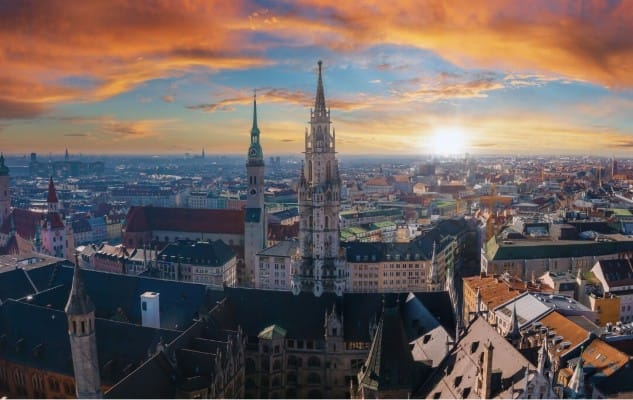

Key Info & Navigation
City Name
Munich (München)
Region
Bavaria, Germany
Population
~1,600,000
Time Zone
CET (UTC +1),
CEST (UTC +2 summer)
Emergency Number
112
Main Train Station:
München Hbf (Munich Central Station)
Airport
Munich Airport (MUC)
Public Transportation
U-Bahn, S-Bahn, Trams, Buses
Main Square
Marienplatz
Best Time to Visit
May–June, September–October
Core Facts
Nice to Know
Famous For:
Oktoberfest, Beer Gardens, Bavarian Culture
Fun Fact:
The English Garden is larger than New York’s Central Park
Must-See:
Marienplatz, Munich Residenz, Nymphenburg Palace, English Garden
Olympic Legacy:
Host of the 1972 Summer Olympics
Local Dish:
Weisswurst, Schweinshaxe, Obatzda
Avg Budget:
€70–180/day
Beer Garden Tradition
Bring Your Own Food to Self-Service Areas
Safety Rating:
Very Safe
Automotive Heritage:
Home of BMW, BMW Welt & the BMW Museum
Internet Speed:
~140 Mbps
On This Page
Explore Munich: Search, Filter & Find Top Spots
What should you see in Munich? Our Munich Travel Guide helps you explore royal palaces, art museums, parks, and local favorites. Search and filter the map to find Marienplatz, Munich Residenz, and the English Garden. Plan your stops around your interests.

What is Lorem Ipsum? Lorem Ipsum is simply dummy text of the printing and typesetting industry....
-
Scout Levi

What is Lorem Ipsum? Lorem Ipsum is simply dummy text of the printing and typesetting industry....
-
Must-See Places in Munich
What’s the story behind Munich’s famous sights? Discover the history, architecture, and traditions connected to the places featured below. Read our articles on these Munich attractions for details worth noticing and practical tips to help you make the most of each visit.
Munich Neighborhoods to Explore
Where should you stay in Munich? Explore six Munich neighborhoods, from Altstadt’s historic streets and Maxvorstadt’s museums to the cafés of Schwabing and quieter corners of Haidhausen. Compare their atmosphere and location to find a base that suits your trip.
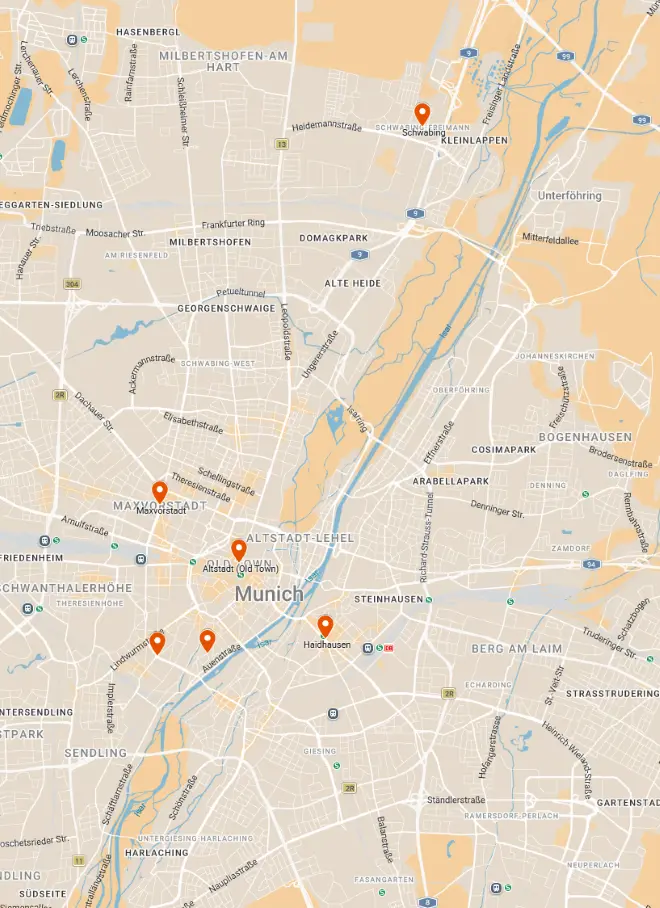
📌Altstadt (Old Town)
Stay in Munich’s historic center, with Marienplatz, Viktualienmarkt, and the Residenz nearby. A convenient base for first visits and exploring on foot.
📌Maxvorstadt
Art and university life meet around Königsplatz and the Kunstareal museums. Cafés and restaurants make this a lively base beyond the Old Town.
📌Schwabing
Cafés and independent shops around Münchner Freiheit, plus easy access to the English Garden, make this a good base for sightseeing and relaxed afternoons.
📌Haidhausen
Small shops, leafy courtyards, and the market at Wiener Platz give this residential neighborhood a relaxed feel, with convenient transport connections around Ostbahnhof.
📌Glockenbachviertel
Bars, independent boutiques, and nearby Isar paths suit visitors who enjoy lively evenings. Choose a quieter side street if restful nights are a priority.
📌Ludwigsvorstadt
Hotels near Munich Central Station provide a practical base for train arrivals and day trips. The neighborhood also includes Theresienwiese, home to Oktoberfest.
AnyWayTale’s Munich Itinerary Picks
1. St. Florian’s Church & Matejko Square
Begin where royal processions once set out along the historic Cracow Royal Route. St. Florian’s Church marks its ceremonial starting point, while Matejko Square’s Grunwald Monument recalls an important chapter of Polish history.
Getting there: Walk from Kraków Główny railway station or take a tram to Dworzec Główny. Allow 6–8 hours for the full route with monument visits and a meal break.
⏰ 20–30 min 🚶 5–8 min from Kraków Główny
2. Cracow Barbican
Continue across Matejko Square to the late-Gothic Barbican, built in 1499 to defend the city’s northern approach. Its circular walls, watchtowers, and defensive openings reveal the strength of medieval Cracow’s fortifications.
Note: Interior access is seasonal, so check current opening hours if you want to go inside.
⏰ 15–25 min 🚶 3–5 min walk
3. St. Florian’s Gate & City Walls
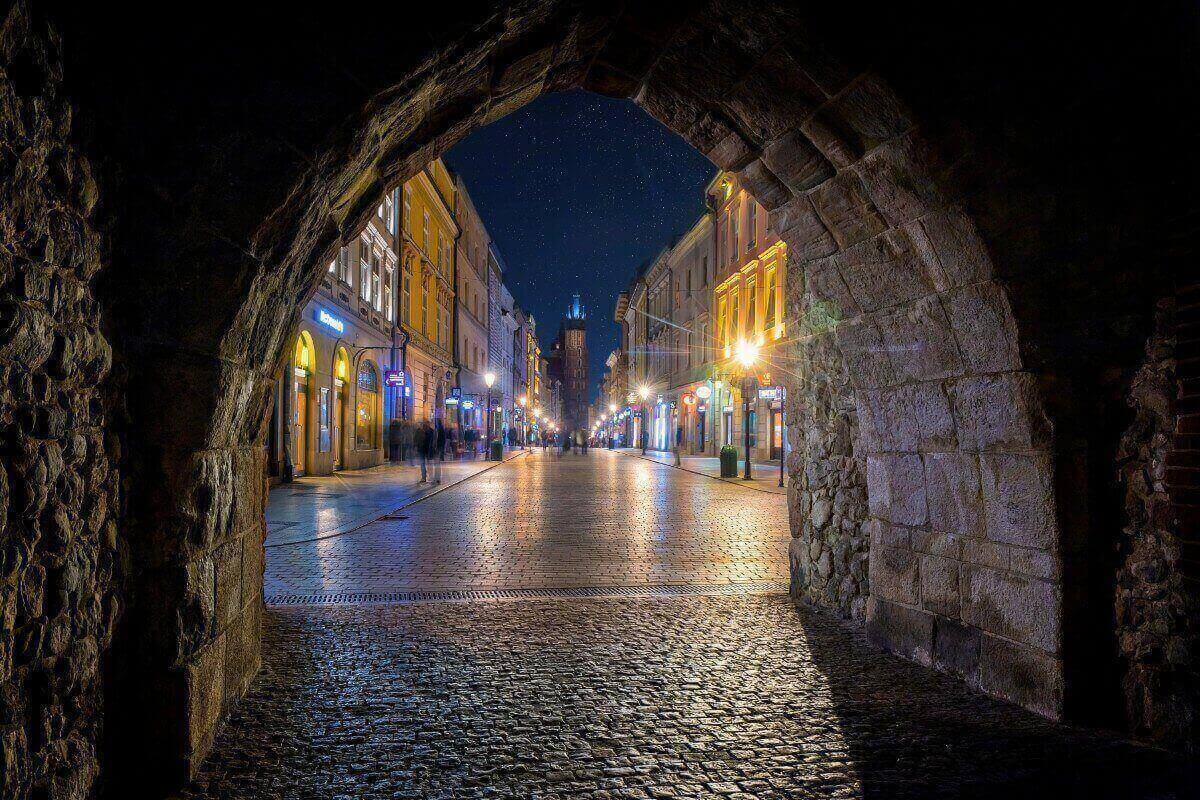
Pass through the sole survivor of Cracow’s eight medieval city gates. It formed the heart of the ceremonial Gate of Glory used by monarchs and distinguished visitors. The arch frames a classic view toward St. Mary’s Basilica.
⏰ 10–15 min 🚶 1–2 min walk
4. Floriańska Street
Follow the original processional street toward the Main Market Square. Historic townhouses, decorative façades, and views of St. Mary’s towers make this a defining stretch of the Royal Route.
Refreshment stop: Historic Jama Michalika at Floriańska 45 offers an art-filled setting for coffee and cake; add 30–45 minutes.
⏰ 15–20 min (+30–45 min for the café) 🚶 Directly beyond St. Florian’s Gate
5. Main Market Square
Explore one of Europe’s largest medieval squares. See the Veit Stoss altarpiece and hear the hourly Hejnał trumpet call at St. Mary’s Basilica, browse the Cloth Hall, and admire Town Hall Tower.
Quick bite: Pick up a traditional obwarzanek krakowski from a street cart around the square.
Note: The basilica and tower require separate tickets. Basilica access varies around services, while tower hours are seasonal.
⏰ 60–90 min 🚶 Floriańska Street leads directly into the square
6. Grodzka Street
Follow Grodzka Street south toward Wawel. Historic townhouses and church façades trace the transition from Cracow’s merchant center to its royal quarter along the original processional route.
Lunch option: Pod Aniołami at Grodzka 35 serves Polish cuisine in historic cellars directly on the route. Add 60–90 minutes and consider booking during busy periods.
⏰ 15–20 min without lunch 🚶 2–3 min from the center of the square
7. Church of Saints Peter and Paul & St. Andrew’s Church
These neighboring churches offer a striking architectural contrast: the grand Baroque façade of Saints Peter and Paul beside the fortress-like Romanesque architecture of St. Andrew’s.
Note: Both are active places of worship, so sightseeing access may be limited during services.
⏰ 25–40 min 🚶 5–7 min walk along Grodzka Street
8. Kanonicza Street
Cross St. Mary Magdalene Square, follow Senacka Street, and turn left onto Kanonicza. Former canons’ residences, elegant façades, and the Długosz House line this atmospheric approach to Wawel.
⏰ 15–20 min 🚶 2–3 min walk via Senacka Street
9. Wawel Cathedral
Visit the cathedral where Polish monarchs were crowned and where kings and national figures are buried. Highlights include the Royal Tombs, Sigismund Bell, historic chapels, and Cathedral Museum.
Note: The cathedral and Royal Castle use separate tickets. Check current hours and religious closures before visiting.
⏰ 45–75 min 🚶 5–8 min uphill walk from Kanonicza Street
10. Wawel Royal Castle
Finish at the former residence of Poland’s kings and the historic destination of the Royal Route. Explore the Renaissance courtyard, then choose from ticketed exhibitions such as the Royal Private Apartments, State Rooms, and Crown Treasury and Armoury.
Plan ahead: Castle routes have separate schedules and limited tickets, so choose your exhibition and book ahead during busy periods.
After the route: Descend toward the Vistula for a rest and memorable views back toward Wawel.
⏰ 90–120 min 🚶 1–3 min within Wawel Hill
Cracow Royal Route – Summary
⏱️ Total time: ~6–8 hours (including major interiors and a meal break)
🚶♂️ Distance: ~2.5 km (an easy walk with a short uphill climb to Wawel)
📍 Stops: 10 highlights, including medieval gateways, historic streets, churches & royal landmarks
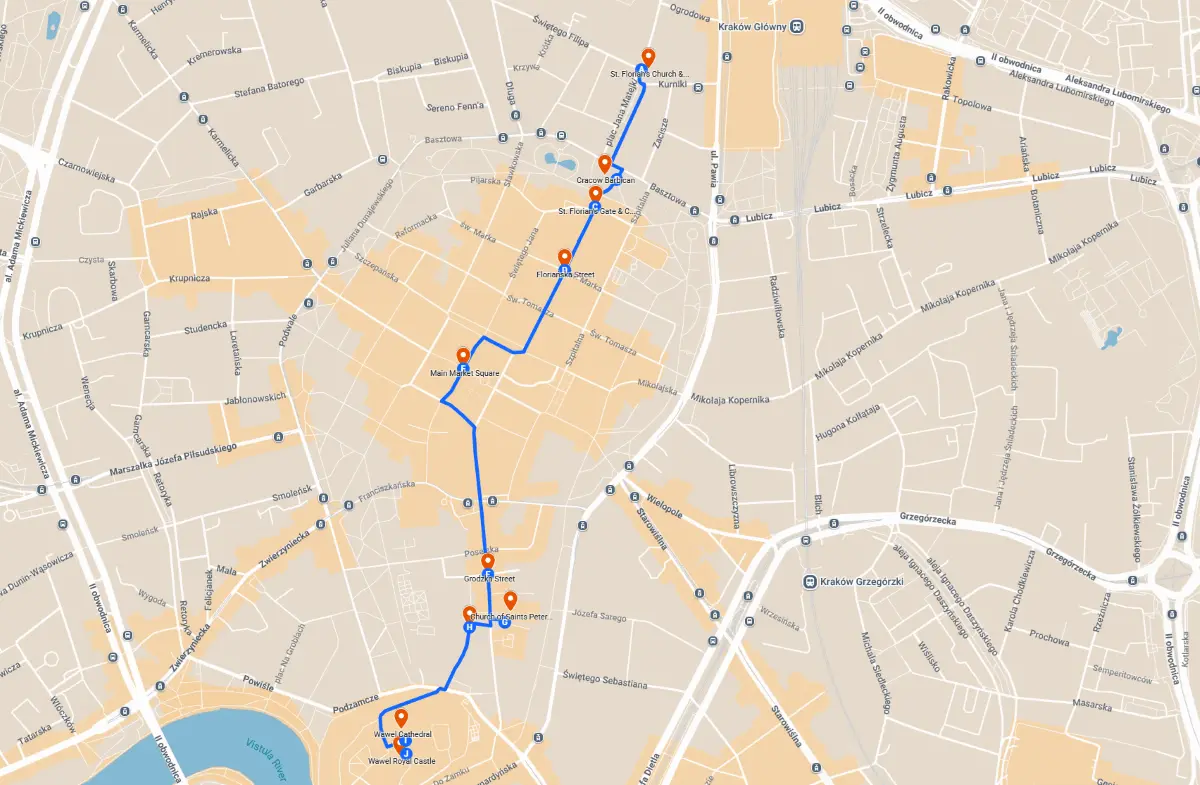
If you want to discover Cracow along the historic path once taken by kings and ceremonial processions, the Cracow Royal Route is the walk I recommend.
I chose this Cracow itinerary because it connects the Barbican, Main Market Square, Grodzka and Kanonicza streets, Wawel Cathedral, and Wawel Royal Castle in a natural sequence without unnecessary backtracking. Coffee, a local snack, and a Polish lunch can all fit along the way, leaving time to appreciate the architecture and atmosphere instead of rushing between sights. It is ideal for first-time visitors who want to experience Cracow’s defining history and landmarks in a single day.
1. Juliusz Słowacki Theatre
Begin near Kraków Główny at one of Cracow’s landmark cultural buildings. Opened in 1893, the theatre is known for its ornate façade and important place in Polish theatrical history. A brief exterior stop provides an elegant introduction to the city before entering the Old Town.
Getting there: Walk from Kraków Główny railway station. Allow approximately 8–10 hours to experience Cracow in one day, including a focused museum visit, Wawel, refreshment breaks, and dinner.
⏰ 10–15 min 🚶 5–8 min from Kraków Główny
2. MNK Czartoryski Museum
Continue to one of the leading Cracow museums, home to Leonardo da Vinci’s Lady with an Ermine, Rembrandt’s Landscape with the Good Samaritan, and historic treasures from the Czartoryski collection.
Plan ahead: Check the current opening days and book ahead during busy periods. If the museum is closed or you prefer less time indoors, admire the historic complex from outside and continue to the Main Market Square.
⏰ 60–75 min for a focused visit 🚶 5–7 min from the theatre
3. Main Market Square, St. Mary’s Basilica & Cloth Hall
Explore Cracow’s historic heart and the landmarks gathered around one of Europe’s largest medieval squares. Visit St. Mary’s Basilica for the Veit Stoss altarpiece, listen for the hourly Hejnał trumpet call from its tower, walk through the Cloth Hall, and admire the Town Hall Tower.
Quick bite: Pick up an obwarzanek krakowski from a street cart around the square before continuing.
Optional: Rynek Underground explores the medieval city beneath the square. Allow another 60–90 minutes and include it only if you shorten one of the other major indoor visits.
⏰ 45–60 min without Rynek Underground 🚶 6–8 min via Świętego Jana Street
4. Collegium Maius
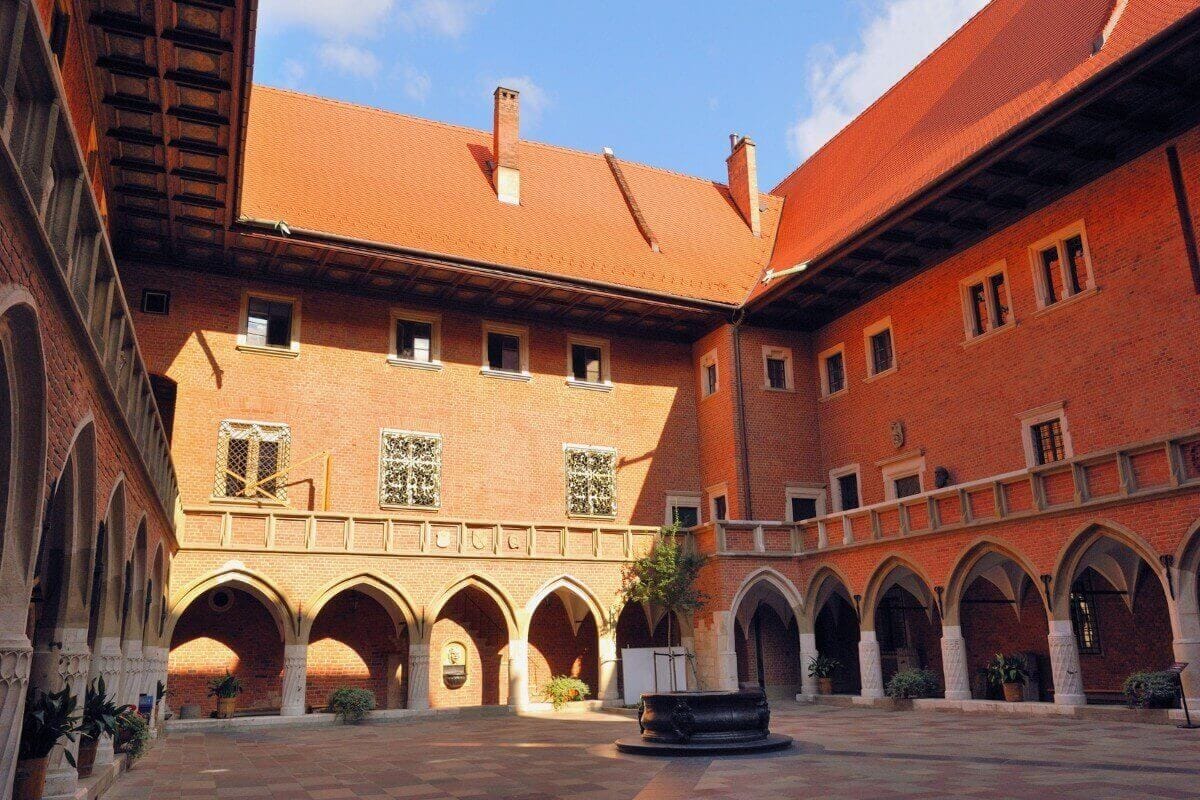
Step into the Gothic courtyard of the oldest building of the Jagiellonian University. Its arcaded architecture and academic history, associated with scholars such as Nicolaus Copernicus, reveal another side of Cracow beyond its royal landmarks. For this itinerary, focus on the courtyard unless you want to replace another museum visit with the full interior.
Coffee stop: Pause at a nearby café in the university quarter before continuing toward the southern side of the Old Town.
⏰ 25–40 min 🚶 4–6 min via Świętej Anny Street
5. Franciscan Basilica & Planty Park
Visit the basilica to see Stanisław Wyspiański’s monumental God the Father – Let There Be! stained-glass window and colorful Young Poland interiors. Across the street, the Bishop’s Palace and its Papal Window recall Cracow’s connection with Pope John Paul II.
Lunch stop: Restaurants around Plac Wszystkich Świętych, Poselska Street, and the northern end of Grodzka Street are conveniently placed before Wawel. Allow 45–60 minutes, or keep lunch light and plan an early dinner at Plac Nowy.
⏰ 25–35 min without lunch 🚶 5–7 min from Collegium Maius
6. Wawel Hill – Cathedral & Royal Castle
Continue through Planty Park and climb Wawel Hill, the political and spiritual center of historic Poland. Explore the Renaissance courtyard and visit Wawel Cathedral, where Polish monarchs were crowned and buried. If time allows, choose one castle exhibition rather than attempting every interior.
Plan ahead: The cathedral and Royal Castle have separate tickets and schedules, while admission to some exhibitions may be limited. Check the current options and book your preferred route in advance during busy periods.
⏰ 90–120 min 🚶 10–15 min from the Franciscan Basilica
7. Wawel Dragon & Vistula Boulevards
Descend to the fire-breathing Wawel Dragon beneath the castle, then continue along the Vistula Boulevards for river views back toward Wawel. During its opening season, Dragon’s Den provides an atmospheric route down through the hill.
Optional detour: The historic Church on the Rock (Skałka) lies close to the riverfront route toward Kazimierz and adds approximately 15–20 minutes.
⏰ 25–40 min 🚶 5–8 min downhill from the castle courtyard
8. Krakow Jewish Quarter – Szeroka Street in Kazimierz
Follow the riverfront into Szeroka Street, the historic heart of Jewish Kazimierz. The Old Synagogue, Remuh Synagogue, Remuh Cemetery, and surrounding façades reflect centuries of Jewish life in Cracow. For this one-day itinerary, choose no more than one interior and leave time to experience the district’s streets and atmosphere.
Timing tip: Synagogues and museums may close earlier than nearby restaurants and bars, so check current visiting hours if you want to go inside.
⏰ 45–60 min 🚶 20–25 min from the Wawel Dragon via the riverfront
9. Plac Nowy – Dinner & Evening in Kazimierz
Continue along Józefa Street, known for atmospheric courtyards, independent shops, cafés, and street art. At Plac Nowy, try a classic zapiekanka from the stalls around the Okrąglak or settle in for dinner before exploring Cracow nightlife in one of the city’s liveliest neighborhoods.
⏰ 60–90 min 🚶 5–7 min from Szeroka Street
Cracow in One Day: Full Itinerary – Summary
⏱️ Total time: ~8–10 hours (including selected interiors, breaks & dinner)
🚶♂️ Distance: ~5 km (mostly level, with a short uphill climb to Wawel)
📍 Stops: 9 key stops covering art, Old Town landmarks, Wawel, the Vistula riverfront & Kazimierz
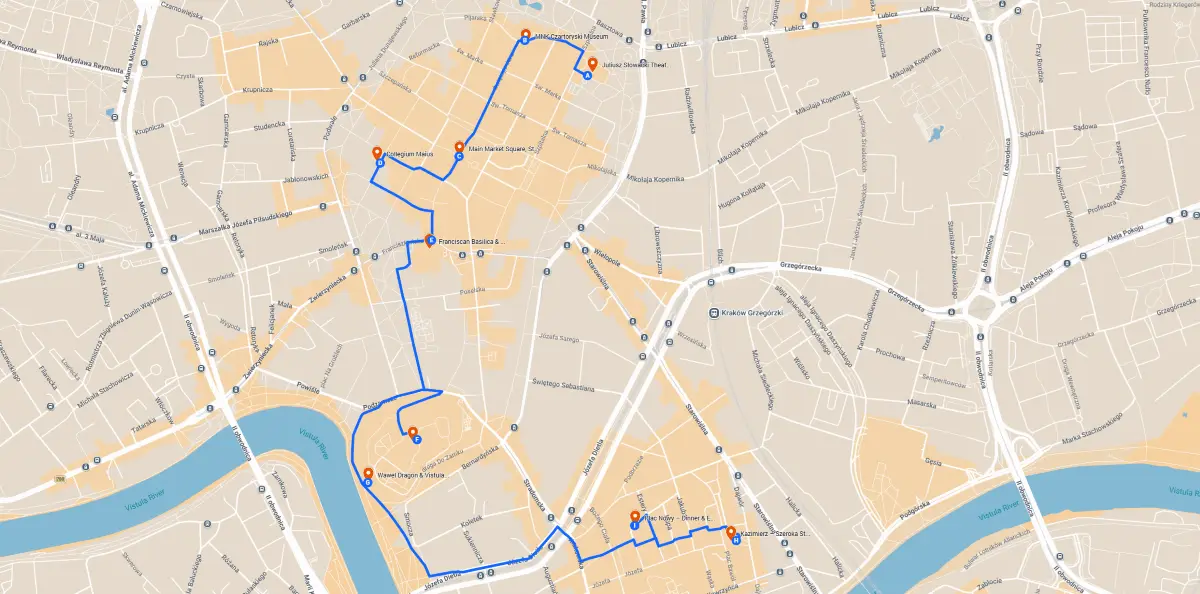
If you want to experience Cracow in one day, this is the itinerary I recommend for combining its defining landmarks, art, history, and neighborhood atmosphere.
I designed this Krakow Travel Guide itinerary to flow naturally from the Czartoryski Museum and Main Market Square through the university quarter and Wawel, then along the Vistula to Kazimierz, without unnecessary backtracking. It balances major sights with a flexible choice of interiors and time for coffee, a local snack, lunch, and dinner at Plac Nowy. It is how I would experience the city’s essentials in a single day without turning the visit into a rushed checklist.
1. New Jewish Cemetery
Begin at Cracow’s only operating Jewish cemetery, established in 1801 after regular burials at the Remuh Cemetery ended. Tree-lined paths, historic gravestones, and the graves of rabbis, artists, and community leaders introduce more than two centuries of Jewish life in the city.
Getting there: Take a tram to the Miodowa stop and continue east along Miodowa Street. Start in the morning, as the cemetery normally closes in the late afternoon and is closed on Saturdays and Jewish holidays.
Planning note: Allow 8–10 hours for the route with selected museum visits and a lunch break; visiting every interior in depth will take longer. Avoid Saturday if you want to enter the cemetery and synagogues.
⏰ 30–40 min 🚶 5–8 min from Miodowa tram stop
2. Galicia Jewish Museum
Continue to this contemporary museum, where photographs, personal stories, and exhibitions commemorate Holocaust victims while celebrating the Jewish culture of Polish Galicia. It provides valuable context before exploring the historic synagogues and former ghetto sites later in the route.
Coffee stop: The museum café and bookshop offer a convenient place for a short break before continuing into the heart of Kazimierz.
⏰ 60–75 min 🚶 8–10 min walk
3. Old Synagogue
Visit one of the oldest preserved synagogues in Poland and the former center of Jewish religious life in Cracow. Its permanent exhibition explores local traditions, religious practices, everyday life, and the history of the city’s Jewish community.
Time-saving tip: If your schedule is limited, choose either the Old Synagogue or Galicia Jewish Museum for a longer interior visit and keep the other more focused.
⏰ 45–60 min 🚶 3–5 min walk
4. Szeroka Street & Remuh Synagogue and Cemetery
Walk along Szeroka Street, the historic heart of Jewish Kazimierz, before entering the Remuh complex. The synagogue remains the main place of worship for Cracow’s Jewish community, while the adjoining cemetery preserves centuries-old gravestones, including that of influential rabbi Moses Isserles.
On the way: Look for the former Popper Synagogue on Szeroka Street, which now houses a bookstore.
Lunch break: Pause around Szeroka or Józefa Street before leaving Kazimierz. Allow approximately 45–60 minutes for lunch.
Note: Remuh is an active place of worship. Dress respectfully, check for restrictions during prayers, and remember that sightseeing access is closed on Saturdays and Jewish holidays.
⏰ 45–60 min without lunch 🚶 1–2 min from the Old Synagogue
5. Tempel Synagogue & JCC Krakow
Continue through Kazimierz to the richly decorated Tempel Synagogue, built for the city’s progressive Jewish community in the 19th century. Next door, JCC Krakow connects the route with present-day Jewish life through cultural, educational, and community programs.
On the way: Follow Józefa and Kupa streets for brief exterior stops at the distinctive High Synagogue and imposing Isaac Synagogue. Treat them as exterior stops unless current opening information confirms interior access.
Note: JCC Krakow is a working community center rather than a conventional attraction. Check its visitor programs or arrange a visit in advance.
⏰ 35–50 min 🚶 8–12 min via Józefa and Kupa streets
6. Former Main Ghetto Gate & Judenrat
Cross the Vistula using the Father Bernatek Footbridge and continue to Rynek Podgórski 1. During the occupation, this building housed the Judenrat, while the main entrance to the Kraków Ghetto stood nearby at the beginning of Limanowskiego Street.
Note: The original gate no longer survives, but this location marks the transition from the Jewish heritage of Kazimierz to the history of the former ghetto in Podgórze.
⏰ 15–20 min 🚶 15–20 min via Father Bernatek Footbridge
7. Ghetto Heroes Square & Eagle Pharmacy
Continue to the central memorial space of the former ghetto, where rows of empty chairs commemorate the people who were imprisoned and deported. At the edge of the square, the Eagle Pharmacy tells the story of pharmacist Tadeusz Pankiewicz, whose premises became a meeting place and source of help for people living inside the ghetto.
Note: The pharmacy museum does not open every day, so check its current schedule before starting the route. The square itself can be visited at any time.
⏰ 50–70 min with the museum 🚶 8–10 min walk
8. Kraków Ghetto Wall Fragment
Follow Lwowska Street to the preserved wall between numbers 25 and 29. This surviving section provides a direct physical reminder of how the German authorities enclosed the ghetto, with rounded upper sections shaped to recall Jewish gravestones.
Note: Pause to read the memorial plaque before continuing toward Zabłocie and the final museum on the route.
⏰ 15–20 min 🚶 5–7 min walk
9. Oskar Schindler’s Enamel Factory
Finish at the former administrative building of Schindler’s factory. The permanent exhibition, Kraków under Nazi Occupation 1939–1945, places Schindler and the Jewish workers he helped within the wider story of occupied Cracow and the experiences of its Polish and Jewish residents.
Plan ahead: Reserve a timed ticket in advance, as availability is limited. The last admission is currently 90 minutes before closing, so confirm the day’s schedule when booking and leave enough time for the full exhibition.
⏰ 90–120 min 🚶 10–12 min walk
Jewish Heritage Route: Kazimierz & Podgórze – Summary
⏱️ Total time: ~8–10 hours (with selected museum visits, lunch & breaks)
🚶♂️ Distance: ~5 km (mostly level and fully walkable)
📍 Stops: 9 key stops, including synagogues, cemeteries, museums & former ghetto sites and memorials
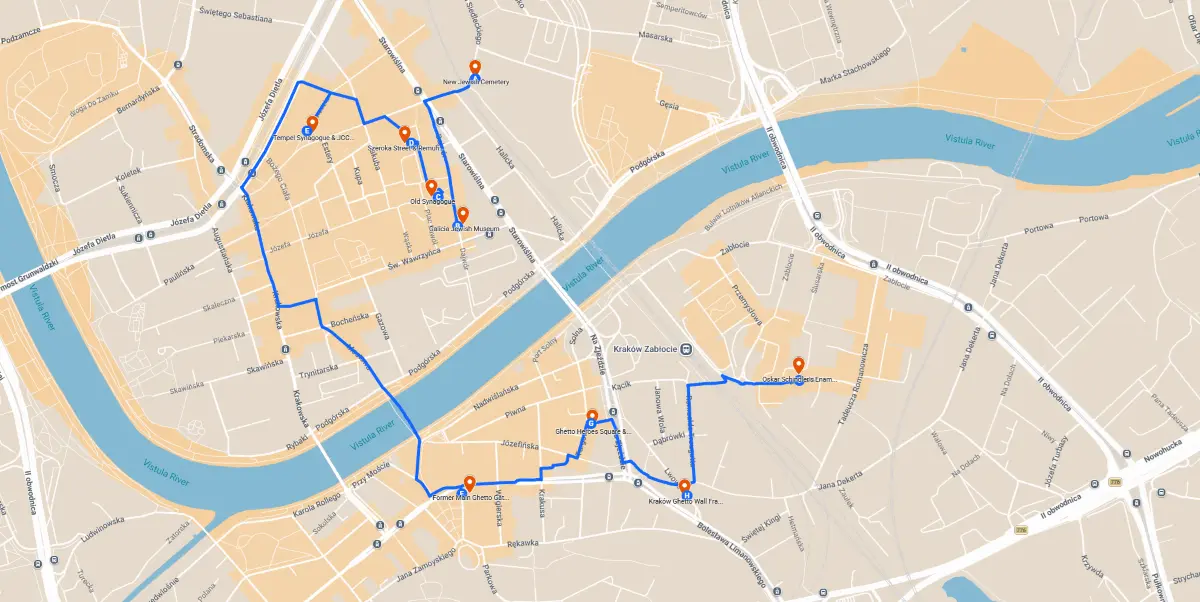
If you want to understand the history of the Krakow Jewish Quarter and the former ghetto in Podgórze, this is the route I recommend.
I designed it for the Cracow Travel Guide to connect the New Jewish Cemetery, key synagogues and museums in Kazimierz, the former ghetto in Podgórze, and Oskar Schindler’s Enamel Factory in one clear direction, without unnecessary backtracking. Rather than including every historic synagogue, I chose nine stops that together explore religious tradition, community life, wartime persecution, and remembrance. The pace leaves time for selected interior visits, reflection, and a lunch break, making this a thoughtful full-day experience rather than a rushed checklist.
1. Stary Kleparz Market
Begin at Cracow’s oldest market, with roots in the mid-14th century. Browse stalls selling fresh produce, bread, cheese, honey, pickles, flowers, and cured meats for a glimpse into everyday city life.
What to buy: Look for Polish honey, preserves, regional cheese, or dry krakowska sausage. Ask where products were made and whether the packaging is suitable for travel.
Getting there: Walk from Kraków Główny railway station or take a tram to Stary Kleparz. Start around 9:30–10:00 and time the route around your booked workshop at the next stop. Allow 8–10 hours if you include the workshop, museum, breaks, and meals.
⏰ 30–45 min 🚶 10–15 min from Kraków Główny
2. Living Museum of Obwarzanek
Cross the street for a workshop devoted to obwarzanek krakowski, Cracow’s traditional braided, ring-shaped bread, briefly boiled before baking. Learn its history, shape your own, and watch it bake—this is a hands-on experience rather than a conventional museum.
Plan ahead: Workshops run at fixed times, last about one hour, and often sell out. Book in advance and choose an English-language session.
⏰ About 60 min 🚶 1–2 min from Stary Kleparz
3. U Babci Maliny – Light Polish Lunch
Continue into the Old Town for traditional Polish cooking served in an atmospheric historic cellar. Choose a soup or smaller dish if you plan to include street food and dinner later.
Location note: Use the current restaurant at Sławkowska 19. Older guides may still list its former location at Sławkowska 17 inside the Polish Academy of Arts and Sciences building.
⏰ 45–60 min 🚶 8–10 min walk
4. Main Market Square & Cloth Hall
Explore Cracow’s historic trading heart and browse the Cloth Hall stalls for amber jewelry, woodcraft, textiles, and folk-inspired souvenirs.
Shopping tip: Ask where an item was made rather than assuming every souvenir is Polish. For something more distinctive, visit Szambelan on Bracka Street for Polish fruit and herbal liqueurs known as nalewki, or the Cracow Poster Gallery on Stolarska Street for Polish art, film, theatre, and music posters.
Note: The Poster Gallery has limited opening hours, so check its schedule before visiting.
⏰ 35–50 min with one shopping stop 🚶 3–5 min from U Babci Maliny
5. Choose: Cukiernia Michałek or C.K. Browar
Sweet option: Visit Cukiernia Michałek at Krupnicza 6, a family-run confectionery dating to 1958. Try its traditional rose-filled Polish doughnut, known as a pączek.
Beer option: Stop at C.K. Browar at Podwale 6–7, where beer has been brewed on the premises since 1996.
⏰ 15–30 min 🚶 7–10 min from Main Market Square
6. Plac Nowy & Okrąglak
Continue into Kazimierz to Plac Nowy, where stalls may offer antiques, books, records, postcards, and other secondhand finds. At its center, the circular former market pavilion known as Okrąglak is lined with takeaway-food windows.
Krakow street food: Try a zapiekanka—a toasted half-baguette traditionally topped with mushrooms and cheese. If you choose it here, skip the maczanka at Stop 8.
⏰ 30–45 min 🚶 18–25 min from your chosen refreshment stop
7. Józefa Street – Shops, Galleries & Street Art
Follow Józefa Street through the creative side of Kazimierz, passing independent galleries, design and vintage shops, bookstores, atmospheric courtyards, and street art. Look here for contemporary Polish prints, ceramics, jewelry, and locally designed gifts.
⏰ 20–30 min 🚶 2–3 min from Plac Nowy
8. Judah Square & Andrus Maczanka po Krakowsku
Pause beneath the monumental Judah mural by Israeli artist Pil Peled, whose child-and-lion image has become a distinctive piece of Kazimierz street art.
Street-food alternative: If you skipped the zapiekanka, try a maczanka krakowska at Andrus—a Cracow-style sandwich made with slow-roasted pork and sauce. There is no need to eat both street-food options.
⏰ 20–30 min 🚶 7–10 min along Józefa Street
9. Wolnica Square & Ethnographic Museum
Continue to Wolnica Square, once the main square of the independent town of Kazimierz. Inside the former town hall, the Ethnographic Museum explores Polish folk culture through costumes, crafts, musical instruments, reconstructed interiors, and seasonal traditions.
Timing note: Check current opening hours before your visit. If the museum is closed or time is limited, explore the square and continue toward Skałka.
⏰ 15–20 min for the square or 45–60 min with the museum 🚶 8–10 min walk
10. Skałka & Vistula Boulevards
Walk to the Church on the Rock, known as Skałka. Its Crypt of the Distinguished contains the tombs of notable Polish writers, artists, and composers, including Stanisław Wyspiański, Karol Szymanowski, and Czesław Miłosz.
Continue along the Vistula Boulevards for a quieter riverside approach to Wawel and a welcome break before dinner.
Note: Skałka is an active religious site, so access may be restricted during services or special events.
⏰ 30–45 min 🚶 5–7 min from Wolnica Square
11. Pod Wawelem Kompania Kuflowa – Dinner
Follow the river toward Wawel and finish at this popular restaurant near the foot of the hill. Pod Wawelem is known for generous portions, traditional Polish dishes, and a lively beer-hall atmosphere.
Plan ahead: Treat the earlier tastings as alternatives rather than mandatory stops, and consider reserving a table on weekends or during busy travel periods.
⏰ 75–90 min 🚶 15–20 min via the Vistula Boulevards
Local Cracow: Markets & Street Food – Summary
⏱️ Total time: ~8–10 hours (including a workshop, museum visit, breaks & dinner)
🚶♂️ Distance: ~6 km (mostly level and fully walkable)
📍 Stops: 11 highlights, including markets, local food, independent shops, cultural sites & a riverside walk
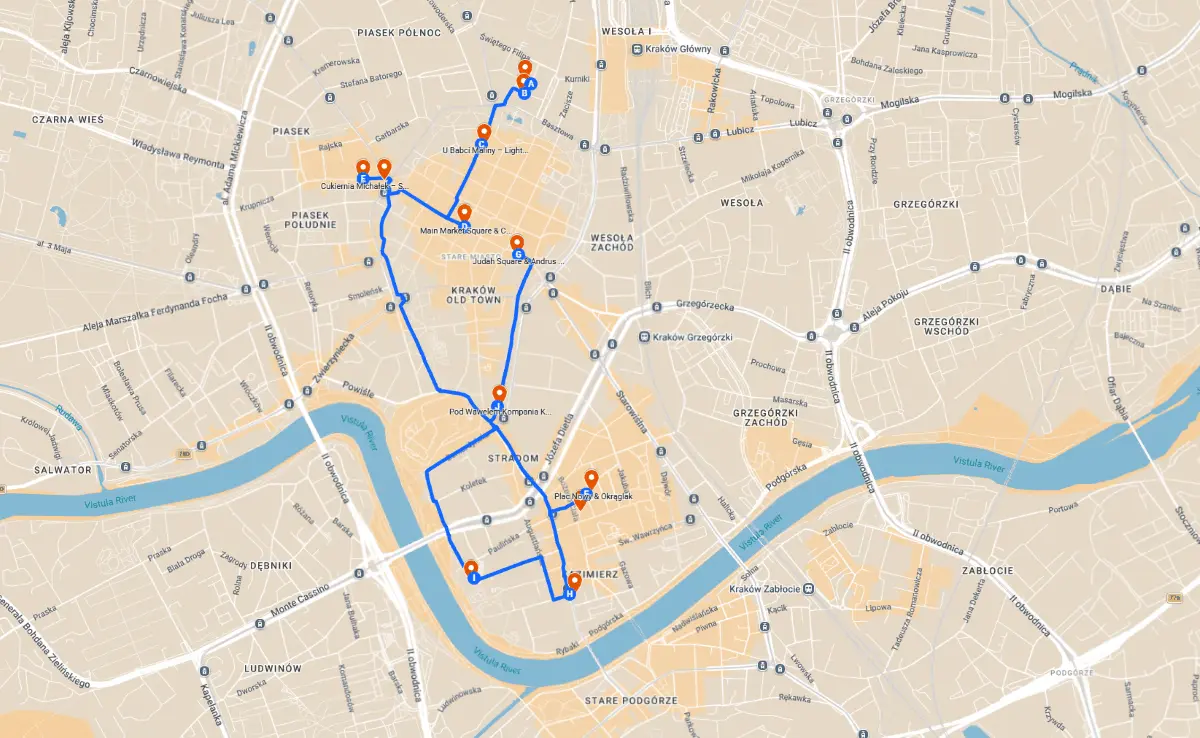
If you want to discover Krakow street food alongside local markets, crafts, and neighborhood life, this is the route I recommend.
I created it for the Cracow Travel Guide to connect Stary Kleparz, the Old Town, Kazimierz, the Vistula riverfront, and Wawel in one natural direction. The route balances an obwarzanek workshop and selected food stops with independent shops, street art, folk culture, and historic sites, offering more than food and drink. Optional tastings keep the pace comfortable, leaving room for a Polish lunch and dinner at Pod Wawelem without making the day feel overloaded.
Best Photo Spots in Cracow
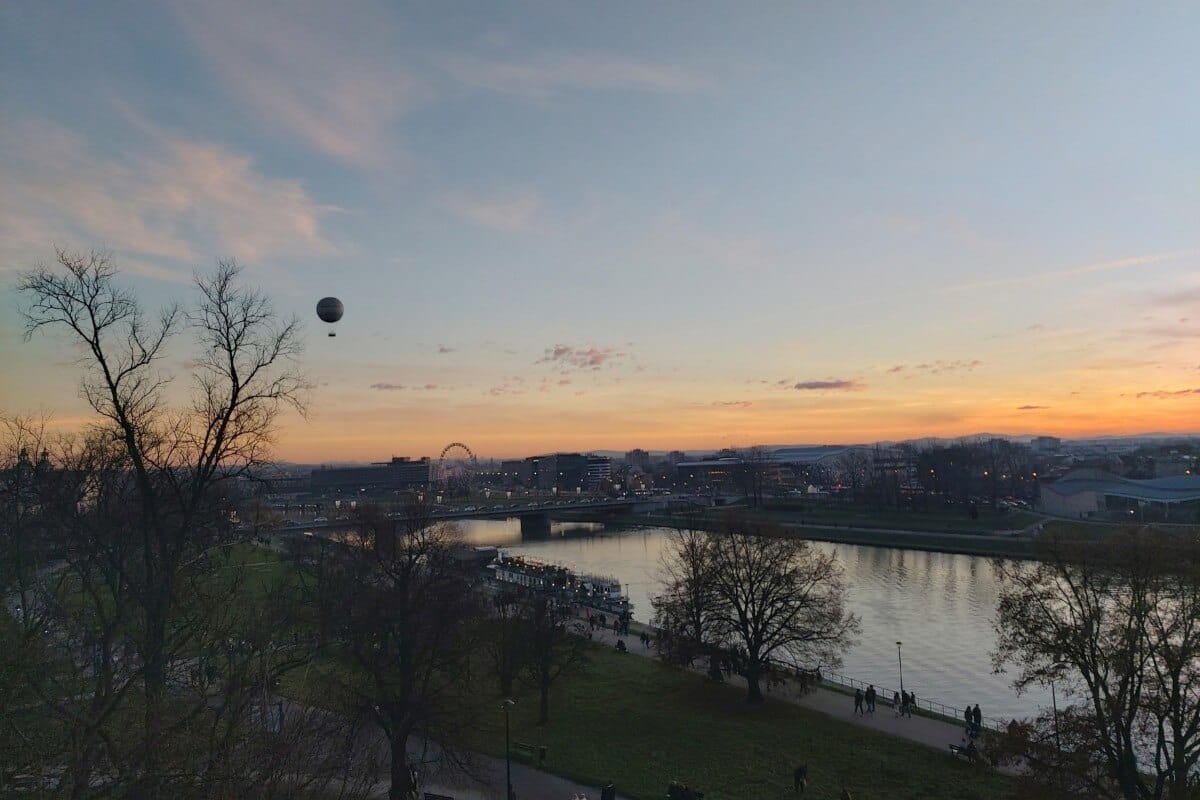
Cracow Observation Balloon – Vistula Panorama
Wide views across the Vistula, Wawel, Old Town, Kazimierz, and Podgórze.
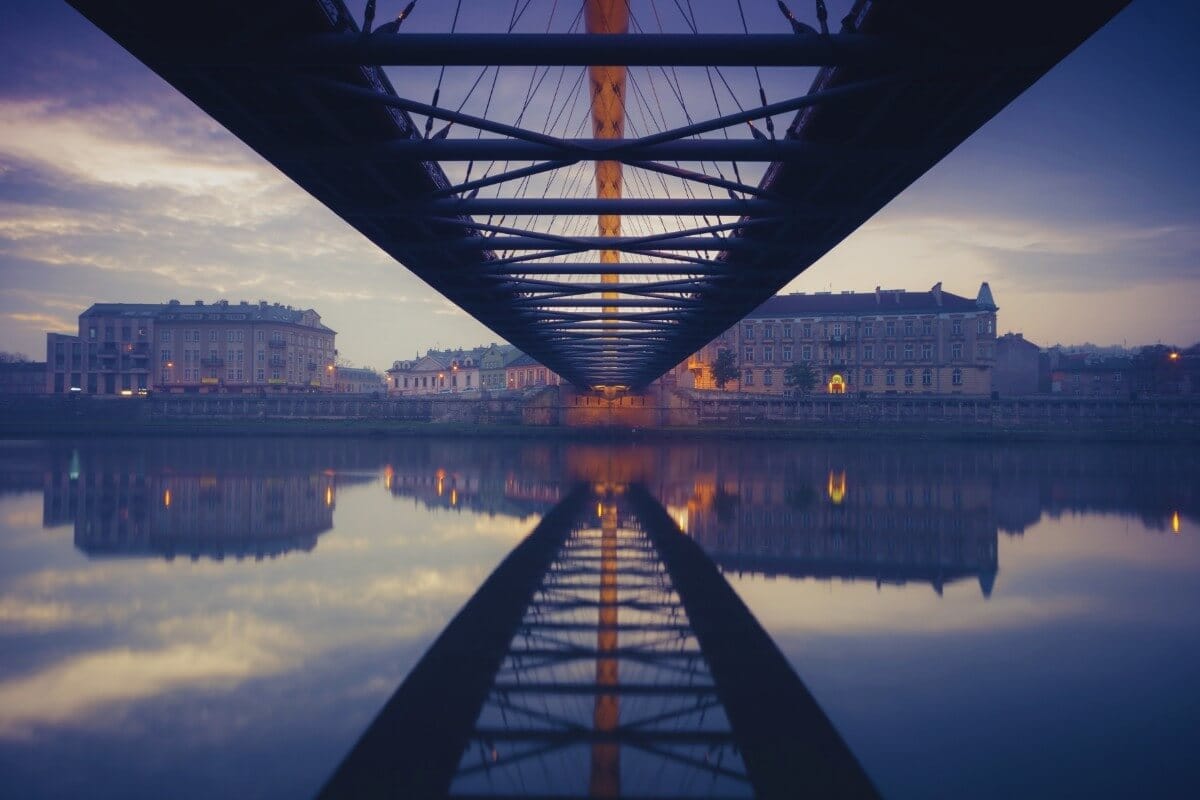
Father Bernatek Footbridge – Sculptures & River Views
Steel arches, suspended acrobat sculptures, and reflections on the Vistula create striking evening shots.
Collegium Maius – Gothic Courtyard
Gothic arcades and historic university architecture create one of Cracow’s most atmospheric courtyards.
St. Florian’s Gate – Floriańska Street View
The medieval arch frames illuminated Floriańska Street for an atmospheric Old Town view.
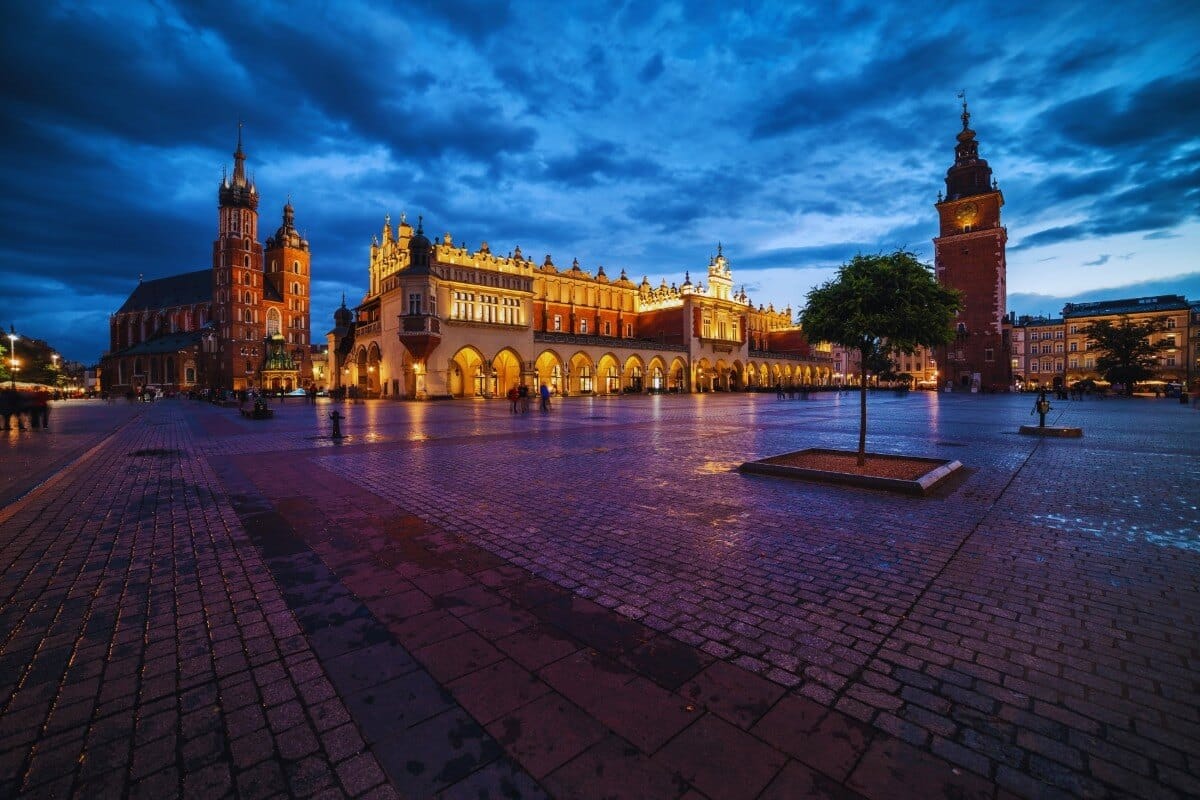
Main Market Square – St. Mary’s Basilica
St. Mary’s towers, the Cloth Hall, and historic façades define Cracow’s most iconic square.
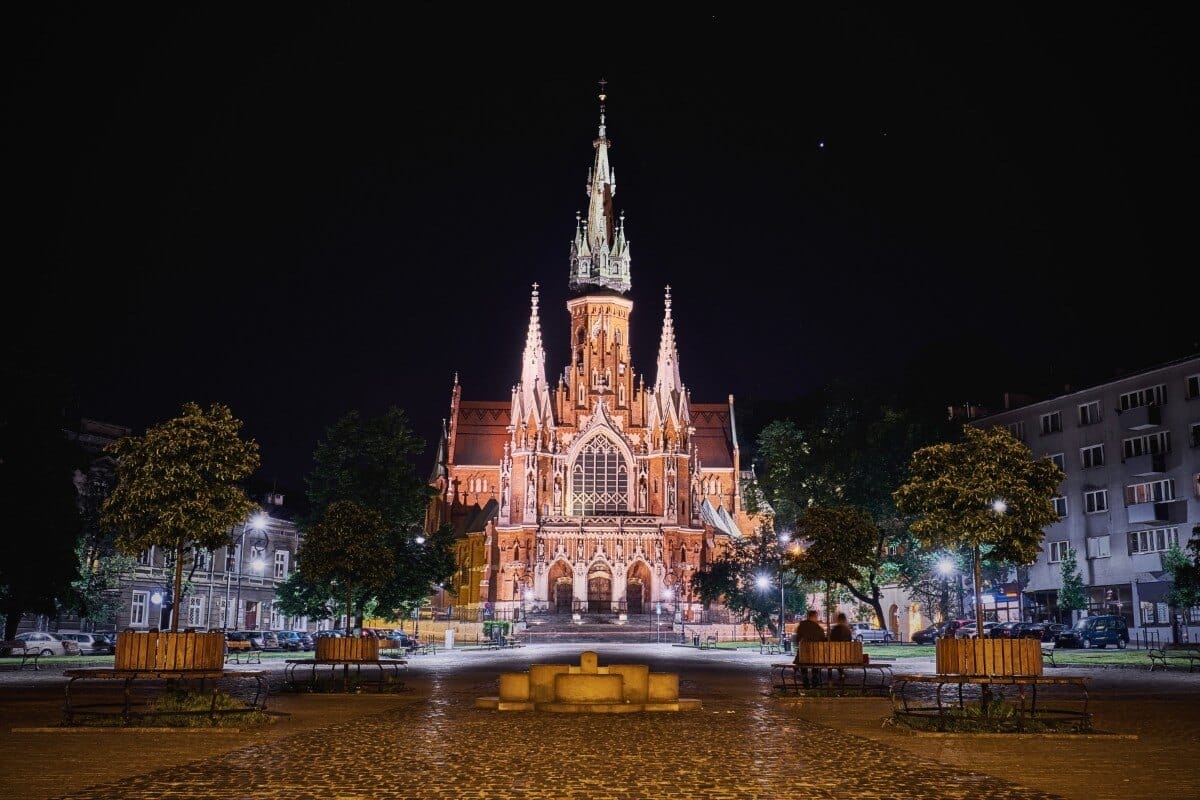
St. Joseph’s Church – Podgórze Landmark
The symmetrical Neo-Gothic façade rises dramatically above Rynek Podgórski, especially after dark.
Wawel Royal Castle – Renaissance Courtyard
Tiered Renaissance arcades make the courtyard one of Wawel’s finest architectural photo settings.
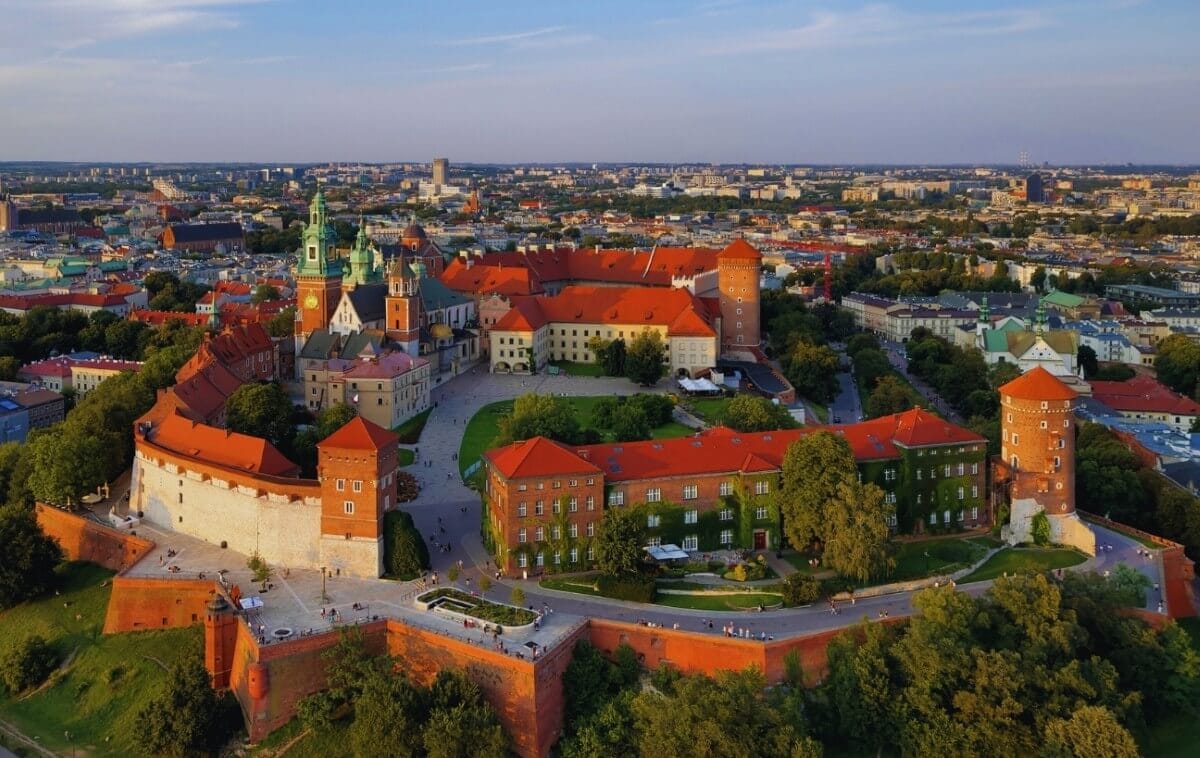
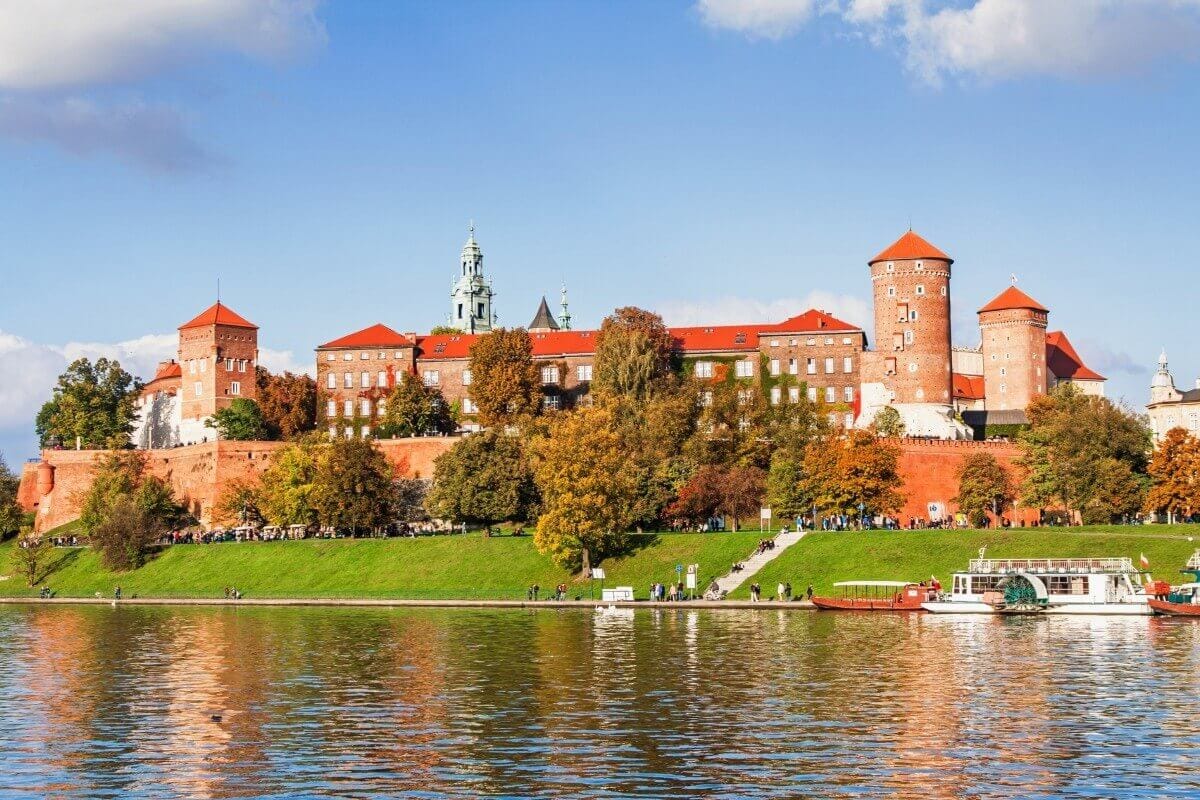
Wawel Castle – Vistula River View
From Bulwar Poleski, the Vistula frames a classic panorama of Wawel Royal Castle and Cathedral.
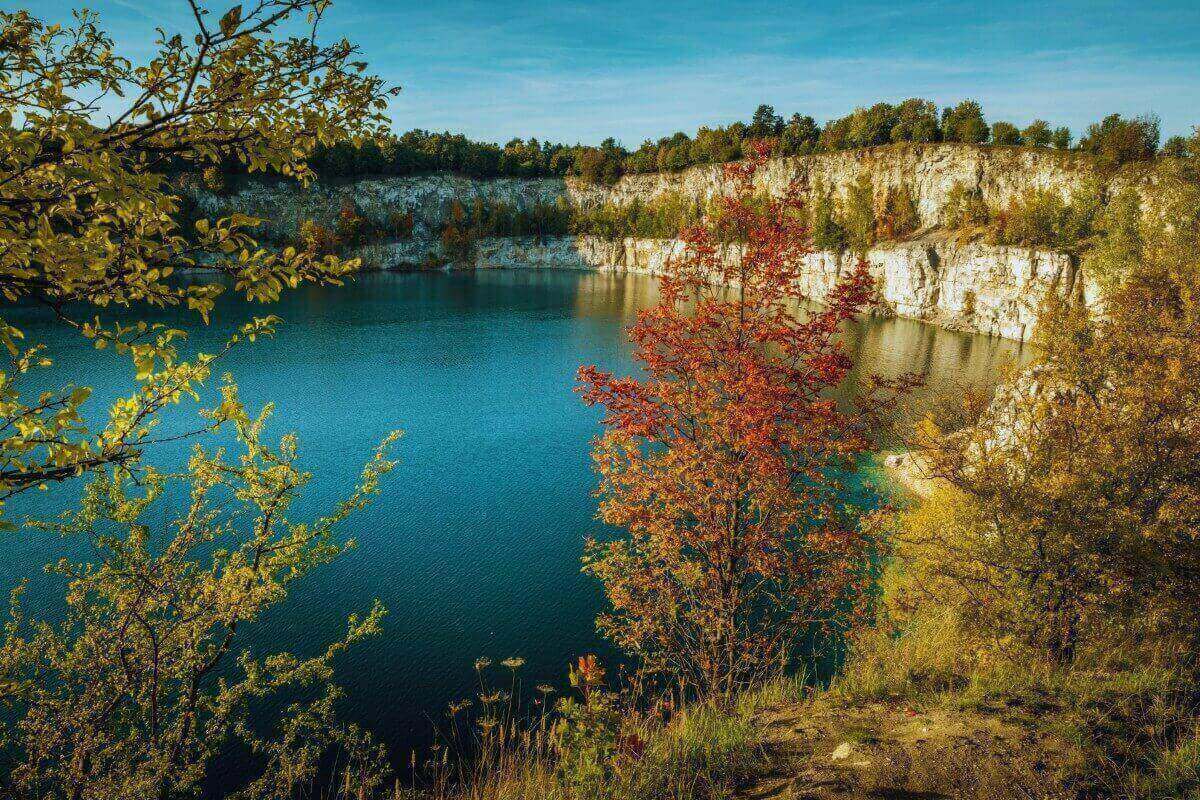
Zakrzówek Park – Turquoise Quarry Views
Turquoise water, limestone cliffs, and greenery create a striking natural contrast to historic Cracow.
Cracow Art, Culture & Events Scene
Must-See Cracow Museums & Cultural Venues
Wawel Royal Castle
The former residence of Polish monarchs, with royal chambers, Renaissance architecture, treasures, and historic collections. Wawel Hill is free to enter; interiors and exhibitions require separate timed tickets. Online booking is recommended.
MNK Czartoryski Museum
One of Poland’s most important art collections, with Leonardo da Vinci’s Lady with an Ermine and Rembrandt’s Landscape with the Good Samaritan. Timed tickets are available online and at the museum; permanent exhibitions are free on Tuesdays, subject to availability.
Rynek Underground
An interactive archaeological museum beneath the Main Market Square, revealing medieval streets, trade, and everyday life in Cracow. Timed tickets are limited, so advance booking is recommended. Admission is free on Tuesdays, with limited same-day tickets available at the box office.
MNK Sukiennice – Gallery of 19th-Century Polish Art
A landmark gallery above the Cloth Hall, displaying major Polish paintings and sculptures by Matejko, Chełmoński, Malczewski, and Podkowiński. Tickets are available online and on site; permanent exhibitions are free on Tuesdays.
Jagiellonian University Museum – Collegium Maius
Explore the Gothic courtyard and historic rooms of the Jagiellonian University’s oldest surviving building, with academic treasures and scientific collections linked to Nicolaus Copernicus. The courtyard is free; museum interiors follow scheduled guided or self-guided time slots and require a ticket.
Old Synagogue
One of Poland’s oldest surviving synagogues, with a permanent exhibition exploring Jewish religious traditions and the history of Cracow’s Jewish community. Tickets are available online and at the museum; admission is free on Mondays.
Oskar Schindler’s Enamel Factory
The former factory’s administrative building houses Kraków under Nazi Occupation 1939–1945, an extensive exhibition about wartime life in the city. Timed tickets are limited, so advance online booking is strongly recommended. Monday admission is free, with same-day tickets only.
Ethnographic Museum in Krakow
Set inside the former Kazimierz Town Hall, the museum explores Polish folk culture through traditional costumes, crafts, reconstructed interiors, music, and seasonal customs. Ticket required; the permanent exhibition is free on Tuesdays.
Polish Aviation Museum
Historic aircraft, helicopters, engines, and aviation exhibits fill hangars and outdoor spaces on a former airfield, making this a strong choice for families and aviation enthusiasts. Tickets are available online and on site; admission is free on Tuesdays.
Cracow Contemporary Art, Street Art & Creative Spaces
From large-scale murals in Kazimierz and Podgórze to contemporary galleries and post-industrial creative spaces, Cracow’s contemporary art scene reveals a bold, evolving side of the city beyond its historic landmarks.
MOCAK – Museum of Contemporary Art in Krakow
Located in the post-industrial Zabłocie district, MOCAK presents Polish and international contemporary art through its collection and temporary exhibitions. Ticket required; admission to the MOCAK Collection on Level -1 is free on Thursdays, while temporary exhibitions are discounted.
Cricoteka – Tadeusz Kantor Art Centre
Dedicated to avant-garde artist and theatre director Tadeusz Kantor, Cricoteka combines exhibitions, archives, performances, and bold architecture built around a former power station. Admission to the permanent exhibition is free; temporary exhibitions and selected events require tickets.
Bunkier Sztuki Gallery of Contemporary Art
A Brutalist landmark beside Planty Park, Bunkier Sztuki presents changing exhibitions by Polish and international contemporary artists, alongside installations, experimental projects, and public events. Ticket required; check the current program and admission details before visiting.
Manggha Museum of Japanese Art and Technology
Japanese art, design, technology, and cultural traditions meet contemporary architecture in this Vistula-side museum overlooking Wawel. Exhibitions change throughout the year. Ticket required; admission is free on Tuesdays.
MuFo Rakowicka – Museum of Photography
MuFo explores photography as art, technology, historical evidence, and everyday communication. Its main exhibition, What Does a Photograph Do?, brings together photographs, negatives, albums, and cameras. Ticket required; admission to the main exhibition is free on Tuesdays.
Judah Square – Judah Mural
Created by Israeli artist Pil Peled for the Jewish Culture Festival, this black-and-white mural combines a child’s face with the Lion of Judah, reflecting vulnerability, strength, and resilience. Located outdoors in Kazimierz; free to visit.
Cracow Annual Festivals & Cultural Events
The best time to visit Cracow for festivals depends on your interests: the city’s annual calendar includes music, theatre, film, and literature events, celebrations of Jewish culture, the Great Dragon Parade, traditional Nativity scenes, and Christmas markets.
Misteria Paschalia Festival
One of Europe’s leading early music festivals, bringing Renaissance and Baroque music to Cracow’s churches and concert halls during Holy Week. Expect acclaimed ensembles, soloists, and historically informed performances.
🎼 March – April
Krakow Film Music Festival
Live orchestras perform celebrated scores from film, television, and video games, with screenings, composer appearances, and large-scale gala concerts.
🎬 May
Great Dragon Parade
The program combines a nighttime spectacle above the Vistula with giant dragons, music, and light effects, alongside a colorful street parade to Main Market Square. A lively celebration inspired by the Wawel Dragon legend.
🐉 June
Jewish Culture Festival in Krakow
Concerts, workshops, talks, exhibitions, and guided walks across Kazimierz explore historic and contemporary Jewish culture. The program usually combines free and ticketed events.
🎶 June – July
Unsound Festival
An internationally recognized festival of experimental and electronic music, sound art, club culture, and audiovisual performance. Events take place in concert halls, clubs, and unconventional spaces across the city.
🎧 October
Conrad Festival
Writers, translators, critics, and readers gather for conversations, readings, debates, and workshops at one of Central Europe’s leading international literature festivals.
📚 October
Divine Comedy International Theatre Festival
Leading Polish productions and international performances take over theatres across Cracow. Expect bold contemporary work, competition programs, artist meetings, and discussions.
🎭 December
Kraków Nativity Scene Competition & Exhibition
Colorful handmade szopki, inspired by Cracow’s architecture, are presented in Main Market Square before the winning entries go on display at Krzysztofory Palace. This local tradition is recognized by UNESCO.
🏰 December – March
Krakow Christmas Market – Main Market Square
The Krakow Christmas Market fills Main Market Square with wooden stalls selling handmade gifts, regional food, and hot drinks, while Christmas lights and seasonal performances create a festive winter atmosphere.
🎄 Late November – Early January
Cracow Live Music, Theatre & Nightlife
Cracow nightlife ranges from intimate jazz clubs, atmospheric cellar venues, and energetic late-night spaces to live performances in historic theatres and classical concert halls.
Juliusz Słowacki Theatre
Opened in 1893, this ornate Old Town theatre presents drama, music, and special performances in one of Cracow’s finest historic interiors. Tickets required; check the program for language details and English surtitles before booking.
National Stary Theatre
One of Poland’s oldest public theatres, known for contemporary productions and ambitious reinterpretations of classic works. Tickets required; selected performances offer English surtitles, clearly marked in the online program.
Krakow Opera
Cracow’s principal opera house presents opera, ballet, operetta, musicals, and concerts in a modern venue. Tickets are available online and at the box office; advance booking is recommended for popular productions.
Kraków Philharmonic
A leading classical music venue with symphonic, choral, chamber, and recital programs featuring Polish and international artists. Tickets are sold separately for each concert; check the current program and venue before booking.
Piwnica pod Baranami
A legendary cultural cellar beneath the Main Market Square, known for literary cabaret, satirical songs, poetry, and intimate concerts. Check the program for ticket and reservation details; cabaret performances are generally in Polish.
Harris Piano Jazz Bar
An intimate basement club on the Main Market Square with regular jazz, blues, and jam-session concerts by Polish and international musicians. Tickets or a cover may apply; book ahead for popular evenings.
Alchemia
A long-standing part of Cracow nightlife, Alchemia combines a candlelit bar with a cellar concert space. Expect jazz, experimental music, alternative acts, and festival events. Admission varies; check the current program.
Prozak 2.0
A multi-level underground club near the Old Town, known for electronic music, international DJs, and themed nights across three dance floors. Admission and door policies vary by event; check the current schedule before going.
Hype Park
A post-industrial concert and event space hosting rock, metal, alternative, and electronic shows alongside club nights and seasonal outdoor events. Tickets and opening arrangements vary by event.
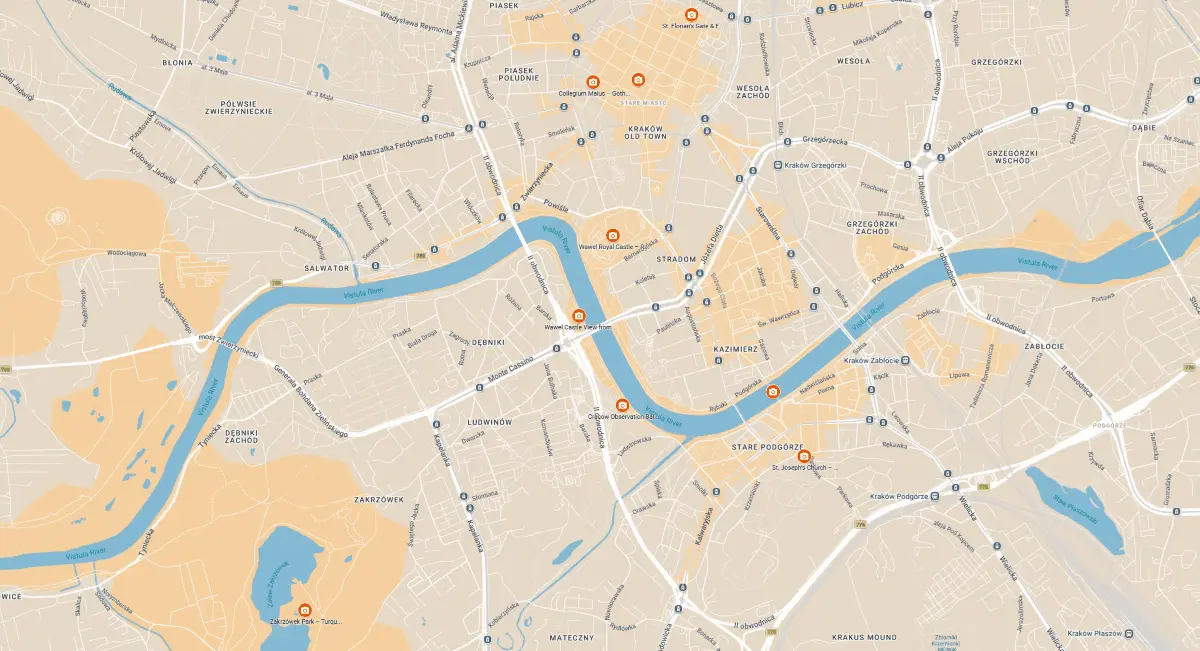
Explore all art, culture & event spots on one map with the Krakow Travel Guide — save it and use it for your trip.
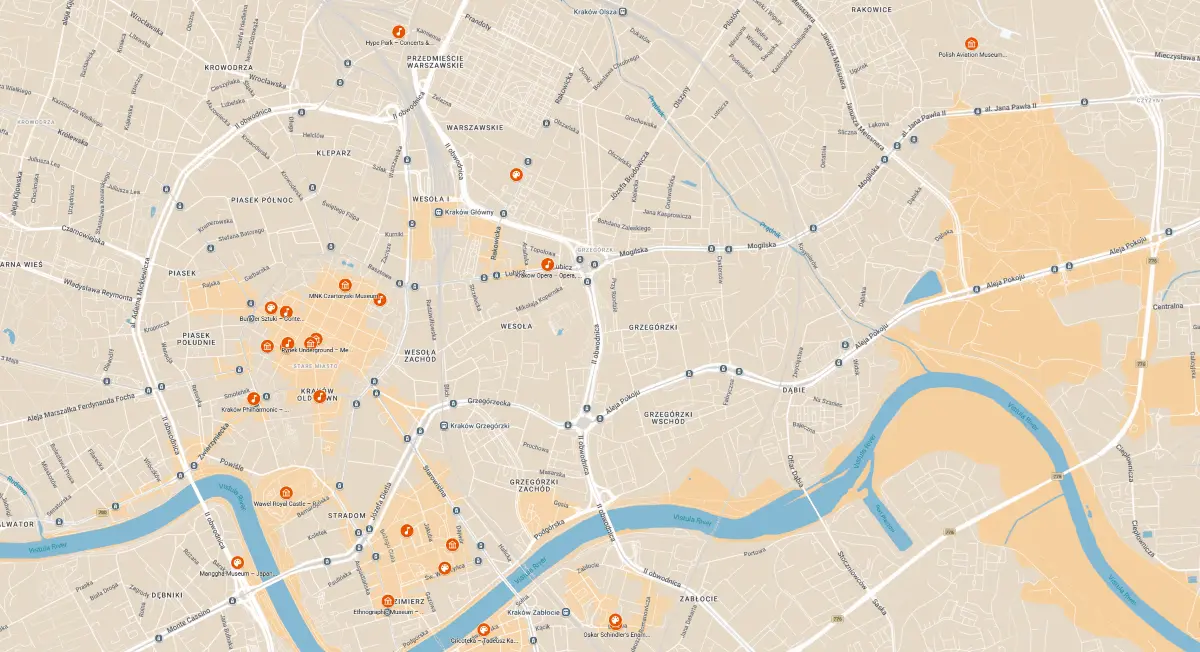
Famous Quotes About Cracow
Cracow has long inspired writers, artists, travelers, and filmmakers. From reflections on its history and architecture to words shaped by its streets and cultural life, these quotes capture the city’s distinctive character and enduring spirit.
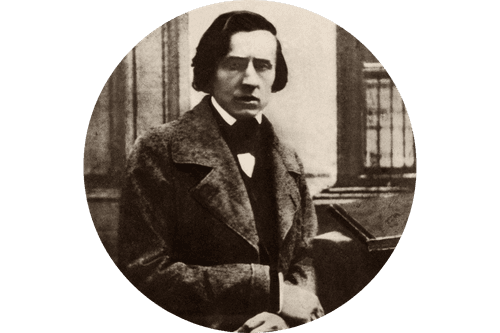
Fryderyk Chopin
“Krakow so occupied my attention that I was able to devote only a few moments to thinking about home and you.”
(Fryderyk Chopin, letter to Tytus Woyciechowski, 12 September 1829)
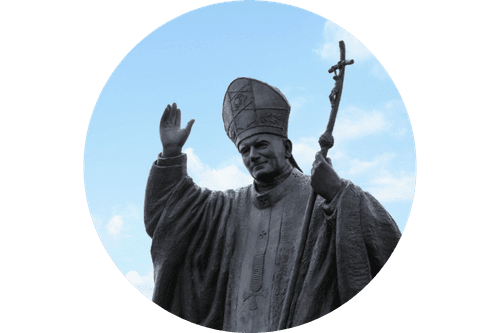
Pope John Paul II
“Krakow, which with unchanged affection I continue to call ‘my’ city.”
(Pope John Paul II, before his first apostolic journey to Poland, 2 June 1979)
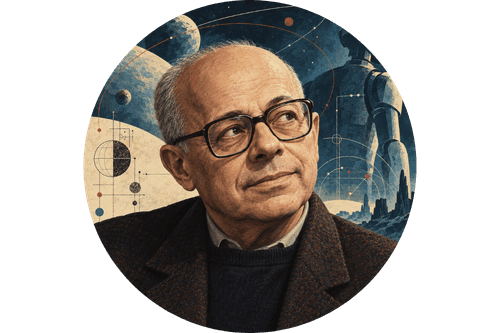
Stanisław Lem
“With natural emotion, I accepted honorary citizenship of Kraków, which replaced my native Lviv.”
(Stanisław Lem, accepting honorary citizenship of Kraków, 1997)
Cracow Travel Guide: Frequently Asked Questions
Is Cracow walkable?
Yes — Cracow is a very walkable city. The most useful Cracow walking routes connect Main Market Square, Planty Park, Wawel Hill, and Kazimierz, all within comfortable walking distance of one another. Most central routes are fairly level, although cobblestones and the short uphill walk to Wawel may slow the pace. You can also cross the Vistula on foot to reach Podgórze, while trams and buses are useful for places farther from the center, including Nowa Huta and Zakrzówek.
How do I get around Cracow?
Getting around Cracow is straightforward. Central Cracow neighborhoods such as the Old Town, Kazimierz, and Podgórze are easy to explore on foot, as is Wawel Hill, while trams and buses connect areas farther from the historic center. Cracow does not have a metro, but its tram and bus network is extensive and practical for reaching places such as Nowa Huta and Zakrzówek.
Public transport uses time-based tickets, with 15-, 30-, 60-, and 90-minute options, as well as 24-, 48-, and 72-hour tickets for travelers making several journeys. Tickets can be purchased from machines and mobile apps, and paper tickets must be validated immediately after boarding. Check current fares, ticket options, maps, and route planning on the official ZTP public transport page.
Taxis and ride-hailing apps such as Bolt and Uber are also available, but most visitors use them mainly when traveling with luggage or when they want a direct journey.
When is the best time to visit Cracow?
The best time to visit Cracow is generally May–June or September–October, when the weather is comfortable for sightseeing and crowds are generally more manageable than in July and August.
- Spring (April–May): Planty Park and city gardens begin to bloom, with average daytime highs of around 12–20 °C. The weather can be changeable, so bring a light waterproof layer.
- Summer (June–August): Long days, outdoor dining, and festivals create a lively atmosphere. Average daytime highs are around 22–25 °C, although hotter periods are possible, and July and August bring the largest crowds.
- Autumn (September–October): Average daytime highs of around 13–19 °C, colorful foliage, and fewer visitors make this an excellent season for walking and photography.
- Winter (late November–February): From late November through December, Christmas markets and decorated squares create a festive atmosphere. Winter days are short, temperatures frequently fall below freezing, and snow is possible but not guaranteed.
How many days in Cracow do you need?
Most travelers should spend 2–3 full days in Cracow. In two days, you can cover many of the best places to visit in Cracow, including the Old Town, Wawel Hill, and Kazimierz, at a fairly active pace, while three days allow time for Podgórze, selected museums, unhurried meals, and coffee breaks. Use the itineraries in our Krakow Travel Guide to connect the main sights without unnecessary backtracking.
With 4–5 days, you can explore more museums, visit Nowa Huta, and add a trip to the Wieliczka Salt Mine or the Auschwitz-Birkenau Memorial and Museum. A longer stay is also worthwhile if you prefer a slower pace instead of fitting too many Cracow attractions into each day.
What are the must-see Cracow attractions?
The must-see Cracow attractions begin in the Old Town at Main Market Square, home to St. Mary’s Basilica and the Cloth Hall. Follow the historic Royal Route from St. Florian’s Gate to Wawel Royal Castle and Wawel Cathedral, then explore Kazimierz for its synagogues, historic streets, and Plac Nowy. If you want to see Cracow in one day, prioritize the Old Town, Wawel, and Kazimierz. With an extra day, cross the Vistula to Podgórze for Ghetto Heroes Square and Oskar Schindler’s Enamel Factory, or visit Rynek Underground and Collegium Maius.
Is Cracow safe for tourists?
Cracow is generally safe for tourists, and most visits are trouble-free. The main concern is petty theft, particularly pickpocketing, in busy places such as Main Market Square, Kraków Główny railway station, and crowded trams. Keep valuables secure, exchange money only at banks or licensed currency exchange offices known as kantors, and use licensed taxis or established ride-hailing apps. At night, use the same common-sense precautions you would in any busy European city. With these simple measures, visitors can explore Cracow with confidence.
Where to Stay in Cracow?
The best neighborhoods to stay in Cracow depend on the kind of trip you want:
- Old Town (Stare Miasto): Best for first-time visitors who want the city’s major landmarks within walking distance.
- Kazimierz: A lively choice for travelers interested in Jewish heritage, restaurants, cafés, and nightlife.
- Podgórze: A quieter area across the Vistula with a more local atmosphere.
- Kleparz: A practical base near the Old Town and Kraków Główny railway station.
- Grzegórzki: A calmer residential area with convenient tram connections.
- Zwierzyniec: A green and peaceful choice for travelers who want nature close to the center.
Compare all six areas in our Cracow neighborhoods guide.
What can I do in Cracow on a rainy day?
Cracow museums offer plenty to do on a rainy day. Explore the medieval city beneath Main Market Square at Rynek Underground, see Leonardo da Vinci’s Lady with an Ermine at the MNK Czartoryski Museum, or choose one of the exhibitions inside Wawel Royal Castle. In Zabłocie, combine wartime history at Oskar Schindler’s Enamel Factory with contemporary art at the nearby MOCAK Museum of Contemporary Art. For something more relaxed, join a hands-on workshop where you make obwarzanek, Cracow’s traditional braided ring-shaped bread, or spend the afternoon in a historic café. Popular museums often use timed admission, so book ahead when possible. Find more ideas in our Cracow art and culture guide.
What are the best free things to do in Krakow?
There are plenty of free things to do in Krakow if you want to explore the city without spending much. Some of the best options include:
- Main Market Square and the Royal Route: Walk from St. Florian’s Gate along Floriańska Street to the square, then continue through the Old Town toward Wawel.
- Wawel Hill: Explore the castle grounds and Renaissance courtyard without a ticket. Castle exhibitions and certain sections of Wawel Cathedral require admission.
- Kazimierz: Discover Szeroka Street, historic façades, street art, atmospheric courtyards, and Plac Nowy. Many synagogue interiors require tickets.
- Planty Park and the Vistula Boulevards: Walk around the Old Town, follow the river beneath Wawel, and stop at the Wawel Dragon sculpture.
- Podgórze and Krakus Mound: Cross Father Bernatek Footbridge, visit Ghetto Heroes Square and a preserved ghetto wall fragment, then climb Krakus Mound for panoramic views of Cracow.
- Free museum days: Selected museums offer free admission to permanent exhibitions on designated days. Tickets may be limited, so check the current schedule and ticket collection rules before visiting.
What are the best day trips from Cracow?
The best day trips from Cracow connect the city with historic sites, national parks, mountain scenery, and smaller cities across southern Poland. The top options include:
- Wieliczka Salt Mine: Explore underground chambers, salt sculptures, and the remarkable Chapel of St. Kinga on a guided tour. The train journey from Kraków Główny takes approximately 25 minutes, making Wieliczka one of the easiest day trips from Cracow and a practical half-day option.
- Auschwitz-Birkenau Memorial and Museum: A place of remembrance and education rather than a conventional tourist attraction. Set aside most of the day, approach the visit respectfully, and reserve a dated entry pass in advance through the official booking system.
- Ojców National Park and Pieskowa Skała Castle: Combine forest trails, limestone formations, Kraków Gate, Hercules’ Club, and a Renaissance castle. Traveling by car or joining an organized tour makes it easier to visit several locations in one day.
- Zakopane and the Tatra Mountains: Discover highlander culture, mountain scenery, and panoramic viewpoints around Poland’s best-known mountain resort. Start early and allow two to three hours for travel in each direction, depending on traffic.
- Tarnów: Take a direct train of around one hour for an easy day exploring a compact Renaissance Old Town, historic market square, cathedral, and sites preserving the city’s Jewish heritage.
Is Cracow expensive to visit?
Cracow is generally more affordable than many Western European capitals, although costs depend on your travel style and the season. The compact historic center, reasonably priced public transport, and free attractions such as Main Market Square, Planty Park, Wawel Hill, and the Vistula Boulevards help keep daily expenses manageable. Restaurants around Main Market Square and the busiest parts of Kazimierz often charge more than places a few streets away. When deciding where to stay in Cracow, remember that accommodation in the Old Town and the busiest parts of Kazimierz tends to cost more, while Kleparz, Podgórze, and Grzegórzki often provide better value without placing you far from the main sights.
Is Cracow good for families with kids?
Cracow is a good destination for families with children, especially because its historic center is compact and its attractions combine legends, hands-on activities, and open spaces. Younger visitors can meet the fire-breathing Wawel Dragon, explore Wawel Hill, or discover medieval Cracow beneath Main Market Square at Rynek Underground. At the Living Museum of Obwarzanek, families can learn about the city’s traditional braided ring-shaped bread and make their own. Families interested in aircraft or interactive science can visit the Polish Aviation Museum or the seasonal Stanisław Lem Experimental Garden. Kraków Zoo in Wolski Forest offers a good half-day outing, while Planty Park and the Vistula Boulevards provide easy places to pause and relax. Keep in mind that cobblestones and steps can make some central routes less convenient with a stroller.
When does the Krakow Christmas Market take place?
The Krakow Christmas Market usually opens in late November and continues into early January, although exact dates vary each year. It is held in Main Market Square (Rynek Główny), where wooden stalls sell Polish crafts, Christmas decorations, regional specialties, sweets, and hot drinks. Smaller festive fairs may also appear elsewhere in the Old Town.
Why does the trumpet call from St. Mary’s Basilica stop suddenly?
The trumpet call from St. Mary’s Basilica ends suddenly because of one of Cracow’s best-known legends. According to the story, a medieval watchman spotted approaching Tatar forces and sounded the alarm from the taller tower. His warning alerted the city, but an arrow struck him before he could finish the melody. The abrupt ending of the Hejnał Mariacki is said to commemorate the trumpeter.
Today, a trumpeter performs the call every hour, four times — once in each direction from the taller tower of St. Mary’s Basilica above Main Market Square. Polish Radio began broadcasting the noon performance live in 1927, helping make it one of Cracow’s most recognizable traditions.
What is the legend of the Wawel Dragon?
The Wawel Dragon is the legendary monster said to have lived in a cave beneath Wawel Hill. In the best-known version of the story, the dragon terrorized Cracow and devoured livestock until a clever shoemaker named Skuba outsmarted it. He left a sheepskin stuffed with sulfur outside the cave. After swallowing the bait, the dragon became desperately thirsty and drank from the Vistula until it burst, freeing the city.
The oldest written version of the legend dates to around 1200, while Skuba was introduced in a later 16th-century retelling. Today, visitors can see the fire-breathing Wawel Dragon statue beside the entrance to the Dragon’s Den at the foot of Wawel Hill. The cave is usually open to visitors from spring to mid-autumn.
Cracow Travel Tips & Insights
Which Cracow walking routes are best for a short visit?
Does Cracow have public transport at night?
Yes — Cracow has night trams and buses. They operate after regular daytime services end and connect the city center with many outlying areas. Most night lines have numbers beginning with 6, while night bus 902 connects the city center with Kraków Airport. Services run less frequently than during the day, so check the current timetable before traveling, as routes and departure times can change during construction work, holidays, or major events.
Should I pay in złoty or euros in Cracow?
Use Polish złoty (PLN) for everyday payments in Cracow. Card payments are widely accepted in shops and restaurants, but keeping a little cash is useful for small purchases. If a card terminal or ATM offers to convert the amount into euros or your home currency, choose PLN and decline the conversion. Your card provider will then handle the exchange, although its own fees may still apply. For a reference rate, check the National Bank of Poland’s official exchange rates, as banks and exchange offices may offer different rates.
What are the best hidden gems in Cracow?
Beyond its major landmarks, Cracow has several lesser-known places worth discovering:
- Stained Glass Museum: A working studio founded in 1902, combining Young Poland art with a close look at how stained glass is made.
- Józef Mehoffer House and Garden: The artist’s former home preserves original interiors, artworks, and a quiet garden near the Old Town.
- Jagiellonian University Pharmacy Museum: Historic apothecary interiors, old remedies, laboratory equipment, and pharmaceutical curiosities on Floriańska Street.
- St. Benedict’s Church and Lasota Hill: A small medieval church beside Fort Benedict. The interior is rarely open, but the historic hilltop setting is worth the walk.
- Tyniec Benedictine Abbey: A historic monastery overlooking the Vistula, with a museum and a peaceful riverside setting.
Planning tip: The first three fit easily into a central sightseeing day, while Tyniec is best visited as a half-day trip. Check current opening hours before setting out.
What are the best things to do in Cracow at night?
- See the Old Town after dark: Walk through the illuminated Main Market Square, listen for the hourly trumpet call from St. Mary’s Basilica, and continue toward Wawel Hill.
- Spend the evening in Kazimierz: Combine dinner with atmospheric bars, cafés, and cellar venues around Plac Nowy, Józefa Street, and Estery Street.
- Hear live music: Check current listings at Harris Piano Jazz Bar or Alchemia for jazz, experimental music, and other concerts.
- Attend a performance: Choose a concert, opera, or theater performance at the Kraków Philharmonic, Krakow Opera, or Juliusz Słowacki Theatre. For theater productions, check the language and availability of English surtitles before booking.
- Experience Cracow nightlife: The Old Town has late-night clubs, while Kazimierz is better suited to bar-hopping and smaller music venues. Check individual event listings, as programs change throughout the week.
- Choose a quieter ending: Walk along the Vistula beneath illuminated Wawel or cross Father Bernatek Footbridge for evening views between Kazimierz and Podgórze.
Which traditional Cracow foods should I try?
- Obwarzanek krakowski: A braided ring of dough that is briefly boiled before baking, then topped with salt, poppy seeds, sesame, or cheese.
- Maczanka krakowska: Slow-roasted pork served with onion and rich sauce in a bread roll—a historic Cracow dish now commonly served as street food.
- Kiełbasa krakowska sucha: A coarse-cut sausage that is cured, smoked, and dried, giving it a firm texture and distinctive flavor.
- Sernik krakowski: A dense baked cheesecake with a pastry base, raisins or candied orange peel, and a distinctive lattice top.
- Zapiekanka at Plac Nowy: A toasted, open-faced half-baguette traditionally topped with mushrooms and cheese. It is a Polish snack rather than an exclusively Cracow dish, but it has become closely associated with Kazimierz.
Pierogi, żurek, and bigos are also worth trying, but they are broader Polish classics rather than specifically Cracow specialties. For a quick introduction to Krakow street food, choose an obwarzanek, maczanka, or zapiekanka.
What are the best markets in Cracow?
Cracow’s markets offer different experiences, so choose according to what you want to find:
- Stary Kleparz: The best choice for fresh produce, bread, cheese, honey, pickles, cured meats, flowers, and an everyday local atmosphere. Visit in the morning for the widest selection.
- Plac Nowy: Browse antiques, books, records, vintage photographs, and secondhand objects, then try a zapiekanka—a toasted, open-faced baguette—from the circular Okrąglak pavilion. The selection changes depending on the day.
- Hala Targowa–Unitarg: A neighborhood market from Monday to Saturday and a large flea market for books, antiques, and miscellaneous finds every Sunday. Arrive early for the best choice.
- Cloth Hall (Sukiennice): The historic option for amber jewelry, wooden objects, textiles, and souvenirs. Ask where items were made if you specifically want Polish-made products.
If you have time for only one, choose Stary Kleparz for food or Hala Targowa on Sunday for vintage finds.
What are the best things to do in Krakow by the water in summer?
Kracow offers several ways to spend a summer day by the water:
- Vistula Boulevards: Walk, cycle, picnic, or relax beside the river beneath Wawel, with paths continuing toward Kazimierz and Podgórze.
- Vistula River cruise: Choose a short sightseeing cruise around central Cracow or a longer seasonal trip to Tyniec Abbey.
- Zakrzówek Park: Explore paths and viewpoints around the former limestone quarry or use the designated, lifeguarded bathing area when it is open.
- Bagry Wielkie: Spend a beach day at one of the supervised bathing areas, with space for sunbathing and seasonal water sports rentals.
Safety tip: Swim only in designated bathing areas—not in the Vistula—and check current opening conditions before visiting, as outdoor swimming and rentals are seasonal and weather-dependent.
What are the best parks and green spaces in Cracow?
Cracow’s green spaces range from central gardens to open meadows and woodland trails.
- Planty Park: A shaded green ring around the Old Town, ideal for a break between landmarks.
- Błonia Meadow and Jordan Park: Adjacent green spaces with broad lawns, walking paths, and playgrounds—ideal for picnics and relaxed afternoons.
- Bednarski Park: A landscaped former limestone quarry in Podgórze with wooded paths and a peaceful atmosphere.
- Jagiellonian University Botanic Garden: Poland’s oldest botanic garden, with mature trees, seasonal flowers, and historic greenhouses. A ticket is required, and hours vary by season.
- Wolski Forest: Extensive woodland with marked trails for longer walks away from the city center.
Choose Planty Park for a quick break or Wolski Forest for a longer escape into nature.
Which Cracow attractions should I book in advance?
Book popular Cracow attractions with timed entry in advance, especially on weekends and during peak season.
- Oskar Schindler’s Enamel Factory: If it is part of your itinerary, book it first, as admission is limited and same-day tickets may be unavailable.
- Rynek Underground: Entry is scheduled for a specific time, so book ahead to secure your preferred time slot.
- Wawel Royal Castle: Exhibitions have separate tickets and visitor limits. Choose your preferred route and book online; tickets are normally released one month in advance. Wawel Hill and the Renaissance courtyard can be visited without an exhibition ticket.
- MNK Czartoryski Museum: Reserve a timed ticket if seeing Leonardo da Vinci’s Lady with an Ermine is an essential part of your visit.
Main Market Square, Planty Park, and the streets of Kazimierz do not require reservations, allowing you to keep the rest of your itinerary flexible.
Is Nowa Huta worth visiting?
- Central Square and Rose Avenue: The best starting point for understanding the district’s original urban design and architecture.
- Nowa Huta Museum and underground shelters: Exhibitions explore the district’s development, everyday life, and Cold War history. Check current opening days before visiting.
- Lord’s Ark Church: A distinctive modern church connected with the local community’s long struggle for permission to build a place of worship.
What is the difference between Wawel Hill, Wawel Cathedral, and Wawel Royal Castle?
Wawel Hill is the entire historic complex, while Wawel Cathedral and Wawel Royal Castle are separate attractions within it.
- Wawel Hill: Includes paths, viewpoints, historic buildings, the cathedral, and the castle. Entry to the hill and the castle’s Renaissance courtyard is free during opening hours.
- Wawel Cathedral: The coronation and burial church of Polish monarchs. Its separate ticket includes the cathedral, Royal Tombs, Sigismund Bell, Cathedral Museum, and Archdiocesan Museum. Castle tickets are not valid here.
- Wawel Royal Castle: The former royal residence offers separately ticketed routes covering royal rooms, the Crown Treasury, the Armoury, and temporary exhibitions.
Dragon’s Den is a separate seasonal attraction, while the Wawel Dragon statue near the cave exit is free to visit. Allow around 3–4 hours for the hill, cathedral, and one castle route.
What should I know before visiting churches, synagogues, and memorial sites in Cracow?
Many of Cracow’s churches and synagogues remain active places of worship rather than simply visitor attractions. Dress respectfully, speak quietly, and avoid sightseeing during services or prayers. Men may be asked to cover their heads in synagogues, while hats should be removed in Catholic churches.
Synagogues managed by the Jewish Community are closed to visitors on Saturdays and Jewish holidays and close earlier on Fridays. Photography rules vary, and it is prohibited in most areas of Wawel Cathedral. At cemeteries, Ghetto Heroes Square, and other memorial sites, behave respectfully and take photographs with discretion.