Plan quickly, explore deeply, relax completely!


Germany
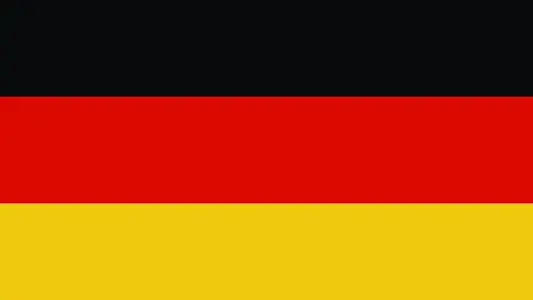
Germany Travel Guide: Key Info & Navigation
Core Facts
- Official Name: Federal Republic of Germany
- Capital: Berlin
- Population: 83 million
- Official Language: German
- Currency: Euro (EUR)
- Time Zone: CET (UTC +1)
- Driving Side: Right
- Emergency Number: 112
- Visa Requirements: Schengen Area
On This Page
Nice to Know
- Famous For: Castles, Beer Culture, Autobahns, and Christmas Markets
- Must-See: Neuschwanstein Castle, Brandenburg Gate, Cologne Cathedral
- National Dish: Bratwurst, Sauerbraten, Pretzels
- Avg Budget: €90–140/day
- Power Plug: Type F
- Safety Rating: Very Safe
- Internet Speed: 100+ Mbps
- Tipping: 5–10% is customary
Explore Germany: Search, Filter & Find Top Spots
This Germany Travel Guide covers everything in one spot — from top places and local food to tips on when to go and how to get around.


What is Lorem Ipsum? Lorem Ipsum is simply dummy text of the printing and typesetting industry....
-
Scout Levi

What is Lorem Ipsum? Lorem Ipsum is simply dummy text of the printing and typesetting industry....
-

What is Lorem Ipsum? Lorem Ipsum is simply dummy text of the printing and typesetting industry....
-

What is Lorem Ipsum? Lorem Ipsum is simply dummy text of the printing and typesetting industry....
-
Must-See Places in Germany
If you’re planning a trip and wondering what to see, this Germany Travel Guide has your back — with places you really don’t want to miss.
Germany Travel Guide: Frequently Asked Questions
When’s the best time to visit Germany?
It depends on your travel style. Spring and fall are great if you prefer mild weather and fewer crowds. Summer offers lively festivals and long days for sightseeing. In winter, you’ll find Christmas markets, snow-covered towns, and cozy drinks. Each season has its own charm.
Do I need a visa to visit Germany?
For short stays (up to 90 days within a 180-day period), visitors from the EU, USA, Canada, Australia, Japan, and many other countries can enter Germany without a visa. If you plan a longer stay for work, study, or relocation, you'll need a visa or residence permit. Rules can change, so it’s best to check the official German Foreign Office website before your trip.
Is Germany expensive to visit?
Germany isn’t the cheapest spot in Europe, but it’s still doable without breaking the bank. On average, expect to spend around €100–150 per day — that covers a decent hotel, meals, transport, and some sightseeing. Bigger cities like Berlin and Munich might be pricier, while smaller towns are often more budget-friendly. In the end, it depends on your travel style. For more travel cost tips, the Germany Travel Guide has you covered.
What’s the currency in Germany?
The official currency in Germany is the euro (EUR). Credit cards are widely accepted, especially in cities and tourist areas, but it’s still smart to carry some cash — smaller shops, local cafés, or rural spots might prefer it.
Can I drink tap water in Germany?
Yes, tap water in Germany is safe and high quality. In fact, it’s some of the cleanest in Europe — you can drink it straight from the faucet without worry. Bottled water is common in restaurants, but for everyday use, tap water is perfectly fine.
Is it easy to get around Germany?
Yes, getting around Germany is quite simple. The country has an excellent train network (Deutsche Bahn) that connects most cities and towns, along with affordable buses and efficient public transport in urban areas. Cities like Berlin, Munich, and Hamburg are also very walkable, with plenty of bike paths if you prefer to cycle.
Do people speak English in Germany?
Yes, especially in big cities and tourist areas. While German is the official language, many people — particularly in hotels, restaurants, and tourist spots — speak English well enough to help you out. In smaller towns, it’s handy to know a few basic German phrases or use a translation app just in case.
What is Germany known for?
Germany is known for its rich history, medieval castles, and world-famous cities like Berlin, Munich, and Hamburg. It’s also loved for beer culture, Christmas markets, engineering and cars, and stunning landscapes — from the Bavarian Alps to the Rhine Valley. Germany blends tradition and innovation like few other places.
What are the best things to do in Germany?
Germany has something for everyone. You can explore Neuschwanstein Castle, stroll through the historic streets of Heidelberg, enjoy a beer at a Munich beer hall, or take a scenic drive along the Romantic Road. Into nature? Hike the Black Forest or cruise the Rhine River. This Germany Travel Guide is packed with ideas to help you plan the trip that suits you best.
For more tips and travel inspiration, explore our full Germany travel guide.
Is Germany safe for tourists?
Yes — Germany is generally very safe for tourists. Whether you're visiting big cities or small towns, most travelers feel secure and welcome. Just follow the usual travel tips: keep an eye on your things in busy areas and stay aware of your surroundings. Locals are helpful, and public spaces are well-organized and well-lit.
Do I need a power adapter for Germany?
Germany uses Type F power plugs (the two round prong type). The standard voltage is 230V with a frequency of 50Hz, so make sure your devices are compatible or bring a suitable adapter.
Is it true there are no speed limits in Germany?
On many parts of the Autobahn, there’s no general speed limit — but safety is key. Some sections do have limits, and drivers are expected to follow “recommended” speeds and drive responsibly.
Are there any local rules I should know when visiting Germany?
Germans value punctuality, quiet hours (especially at night and on Sundays), and recycling. It’s also required by law to carry ID at all times.
Germany Travel Tips & Insights
How Many Days Should You Spend in Germany?
If it’s your first time visiting Germany, aim for 7–10 days to get a good mix of cities, nature, and culture — without feeling rushed. That gives you time to:
Explore Berlin’s history and street life
Visit Neuschwanstein Castle in Bavaria
Spend a few days in Munich or Hamburg
Take a scenic drive along the Romantic Road or cruise the Rhine
A sample trip might look like 3 days in Berlin, 2 in Munich, and 2–3 days for castles, vineyards, or smaller towns.
Only got a few days? Even 3–4 days in Berlin or Munich will leave you with unforgettable memories. For more handy tips and travel routes, check out the full Germany Travel Guide.
Best Time to Visit Germany
Germany has something to offer in every season.
- Spring (April – May): Mild weather, blooming gardens, and fewer tourists — ideal for city strolls and outdoor cafés.
- Summer (June – September): Great for festivals, hiking in the Alps, beer gardens, and scenic drives.
- Autumn (October): Fall colors light up the countryside. It’s also Oktoberfest season and perfect for visiting vineyards.
- Winter (December – February): Christmas markets, snow-covered towns, and skiing in the Bavarian Alps bring a cozy, festive charm.
Hidden Gems in Germany
Looking to go beyond the usual tourist spots? Germany has plenty of lesser-known places worth discovering:
- Quedlinburg: A medieval town full of timber-framed houses and cobblestone charm.
- Berchtesgaden: Nestled in the Bavarian Alps, this scenic spot offers lakes, mountains, and fewer crowds than nearby tourist hubs.
- Meersburg: A quaint lakeside town on Lake Constance, perfect for slow strolls and wine tasting.
- Wernigerode: A colorful town with a storybook castle and great access to the Harz Mountains.
- Görlitz: Right on the Polish border, this hidden gem is packed with historic architecture and film-worthy streets.
What to Eat and Drink — Germany Food Guide
This Germany Travel Guide covers must-try foods and drinks — here’s what to look for on your trip:
- Bratwurst: Grilled sausage served in a bun or with sauerkraut — simple and satisfying.
- Sauerbraten: Slow-roasted marinated beef, often served with red cabbage and dumplings.
- Pretzels (Brezn): Fresh-baked, golden brown, and perfect with mustard or butter.
- German beer: Famous around the world — from crisp Pilsners to hearty Bocks.
- Regional wines: Try Riesling from the Mosel or Spätburgunder (Pinot Noir) from Baden.
Getting Around Germany
Germany has one of the best transportation systems in Europe — reliable, fast, and easy to navigate.
- Trains connect all major cities like Berlin, Munich, Frankfurt, and Hamburg. High-speed ICE trains are quick but a bit pricier; regional trains are slower but more budget-friendly.
- In cities, public transport is excellent. U-Bahn (subway), S-Bahn (commuter trains), trams, and buses run frequently and on time.
- For day trips or exploring rural areas, regional trains or a rental car give you the flexibility to reach smaller towns, castles, and nature spots.
First-Time Travel Tips
What should I know before visiting Germany for the first time?
- Carry a bit of cash. While cards are widely accepted, some bakeries, cafés, or small businesses might still prefer cash.
- Public restrooms may charge a small fee. Having coins on hand is useful.
- Tipping is common. Leaving around 5–10% in restaurants is appreciated.
- Validate your train ticket. Especially on regional trains — inspectors are strict, and fines apply.
- Be mindful of quiet hours. Especially at night and on Sundays — Germans take their peace seriously.
For more first-time tips, keep scrolling through our Germany Travel Guide — it’s full of helpful info to make your trip smooth and stress-free.
Safety & Language
Is Germany safe to travel to?
- Yes — Germany is considered very safe, even for solo travelers. Cities are well-organized, public spaces are clean, and crime rates are generally low.
- English is widely spoken in major cities, tourist spots, hotels, and restaurants — especially by younger people. In rural areas, knowing a few German phrases or using a translation app can come in handy.
- Tap water is safe and clean throughout the country — no need to buy bottled water.
Germany regularly ranks among the safest countries in Europe. According to Smartraveller, it’s a low-risk destination for international travelers.
Where should I stay in Germany?
Berlin: For first-timers, staying in Mitte puts you close to major sights like Brandenburg Gate and Museum Island. Prenzlauer Berg is great if you prefer a quieter, café-filled vibe.
Munich: Choose the Altstadt (Old Town) for history and walkability, or Schwabing for a more local feel with art, culture, and greenery.
Hamburg: Stay near St. Pauli if you’re into nightlife and waterfront views, or go for Neustadt for something more central and relaxed.
Internet & Connectivity
Is there free Wi-Fi in Germany?
- Yes — free Wi-Fi is easy to find in most hotels, cafés, train stations, and city centers across Germany.
- If you want reliable internet on the go, local SIM cards from providers like Telekom, Vodafone, or O2 are easy to get and work well.
- Mobile coverage is strong in cities and towns, but it can be patchy in rural or mountain areas — especially if you’re heading into nature.
Festivals & Events to Catch
What festivals are held in Germany?
Germany is packed with festivals year-round — from huge celebrations to charming local events:
Oktoberfest (Sept–Oct): The world’s largest beer festival, held in Munich. Expect lederhosen, pretzels, and lots of cheer.
Christmas Markets (late Nov–Dec): Magical markets with lights, food, and mulled wine in cities like Berlin, Cologne, and Nuremberg.
Berlinale (Feb): The Berlin International Film Festival — one of the world’s biggest.
Carnival (Feb–March): Known as Karneval or Fasching, it’s loud, colorful, and full of parades (especially in Cologne and Düsseldorf).
Wacken Open Air (Aug): One of the biggest heavy metal festivals in the world.
From winter wonderlands to summer beats, the Germany Travel Guide points you to festivals that make any visit extra special.