
[custom_breadcrumb]
[custom_breadcrumb]
Berlin


Berlin Travel Guide: Key Info & Navigation
Core Facts
-
City Name: Berlin -
Region: Berlin (federal state, Germany) -
Population: ~3.7 million -
Time Zone: CET (UTC +1), CEST (UTC +2 summer) -
Emergency Number: 112 -
Main Train Station: Berlin Hauptbahnhof (Berlin Central Station) -
Airport: Berlin Brandenburg Airport (BER) -
Public Transportation: U-Bahn, S-Bahn, Trams, Buses, Bikes -
UNESCO Site: Museumsinsel, Modernism Housing Estates, Palaces & Parks of Berlin -
Best Time to Visit: May–September, December (Christmas markets)
Nice to Know
-
Famous For: Brandenburg Gate, Berlin Wall & East Side Gallery, Reichstag Dome, Vibrant Nightlife, Street Art -
Must-See: Brandenburg Gate, Berlin Wall Memorial, Museum Island, Berlin TV Tower, Checkpoint Charlie -
Local Dish: Currywurst, Döner Kebab, Eisbein -
Nightlife Culture: World-famous techno clubs & music scene ili -
Cultural Capital: Berlin International Film Festival (Berlinale), theatres, museums -
Fun Fact: Nicknamed “Poor but Sexy” -
Avg Budget: €90–150/day -
Safety Rating: Safe -
Internet Speed: 80–120+ Mbps
Today in Berlin
On This Page
-
1. Key Info & Navigation
-
2. Explore by Category & Map
-
3. Must-See Places in Berlin
-
4. Neighborhoods to Explore
-
5. Berlin Itinerary Picks
-
6. Best Photo Spots in Berlin
-
7. Art, Culture & Events Scene
-
8. Famous Quotes About Berlin
-
9. Berlin Travel Guide FAQ
-
10. Berlin Travel Tips & Insights
Explore Berlin: Search, Filter & Find Top Spots
Planning a trip to Berlin? This Berlin Travel Guide highlights the best things to do in Berlin — from tips on transport, budgeting, and local customs to food & drink, museums, nightlife, and hidden gems that reveal the city’s unique character.
[dynamic_map]
Must-See Places in Berlin
Wondering where to start in Berlin? This Berlin Travel Guide takes you into the city’s unique rhythm — from Brandenburg Gate and the Reichstag Dome to Tempelhofer Feld, lively beer gardens, and peaceful riverside walks.
Use the map above to uncover more things to do in Berlin — each pin leads you to a mix of history, culture, and local life. Then scroll down for the complete list of must see in Berlin spots that deserve a place on your itinerary.
Berlin Neighborhoods to Explore
Where should you stay in Berlin? This Berlin neighborhoods guide helps you choose the right area — from lively districts known for nightlife and culture to quieter corners with local charm, parks, and everyday life.

📌Mitte
Berlin’s central stage — Brandenburg Gate, Museum Island, and grand boulevards mixed with cozy cafés and riverside walks.
📌Kreuzberg
Creative and alternative — street art, food from every corner of the world, and a nightlife scene that never sleeps.
📌Prenzlauer Berg
Leafy and laid-back — restored 19th-century houses, family-friendly cafés, and weekend flea markets with local charm.
📌Friedrichshain
Youthful energy — the East Side Gallery, buzzing clubs, and riverside hangouts where Berlin shows its bold spirit.
📌Charlottenburg
Elegant and classic — baroque palaces, high-end shopping, and a touch of old-world glamour in the city’s west.
📌Neukölln
Up-and-coming mix — multicultural vibes, rooftop bars, quirky galleries, and green escapes like Tempelhofer Feld.
AnyWayTale’s Berlin Itinerary Picks
Planning a short trip to Berlin? Our Berlin itinerary picks help you explore in 1–3 days — from famous landmarks to local food, culture, and hidden gems.
1. Brandenburg Gate & Pariser Platz
The perfect start in Berlin: take in the Brandenburg Gate, the broad Unter den Linden boulevard, and get your bearings before heading toward the government quarter.
⏰ 20–30 min 🚶 You’re at the start
2. Reichstag Building (Glass Dome)
Walk to the Reichstag and its famous glass dome, offering sweeping views over the government district. Optional coffee: the rooftop café pairs a break with stunning city panoramas.
⏰ 20–30 min 🚶 3–5 min from the gate
3. Memorial to the Murdered Jews of Europe
Spend a quiet moment at the Holocaust Memorial, where the field of stelae invites reflection before you continue south toward Potsdamer Platz.
⏰ 15–20 min 🚶 5–7 min from the Reichstag
4. Potsdamer Platz
Step into Berlin’s modern side: contemporary architecture, film history, and lively plazas. A striking contrast before continuing toward the city’s Cold War landmarks.
⏰ 20–30 min 🚶 7–8 min from the memorial
5. Checkpoint Charlie
Continue to the former border crossing at Checkpoint Charlie, a vivid reminder of the Cold War, before heading northeast toward Berlin’s grand squares.
⏰ 15–20 min 🚶 10 min from Potsdamer Platz
6. Gendarmenmarkt — Coffee & Cake Break
One of Europe’s most elegant squares, with twin cathedrals, the Konzerthaus, and cafés lining the plaza. An ideal spot for a coffee and pastry with a view before continuing toward the museum quarter.
⏰ 25–35 min 🚶 7–8 min from Checkpoint Charlie
7. Museum Island (Museumsinsel)
Cross into the UNESCO-listed Museum Island, home to world-class collections like the Pergamon Museum and Altes Museum. Optional pause: nearby riverside terraces are perfect for a light lunch or a drink by the Spree.
⏰ 25–40 min 🚶 10–12 min from Gendarmenmarkt
8. Berlin Cathedral (Berliner Dom)
Finish at the Berlin Cathedral, a landmark of Neo-Renaissance architecture beside the river. If time allows, step inside its ornate interior or climb the dome for sweeping city views. Optional dinner: end the day with a traditional meal at Zur Letzten Instanz (Berlin’s oldest restaurant, 1621), just a short walk from Museum Island.
⏰ 20–30 min 🚶 3–5 min within the island
Berlin Highlights Walking Route – Summary
⏱️ Total time: ~5–6 hours (with breaks)
🚶♂️ Distance: ~6 km (flat, easy walk through central Berlin)
🍽️ Stops: 8 key locations, with optional café breaks and a traditional dinner

See This Berlin Route on the Map
If you’ve only got one day in Berlin, this walk really lets you feel the city.
It starts at the Brandenburg Gate and carries you through history, politics, and culture without zig-zagging across town. This one-day walk connects a few of the best places to visit in Berlin, from powerful memorials to lively squares and riverside views, including a couple of stops to slow down over coffee or a drink. I’ve ended it at the cathedral and suggested dinner at Berlin’s oldest restaurant — a way to close the day with something truly local. This is the route I’d take if I wanted to see Berlin in a clear, unhurried flow.
Scout Levi
1. Alexanderplatz & TV Tower (Kickstart)
Begin on the east side at Alexanderplatz. For an instant city view, ride up the TV Tower (368 m)—its observation deck offers sweeping views across Berlin, from the Spree River to the distant Teufelsberg. Optional stop: plenty of cafés and bakeries on the square for a quick coffee.
⏰ 30–45 min 🚶 You’re at the start
2. East Side Gallery (Berlin Wall Murals)
Head to the longest surviving stretch of the Berlin Wall, covered in murals by artists from around the world. Optional stop: riverside bars and street-food stalls along the Spree make for an early snack or coffee break. Note: the gallery runs 1.3 km.
⏰ 45–60 min 🚇 S-Bahn 7 min + 🚶 5–7 min from Alexanderplatz
3. Berlin Cathedral (Berliner Dom)
Return toward Museum Island for the Berlin Cathedral, overlooking the Spree. Its Neo-Renaissance façade is one of Berlin’s most striking landmarks. Inside, you’ll find ornate interiors and chapels, while climbing the dome rewards you with a sweeping city panorama.
⏰ 30–60 min 🚇 U-Bahn 6 min + 🚶 5 min from East Side Gallery
4. Museum Island (Museumsinsel)
Explore the UNESCO-listed Museum Island, a remarkable ensemble of five museums on the Spree. Plan to spend about an hour and a half here—time enough to enjoy the riverside setting and to visit one museum such as the Pergamon Museum with its monumental reconstructions, or the Neues Museum with its famous bust of Nefertiti.
⏰ ~1.5 hrs 🚶 3–5 min from the cathedral
5. Unter den Linden → Brandenburg Gate
Follow the Unter den Linden boulevard west to the Brandenburg Gate—a grand axis that connects Berlin’s royal avenue with its defining landmark. Optional stop: cafés and shops along the boulevard.
⏰ 20–25 min 🚶 10–12 min from Museum Island
6. Reichstag Building (Glass Dome)
Walk to the Reichstag and its glass dome for panoramic views over the government district. Reserve ahead if you plan to go up—otherwise, a look around the square is worth it.
⏰ 45–60 min 🚶 5–7 min from Brandenburg Gate
7. Tiergarten & Victory Column (Park Pause)
Slip into Tiergarten, Berlin’s central park and a green oasis of paths and lakes. For another perspective, climb the Victory Column—a 67-meter monument with panoramic views after ~285 steps up a spiral staircase. Optional stop: Biergarten am Neuen See offers a relaxed drink or snack by the water.
⏰ 30–45 min 🚶 10–15 min from the Reichstag through the park
8. Potsdamer Platz
Continue into Berlin’s modern side at Potsdamer Platz, once a wasteland divided by the Wall and now a showcase of contemporary architecture, lively plazas, and film history. Don’t miss the Sony Center and its striking canopy. Optional stop: plenty of restaurants here make it a good spot for lunch.
⏰ 20–30 min 🚶 12–15 min from Tiergarten
9. Charlottenburg Palace – Gardens & Dinner
Finish in the west at Charlottenburg Palace, Berlin’s largest former royal residence. Its baroque and rococo interiors showcase Prussian grandeur, while the formal gardens invite a peaceful stroll. If time allows, step inside for a glimpse of royal life. Optional stop: nearby restaurants and beer halls serve a classic, relaxed dinner to end the day.
⏰ 1–2 hrs (evening) 🚇 U2 7 min + 🚶 10–12 min from Potsdamer Platz
Berlin in One Day – Summary
⏱️ Total time: ~9 hours including breaks
🚇 Transport: mix of walking and short S-/U-Bahn rides
🚶♂️ Distance: ~9–10 km on foot, plus metro segments
🍽️ Stops: 9 highlights from Alexanderplatz and the Berlin Wall to Charlottenburg Palace, with food & drink stops

See This Berlin Route on the Map
All the must see in Berlin are included in this one-day route, letting you capture the city’s essence without feeling rushed.
It starts in the east at Alexanderplatz and continues straight to the vivid murals of the East Side Gallery before looping back to Berlin Cathedral and Museum Island. From there, the path takes you along Unter den Linden to the Brandenburg Gate and Reichstag, then into the green calm of Tiergarten and the modern buzz of Potsdamer Platz. The day winds down with a relaxed evening at Charlottenburg Palace. Along the way, there’s room for a coffee, a beer garden pause, and a proper dinner to finish. If I had just one day here, this is how I’d spend it.
Scout Levi
1. Berlin Cathedral (Berliner Dom)
Begin at the Berlin Cathedral (Berliner Dom) on Museum Island, a Neo-Renaissance landmark that dominates the historic center. Inside, the ornate nave and the Hohenzollern crypt reflect Prussian royalty, while climbing the dome rewards you with panoramic views over Museum Island, Unter den Linden, and the TV Tower.
⏰ 30–45 min 🚶 Central location
2. Pergamon Museum (Museum Island)
Step into the Pergamon Museum, one of the world’s most celebrated collections of ancient art and architecture. See monumental reconstructions such as the Ishtar Gate of Babylon, the Pergamon Altar, and the Market Gate of Miletus—a must for anyone fascinated by ancient civilizations.
⏰ ~60 min 🚶 3–5 min from the Cathedral
3. Neues Museum (Museum Island)
Continue at the Neues Museum, home to Berlin’s finest Egyptian and prehistoric treasures. Its highlight is the world-famous bust of Nefertiti, a symbol of timeless beauty and one of the city’s most iconic artifacts.
Note: Nearby cafés along the Spree make a perfect morning coffee break.
⏰ 45–60 min 🚶 Short walk on Museum Island
4. Unter den Linden Boulevard
Stroll along Berlin’s tree-lined Unter den Linden, a grand boulevard of palaces, embassies, and cultural institutions. It’s also home to the Staatsoper Unter den Linden, one of Europe’s leading opera houses. The avenue has long linked the royal heart of the city with its most famous landmark.
⏰ 20–30 min 🚶 8–10 min from Museum Island
5. Brandenburg Gate
Stand before the Brandenburg Gate, Berlin’s most iconic monument and a symbol of both division and reunification. Once trapped within the Berlin Wall’s restricted zone, today it represents unity, freedom, and peace at the heart of the city.
⏰ 20 min 🚶 10 min along Unter den Linden
6. Reichstag Building (Glass Dome)
Visit the Reichstag Building, Germany’s parliament and a striking blend of history and modern design. Its glass dome by Norman Foster offers sweeping views over the government district. Tip: Reservations are required for dome access.
⏰ 45–60 min 🚶 5–7 min from Brandenburg Gate
7. Gendarmenmarkt
Pause at the Gendarmenmarkt, Berlin’s most elegant square, framed by the Konzerthaus and the twin French and German Cathedrals. A masterpiece of urban design, it has been a cultural gathering place for centuries.
Note: This is an ideal lunch stop, with plenty of restaurants and cafés around the square.
⏰ 20–30 min 🚇 5–10 min ride from Reichstag
8. Jewish Museum Berlin
Enter the Jewish Museum Berlin, Daniel Libeskind’s striking architectural masterpiece. Inside, exhibitions trace Jewish life in Germany, while features like the Garden of Exile and the Holocaust Tower create a moving journey through memory and history.
⏰ 45–60 min 🚶 10–12 min from Gendarmenmarkt
9. Topography of Terror
Visit the Topography of Terror, built on the site of the former Gestapo and SS headquarters. Its open-air exhibition and preserved sections of the Berlin Wall offer a sobering yet essential look at Nazi terror, persecution, and propaganda.
⏰ 30–45 min 🚶 10 min from the Jewish Museum
10. Berliner Philharmonie & Kulturforum
End your route at the Berliner Philharmonie and the surrounding Kulturforum, Berlin’s modern cultural hub. The Philharmonie is world-famous for its acoustics and bold design, while the Kulturforum gathers leading galleries and museums. A fitting finale to a day immersed in culture.
Note: The nearby Potsdamer Platz area offers many dinner options to conclude your day.
⏰ 45–60 min 🚶 12–15 min from Topography of Terror
Historic & Cultural Berlin – Summary
⏱️ Total time: ~9 hours (with breaks)
🚶♂️ Distance: ~9 km, fully walkable
🖼️ Stops: 10 highlights: cathedrals, museums, squares & cultural landmarks

See This Berlin Route on the Map
The Historic & Cultural Berlin Travel Guide takes you on a one-day journey into the city’s cultural and historic heart.
It brings together Berlin’s most defining sites — from its grand cathedral and world-class museums to elegant squares, poignant memorials, and modern landmarks. In this Berlin Travel Guide, I selected 10 highlights designed to capture the city’s cultural essence while keeping the pace balanced and enjoyable.
Scout Levi
1. Rausch Schokoladenhaus
Begin at Berlin’s chocolate temple near Gendarmenmarkt, famous for handmade pralines, gourmet bars, and giant chocolate sculptures of city landmarks. A sweet brand rooted in Berlin—perfect both to taste and to take home as a gift.
⏰ 20–30 min 🚶 Central Mitte
2. Frau Tonis Parfum
A boutique perfumery near Checkpoint Charlie, offering scents inspired by Berlin—from linden trees along Unter den Linden to smoky Kreuzberg spices. Authentic fragrances that make for a truly unique souvenir.
⏰ 20–30 min 🚶 8–10 min walk
3. Ampelmann Shop
The iconic DDR traffic light figure has become Berlin’s most playful souvenir. From mugs to T-shirts, the Ampelmann shop is a fun way to take home a piece of local culture.
Note: Keep an eye out for the colorful Buddy Bear sculptures scattered across the city—another Berlin symbol and a perfect photo opportunity.
⏰ 15–20 min 🚇+🚶 10–12 min (U-Bahn to Unter den Linden + short walk)
4. Hackesche Höfe
A beautifully restored Art Nouveau courtyard complex in Mitte, with hidden passages lined with designer shops and creative boutiques that capture Berlin’s artistic and urban spirit.
⏰ 20–30 min 🚶 10–12 min walk
5. Käthe Wohlfahrt Berlin
A specialty shop for traditional German crafts and Christmas decorations. Hand-carved wooden figurines and intricate ornaments make timeless souvenirs with authentic charm.
⏰ 15–20 min 🚶 6–8 min walk
6. Markthalle Neun (Kreuzberg)
A 19th-century market hall turned modern foodie hub. From fresh produce and artisanal bread to street food stalls and craft beer, this is Berlin’s culinary heart in Kreuzberg.
Note: If it’s Sunday morning, stop by the lively Mauerpark Flea Market first—for vintage clothes, vinyl, and open-air performances—before heading here.
⏰ 30–40 min 🚇+🚶 20–25 min (U-Bahn to Görlitzer Bahnhof + 5 min walk)
7. Curry 36 & Mustafa’s Gemüse Kebap (Mehringdamm Food Icons)
Two legendary street food stalls stand side by side. At Curry 36, you’ll taste Berlin’s iconic currywurst, while Mustafa’s is famed for its döner kebab with fresh vegetables and spices. Pick your favorite—or try both for the full Berlin street food experience.
⏰ 20–30 min 🚶 8–10 min walk from Markthalle Neun
8. Café Einstein Stammhaus
An elegant Viennese-style café set in a 19th-century villa. Famous for its apple strudel and strong coffee, it was once a favorite gathering place for Berlin’s intellectuals.
Note: For a glimpse of modern Berlin design and shopping, stop by Bikini Berlin (Concept Mall) near Zoo station, just a short ride away.
⏰ 30–45 min 🚇+🚶 20–25 min (U-Bahn to Nollendorfplatz + 7 min walk)
9. VEB Orange / DDR Memorabilia Shops
Step into East German nostalgia with retro items from the DDR era—everything from household goods and toys to quirky keepsakes. A slice of history you can take home with you.
⏰ 15–20 min 🚇+🚶 25–30 min (U2 to Eberswalder Str. + 6 min walk)
10. Prater Garten (Prenzlauer Berg)
The oldest beer garden in Berlin, founded in 1837. Enjoy local brews and hearty German snacks beneath the shady chestnut trees—the perfect way to end your day on a relaxed note.
⏰ 60–90 min 🚶 5 min walk from VEB Orange
Local Berlin – Summary
⏱️ Total time: ~9 hours (including visits, food breaks & transfers)
🚶♂️ Walking: ~6 km total (plus 3 short U-Bahn rides)
🍺 Stops: 10 highlights – chocolate, perfumes, souvenirs, courtyards, DDR retro, foodie market, street food icons, café, crafts, historic beer garden

See This Berlin Route on the Map
This route lets you experience Berlin like a local—through markets, street food legends, sweet shops, hidden courtyards, and the city’s oldest beer garden.
I picked spots that showcase Berlin’s flavor: a 19th-century market hall turned foodie hub, the iconic currywurst and döner stalls on Mehringdamm, and a grand café where intellectuals once gathered. Along the way you’ll discover Berlin-made chocolate, playful souvenirs, DDR retro treasures, perfumes, and traditional crafts. On Sundays, you can also browse the lively Mauerpark flea market. The route flows naturally across Mitte, Kreuzberg, and Prenzlauer Berg, so you can taste, shop, and soak in Berlin’s spirit without doubling back.
Scout Levi
1. Brandenburg Gate & Pariser Platz
The perfect start in Berlin: take in the Brandenburg Gate, the broad Unter den Linden boulevard, and get your bearings before heading toward the government quarter.
⏰ 20–30 min 🚶 You’re at the start
2. Reichstag Building (Glass Dome)
Walk to the Reichstag and its famous glass dome, offering sweeping views over the government district. Optional coffee: the rooftop café pairs a break with stunning city panoramas.
⏰ 20–30 min 🚶 3–5 min from the gate
3. Memorial to the Murdered Jews of Europe
Spend a quiet moment at the Holocaust Memorial, where the field of stelae invites reflection before you continue south toward Potsdamer Platz.
⏰ 15–20 min 🚶 5–7 min from the Reichstag
4. Potsdamer Platz
Step into Berlin’s modern side: contemporary architecture, film history, and lively plazas. A striking contrast before continuing toward the city’s Cold War landmarks.
⏰ 20–30 min 🚶 7–8 min from the memorial
5. Checkpoint Charlie
Continue to the former border crossing at Checkpoint Charlie, a vivid reminder of the Cold War, before heading northeast toward Berlin’s grand squares.
⏰ 15–20 min 🚶 10 min from Potsdamer Platz
6. Gendarmenmarkt — Coffee & Cake Break
One of Europe’s most elegant squares, with twin cathedrals, the Konzerthaus, and cafés lining the plaza. An ideal spot for a coffee and pastry with a view before continuing toward the museum quarter.
⏰ 25–35 min 🚶 7–8 min from Checkpoint Charlie
7. Museum Island (Museumsinsel)
Cross into the UNESCO-listed Museum Island, home to world-class collections like the Pergamon Museum and Altes Museum. Optional pause: nearby riverside terraces are perfect for a light lunch or a drink by the Spree.
⏰ 25–40 min 🚶 10–12 min from Gendarmenmarkt
8. Berlin Cathedral (Berliner Dom)
Finish at the Berlin Cathedral, a landmark of Neo-Renaissance architecture beside the river. If time allows, step inside its ornate interior or climb the dome for sweeping city views. Optional dinner: end the day with a traditional meal at Zur Letzten Instanz (Berlin’s oldest restaurant, 1621), just a short walk from Museum Island.
⏰ 20–30 min 🚶 3–5 min within the island
Berlin Highlights Walking Route – Summary
⏱️ Total time: ~5–6 hours (with breaks)
🚶♂️ Distance: ~6 km (flat, easy walk through central Berlin)
🍽️ Stops: 8 key locations, with optional café breaks and a traditional dinner
See This Berlin Route on the Map
If you’ve only got one day in Berlin, this walk really lets you feel the city.
It starts at the Brandenburg Gate and carries you through history, politics, and culture without zig-zagging across town. This one-day walk connects a few of the best places to visit in Berlin, from powerful memorials to lively squares and riverside views, including a couple of stops to slow down over coffee or a drink. I’ve ended it at the cathedral and suggested dinner at Berlin’s oldest restaurant — a way to close the day with something truly local. This is the route I’d take if I wanted to see Berlin in a clear, unhurried flow.
Scout Levi
1. Alexanderplatz & TV Tower (Kickstart)
Begin on the east side at Alexanderplatz. For an instant city view, ride up the TV Tower (368 m)—its observation deck offers sweeping views across Berlin, from the Spree River to the distant Teufelsberg. Optional stop: plenty of cafés and bakeries on the square for a quick coffee.
⏰ 30–45 min 🚶 You’re at the start
2. East Side Gallery (Berlin Wall Murals)
Head to the longest surviving stretch of the Berlin Wall, covered in murals by artists from around the world. Optional stop: riverside bars and street-food stalls along the Spree make for an early snack or coffee break. Note: the gallery runs 1.3 km.
⏰ 45–60 min 🚇 S-Bahn 7 min + 🚶 5–7 min from Alexanderplatz
3. Berlin Cathedral (Berliner Dom)
Return toward Museum Island for the Berlin Cathedral, overlooking the Spree. Its Neo-Renaissance façade is one of Berlin’s most striking landmarks. Inside, you’ll find ornate interiors and chapels, while climbing the dome rewards you with a sweeping city panorama.
⏰ 30–60 min 🚇 U-Bahn 6 min + 🚶 5 min from East Side Gallery
4. Museum Island (Museumsinsel)
Explore the UNESCO-listed Museum Island, a remarkable ensemble of five museums on the Spree. Plan to spend about an hour and a half here—time enough to enjoy the riverside setting and to visit one museum such as the Pergamon Museum with its monumental reconstructions, or the Neues Museum with its famous bust of Nefertiti.
⏰ ~1.5 hrs 🚶 3–5 min from the cathedral
5. Unter den Linden → Brandenburg Gate
Follow the Unter den Linden boulevard west to the Brandenburg Gate—a grand axis that connects Berlin’s royal avenue with its defining landmark. Optional stop: cafés and shops along the boulevard.
⏰ 20–25 min 🚶 10–12 min from Museum Island
6. Reichstag Building (Glass Dome)
Walk to the Reichstag and its glass dome for panoramic views over the government district. Reserve ahead if you plan to go up—otherwise, a look around the square is worth it.
⏰ 45–60 min 🚶 5–7 min from Brandenburg Gate
7. Tiergarten & Victory Column (Park Pause)
Slip into Tiergarten, Berlin’s central park and a green oasis of paths and lakes. For another perspective, climb the Victory Column—a 67-meter monument with panoramic views after ~285 steps up a spiral staircase. Optional stop: Biergarten am Neuen See offers a relaxed drink or snack by the water.
⏰ 30–45 min 🚶 10–15 min from the Reichstag through the park
8. Potsdamer Platz
Continue into Berlin’s modern side at Potsdamer Platz, once a wasteland divided by the Wall and now a showcase of contemporary architecture, lively plazas, and film history. Don’t miss the Sony Center and its striking canopy. Optional stop: plenty of restaurants here make it a good spot for lunch.
⏰ 20–30 min 🚶 12–15 min from Tiergarten
9. Charlottenburg Palace – Gardens & Dinner
Finish in the west at Charlottenburg Palace, Berlin’s largest former royal residence. Its baroque and rococo interiors showcase Prussian grandeur, while the formal gardens invite a peaceful stroll. If time allows, step inside for a glimpse of royal life. Optional stop: nearby restaurants and beer halls serve a classic, relaxed dinner to end the day.
⏰ 1–2 hrs (evening) 🚇 U2 7 min + 🚶 10–12 min from Potsdamer Platz
Berlin in One Day – Summary
⏱️ Total time: ~9 hours including breaks
🚇 Transport: mix of walking and short S-/U-Bahn rides
🚶♂️ Distance: ~9–10 km on foot, plus metro segments
🍽️ Stops: 9 highlights from Alexanderplatz and the Berlin Wall to Charlottenburg Palace, with food & drink stops
See This Berlin Route on the Map
All the must see in Berlin are included in this one-day route, letting you capture the city’s essence without feeling rushed.
It starts in the east at Alexanderplatz and continues straight to the vivid murals of the East Side Gallery before looping back to Berlin Cathedral and Museum Island. From there, the path takes you along Unter den Linden to the Brandenburg Gate and Reichstag, then into the green calm of Tiergarten and the modern buzz of Potsdamer Platz. The day winds down with a relaxed evening at Charlottenburg Palace. Along the way, there’s room for a coffee, a beer garden pause, and a proper dinner to finish. If I had just one day here, this is how I’d spend it.
Scout Levi
1. Berlin Cathedral (Berliner Dom)
Begin at the Berlin Cathedral (Berliner Dom) on Museum Island, a Neo-Renaissance landmark that dominates the historic center. Inside, the ornate nave and the Hohenzollern crypt reflect Prussian royalty, while climbing the dome rewards you with panoramic views over Museum Island, Unter den Linden, and the TV Tower.
⏰ 30–45 min 🚶 Central location
2. Pergamon Museum (Museum Island)
Step into the Pergamon Museum, one of the world’s most celebrated collections of ancient art and architecture. See monumental reconstructions such as the Ishtar Gate of Babylon, the Pergamon Altar, and the Market Gate of Miletus—a must for anyone fascinated by ancient civilizations.
⏰ ~60 min 🚶 3–5 min from the Cathedral
3. Neues Museum (Museum Island)
Continue at the Neues Museum, home to Berlin’s finest Egyptian and prehistoric treasures. Its highlight is the world-famous bust of Nefertiti, a symbol of timeless beauty and one of the city’s most iconic artifacts.
Note: Nearby cafés along the Spree make a perfect morning coffee break.
⏰ 45–60 min 🚶 Short walk on Museum Island
4. Unter den Linden Boulevard
Stroll along Berlin’s tree-lined Unter den Linden, a grand boulevard of palaces, embassies, and cultural institutions. It’s also home to the Staatsoper Unter den Linden, one of Europe’s leading opera houses. The avenue has long linked the royal heart of the city with its most famous landmark.
⏰ 20–30 min 🚶 8–10 min from Museum Island
5. Brandenburg Gate
Stand before the Brandenburg Gate, Berlin’s most iconic monument and a symbol of both division and reunification. Once trapped within the Berlin Wall’s restricted zone, today it represents unity, freedom, and peace at the heart of the city.
⏰ 20 min 🚶 10 min along Unter den Linden
6. Reichstag Building (Glass Dome)
Visit the Reichstag Building, Germany’s parliament and a striking blend of history and modern design. Its glass dome by Norman Foster offers sweeping views over the government district. Tip: Reservations are required for dome access.
⏰ 45–60 min 🚶 5–7 min from Brandenburg Gate
7. Gendarmenmarkt
Pause at the Gendarmenmarkt, Berlin’s most elegant square, framed by the Konzerthaus and the twin French and German Cathedrals. A masterpiece of urban design, it has been a cultural gathering place for centuries.
Note: This is an ideal lunch stop, with plenty of restaurants and cafés around the square.
⏰ 20–30 min 🚇 5–10 min ride from Reichstag
8. Jewish Museum Berlin
Enter the Jewish Museum Berlin, Daniel Libeskind’s striking architectural masterpiece. Inside, exhibitions trace Jewish life in Germany, while features like the Garden of Exile and the Holocaust Tower create a moving journey through memory and history.
⏰ 45–60 min 🚶 10–12 min from Gendarmenmarkt
9. Topography of Terror
Visit the Topography of Terror, built on the site of the former Gestapo and SS headquarters. Its open-air exhibition and preserved sections of the Berlin Wall offer a sobering yet essential look at Nazi terror, persecution, and propaganda.
⏰ 30–45 min 🚶 10 min from the Jewish Museum
10. Berliner Philharmonie & Kulturforum
End your route at the Berliner Philharmonie and the surrounding Kulturforum, Berlin’s modern cultural hub. The Philharmonie is world-famous for its acoustics and bold design, while the Kulturforum gathers leading galleries and museums. A fitting finale to a day immersed in culture.
Note: The nearby Potsdamer Platz area offers many dinner options to conclude your day.
⏰ 45–60 min 🚶 12–15 min from Topography of Terror
Historic & Cultural Berlin – Summary
⏱️ Total time: ~9 hours (with breaks)
🚶♂️ Distance: ~9 km, fully walkable
🖼️ Stops: 10 highlights: cathedrals, museums, squares & cultural landmarks
See This Berlin Route on the Map
The Historic & Cultural Berlin Travel Guide takes you on a one-day journey into the city’s cultural and historic heart.
It brings together Berlin’s most defining sites — from its grand cathedral and world-class museums to elegant squares, poignant memorials, and modern landmarks. In this Berlin Travel Guide, I selected 10 highlights designed to capture the city’s cultural essence while keeping the pace balanced and enjoyable.
Scout Levi
1. Rausch Schokoladenhaus
Begin at Berlin’s chocolate temple near Gendarmenmarkt, famous for handmade pralines, gourmet bars, and giant chocolate sculptures of city landmarks. A sweet brand rooted in Berlin—perfect both to taste and to take home as a gift.
⏰ 20–30 min 🚶 Central Mitte
2. Frau Tonis Parfum
A boutique perfumery near Checkpoint Charlie, offering scents inspired by Berlin—from linden trees along Unter den Linden to smoky Kreuzberg spices. Authentic fragrances that make for a truly unique souvenir.
⏰ 20–30 min 🚶 8–10 min walk
3. Ampelmann Shop
The iconic DDR traffic light figure has become Berlin’s most playful souvenir. From mugs to T-shirts, the Ampelmann shop is a fun way to take home a piece of local culture.
Note: Keep an eye out for the colorful Buddy Bear sculptures scattered across the city—another Berlin symbol and a perfect photo opportunity.
⏰ 15–20 min 🚇+🚶 10–12 min (U-Bahn to Unter den Linden + short walk)
4. Hackesche Höfe
A beautifully restored Art Nouveau courtyard complex in Mitte, with hidden passages lined with designer shops and creative boutiques that capture Berlin’s artistic and urban spirit.
⏰ 20–30 min 🚶 10–12 min walk
5. Käthe Wohlfahrt Berlin
A specialty shop for traditional German crafts and Christmas decorations. Hand-carved wooden figurines and intricate ornaments make timeless souvenirs with authentic charm.
⏰ 15–20 min 🚶 6–8 min walk
6. Markthalle Neun (Kreuzberg)
A 19th-century market hall turned modern foodie hub. From fresh produce and artisanal bread to street food stalls and craft beer, this is Berlin’s culinary heart in Kreuzberg.
Note: If it’s Sunday morning, stop by the lively Mauerpark Flea Market first—for vintage clothes, vinyl, and open-air performances—before heading here.
⏰ 30–40 min 🚇+🚶 20–25 min (U-Bahn to Görlitzer Bahnhof + 5 min walk)
7. Curry 36 & Mustafa’s Gemüse Kebap (Mehringdamm Food Icons)
Two legendary street food stalls stand side by side. At Curry 36, you’ll taste Berlin’s iconic currywurst, while Mustafa’s is famed for its döner kebab with fresh vegetables and spices. Pick your favorite—or try both for the full Berlin street food experience.
⏰ 20–30 min 🚶 8–10 min walk from Markthalle Neun
8. Café Einstein Stammhaus
An elegant Viennese-style café set in a 19th-century villa. Famous for its apple strudel and strong coffee, it was once a favorite gathering place for Berlin’s intellectuals.
Note: For a glimpse of modern Berlin design and shopping, stop by Bikini Berlin (Concept Mall) near Zoo station, just a short ride away.
⏰ 30–45 min 🚇+🚶 20–25 min (U-Bahn to Nollendorfplatz + 7 min walk)
9. VEB Orange / DDR Memorabilia Shops
Step into East German nostalgia with retro items from the DDR era—everything from household goods and toys to quirky keepsakes. A slice of history you can take home with you.
⏰ 15–20 min 🚇+🚶 25–30 min (U2 to Eberswalder Str. + 6 min walk)
10. Prater Garten (Prenzlauer Berg)
The oldest beer garden in Berlin, founded in 1837. Enjoy local brews and hearty German snacks beneath the shady chestnut trees—the perfect way to end your day on a relaxed note.
⏰ 60–90 min 🚶 5 min walk from VEB Orange
Local Berlin – Summary
⏱️ Total time: ~9 hours (including visits, food breaks & transfers)
🚶♂️ Walking: ~6 km total (plus 3 short U-Bahn rides)
🍺 Stops: 10 highlights – chocolate, perfumes, souvenirs, courtyards, DDR retro, foodie market, street food icons, café, crafts, historic beer garden
See This Berlin Route on the Map
This route lets you experience Berlin like a local—through markets, street food legends, sweet shops, hidden courtyards, and the city’s oldest beer garden.
I picked spots that showcase Berlin’s flavor: a 19th-century market hall turned foodie hub, the iconic currywurst and döner stalls on Mehringdamm, and a grand café where intellectuals once gathered. Along the way you’ll discover Berlin-made chocolate, playful souvenirs, DDR retro treasures, perfumes, and traditional crafts. On Sundays, you can also browse the lively Mauerpark flea market. The route flows naturally across Mitte, Kreuzberg, and Prenzlauer Berg, so you can taste, shop, and soak in Berlin’s spirit without doubling back.
Scout Levi
Best Photo Spots in Berlin
Looking for the best photo spots in Berlin? These spots are not only perfect for Instagram but also the must-sees in Berlin for first-time visitors.
Brandenburg Gate is Berlin’s most iconic landmark and one of Europe’s top Instagram spots, stunning both day and night.
The Reichstag Dome offers a unique Instagrammable mix of modern glass architecture and sweeping views over Berlin.
The East Side Gallery features Berlin’s most famous murals, including the “Fraternal Kiss,” making it a must-see Instagram location.
Oberbaum Bridge is a dramatic riverside photo spot, especially at sunset, symbolizing Berlin’s unity and creative vibe.
Museum Island is one of the most photogenic corners of Berlin, with views of the cathedral, bridges, and Spree River.
The Berliner Dom is a breathtaking Instagram location, with both majestic interiors and stunning rooftop views of the city.
Gendarmenmarkt Square is Berlin’s most elegant Instagram spot, framed by twin cathedrals and the grand Konzerthaus.


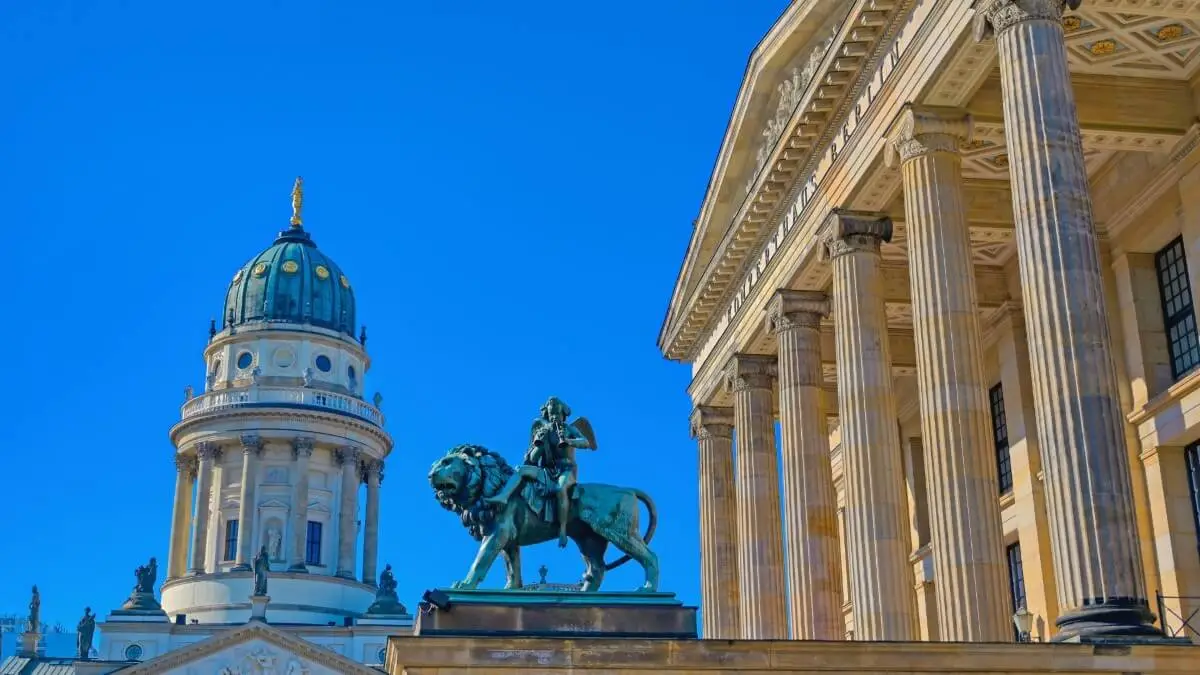

Brandenburg Gate – Icon of Berlin
Berlin’s most iconic landmark and a symbol of unity, perfect for Instagram shots both day and night.
Reichstag Dome – Panoramic Views
A striking glass dome with spiral walkways and sweeping 360° views—one of Berlin’s top Instagrammable spots.
Berlin TV Tower – Skyline Icon
The Fernsehturm dominates Berlin’s skyline, offering iconic shots from below or panoramic views from the top.
East Side Gallery – Berlin Wall Art
Colorful murals along the Berlin Wall, including the famous “Fraternal Kiss,” make this one of the city’s most photographed spots.
Oberbaum Bridge – Sunset Shots
The Oberbaumbrücke connects East and West Berlin, its towers and arches glowing beautifully in the evening light.
Museum Island – River Views
A UNESCO World Heritage site where the Spree River meets Berlin Cathedral, offering postcard-perfect backdrops for photos.
Victory Column – Golden Panorama
The Siegessäule towers above Tiergarten with its golden statue, offering panoramic city views and stunning Instagram shots.
Berliner Dom – Cathedral & Dome Views
Berlin’s grand cathedral pairs ornate interiors with rooftop panoramas, making it a must for Instagram photos.
Gendarmenmarkt – Elegant Square
Berlin’s most elegant square, framed by twin cathedrals and the Konzerthaus—an atmospheric Instagram spot all year round.
Berlin Art, Culture & Events Scene
A quick guide to Berlin art, culture & events — from cutting-edge galleries and world-class museums to street art, lively festivals, and Berlin nightlife that cement the city’s place as Europe’s creative capital. Explore the highlights below and check our cultural map when you’re ready.
Must-See Museums & Venues
Neues Museum
Museum Island’s wow moment — home to the iconic Nefertiti bust and superb Egyptian & Near Eastern collections in a beautifully restored building. Wayfinding is clear and easy.
Tickets required; online booking recommended.
Alte Nationalgalerie
A Museum Island landmark showcasing 19th-century European painting — from Romanticism to Impressionism — ideal for a concise sweep of classics.
Tickets required; e-tickets available.
Bode-Museum
Sculpture and Byzantine art at the northern tip of Museum Island — serene galleries, top-tier curation, and the signature dome overlooking the Spree.
Tickets required; e-tickets available.
Deutsches Historisches Museum (DHM)
Germany and Europe in context — thematic exhibitions across the Baroque Zeughaus and the modern Pei Building, offering a clear, engaging narrative of history.
Tickets required; timed slots and special exhibitions in the Pei Building — online booking recommended.
Gemäldegalerie
Kulturforum’s Old Masters powerhouse — Rembrandt, Vermeer, Botticelli, and more — spanning the 13th to 18th centuries in spacious, well-lit galleries.
Tickets required; e-tickets available.
Hamburger Bahnhof – Nationalgalerie der Gegenwart
Berlin’s flagship for contemporary art — Warhol, Beuys, photography, installations, and large-scale immersive shows in a former railway station.
Tickets required; online booking recommended for popular temporary exhibitions.
Berlinische Galerie
Modern & contemporary art, photography, and architecture with a strong Berlin focus — from Dada and Constructivism to today’s scene.
Tickets required; e-tickets available (occasional combo offers with nearby museums).
Pergamonmuseum (Museum Island)
World-famous for the Ishtar Gate, Market Gate of Miletus, and Islamic Art collection. Note: the Pergamon Altar is currently closed due to long-term reconstruction (reopening planned for 2027).
Tickets required; timed entry slots — online booking strongly recommended.
Konzerthaus Berlin (Gendarmenmarkt)
An elegant neoclassical venue on Berlin’s most beautiful square — stellar Konzerthausorchester programs and classic “shoebox” acoustics.
Tickets required; tours available; online booking recommended.
Berlin Street Art & Alternative Culture
From the graffiti of the East Side Gallery to underground hubs and creative collectives, Berlin’s Street Art & Alternative Culture captures the city’s edgy, free-spirited vibe. Discover the highlights below and find out why it’s Europe’s street art capital.
East Side Gallery (Berlin Wall)
Berlin’s most famous street art landmark — a 1.3 km open-air gallery of murals painted on the former Berlin Wall. Expect iconic works, powerful messages, and endless photo opportunities along the Spree.
Free outdoors; please respect the artwork (no tagging/painting).
Open on Google Maps
Official Website
RAW-Gelände (Friedrichshain)
Former railway and industrial complex turned alternative culture hub — layered graffiti walls, pop-up galleries, skate park, bars, clubs, and markets. Come for the raw, authentic vibe and ever-changing urban art.
Free to explore outdoor areas; individual venues/events may require tickets or cover charge.
Open on Google Maps
Official Website
Teufelsberg (Abandoned Listening Station)
A hill built from WWII rubble with a former Cold War listening station on top — now a vast open-air canvas for murals and graffiti with panoramic views over Berlin. A unique mix of street art, history, urban exploration, and sweeping city views.
Admission required for site access; guided tours and time slots available on site’s calendar.
Open on Google Maps
Official Website
Berlin Festivals & Cultural Events
Berlin Festivals & Cultural Events pack the city’s calendar year-round — from world-class film and music festivals to parades, light shows, and traditions that highlight its creative spirit.
Berlinale – Berlin International Film Festival
One of the world’s “Big Three” film festivals — red carpets, international premieres, arthouse sections, Q&As, and industry events across iconic cinemas like Potsdamer Platz. Takes place over 10 days each February.
🎬 February
Festival of Lights
Citywide light art and projection mapping that transforms landmarks like the Brandenburg Gate and Berliner Dom into dazzling installations. Free to enjoy, with multiple routes across the city. Lasts about 10 days in October.
✨ October
Karneval der Kulturen (Carnival of Cultures)
Berlin’s colorful celebration of diversity — street parade, live music, dance, food stalls, and community stages showcasing cultures from around the world. Held in Kreuzberg with a huge parade and street festival. Runs for 4 days over Whitsun weekend.
🎉 May – June
Lollapalooza Berlin
Global mega-festival’s Berlin edition — headliners across pop, rock, and electronic, plus art installations, family zones, and a high-energy weekend vibe. Held at Olympiastadion & Olympiapark over 2 days each September.
🎸 September
Berliner Philharmoniker – Waldbühne Summer Concert
Open-air classical highlight in a stunning forest amphitheater — the Berlin Philharmonic closes its season with prestige and picnic-friendly summer atmosphere under the stars. A one-night concert held each June or July.
🎻 June – July
Berlin Christmas Markets (Weihnachtsmärkte)
Seasonal traditions across the city — wooden chalets, crafts, choral music, and mulled wine at beloved markets like Gendarmenmarkt and Alexanderplatz. Dozens of markets open daily from late November until Christmas.
🎄 Late November – December
Berlin Music, Theatre & Nightlife
Berlin Music, Theatre & Nightlife pulses with energy — from world-class concert halls and innovative theatres to underground clubs and legendary nightlife that keeps the city awake until dawn.
Berliner Philharmonie
Berlin’s iconic concert hall by Hans Scharoun — world-class acoustics and home to the Berlin Philharmonic. Expect classical masterpieces, guest orchestras, and special programs year-round. Also look out for lunch concerts and guided tours.
Tickets required; online booking recommended.
Deutsches Theater Berlin
One of Germany’s leading theatres with a rich tradition and innovative productions — from modern interpretations of classics to new dramas on the contemporary stage. Expect renowned ensembles and thoughtfully staged premieres.
Tickets required; advance reservations recommended.
A-Trane Jazz Club
One of Europe’s top jazz clubs — intimate basement setting with outstanding sound and nightly performances by local and international jazz greats. Expect intimate tables, crystal-clear acoustics, and an authentic late-night jazz vibe.
Tickets required; small venue, reservations advised.
Berghain / Panorama Bar
The world’s most famous techno club — housed in a vast former power plant. Known for its unrivaled sound system, international DJs, and legendary weekend marathons that often stretch into Monday.
Famously strict door policy; cover charge applies.
Sisyphos
Berlin’s open-air festival-style club — sprawling outdoor areas, dance floors, art installations, and marathon parties that stretch across entire weekends. Expect a colorful, creative vibe with multiple stages and constantly evolving installations.
Cover charge varies; entry mostly on weekends.
Clärchens Ballhaus
Historic dance hall dating back to 1913 — swing nights, tango evenings, live music, and DJs in a nostalgic yet lively setting that blends tradition with Berlin’s modern spirit. Expect retro charm, lively dance lessons, and vibrant weekend crowds.
Entry/cover varies by event.
Looking for Berlin’s creative pulse? Discover the city’s spirit — from iconic museums to vibrant street art and world-class music venues that light up Berlin.

Famous Quotes About Berlin
Berlin has long been a city of bold voices and sharp contrasts. From poets and politicians to musicians and filmmakers, its restless energy has inspired quotes that capture both its struggles and its brilliance.

Albert Einstein
“Berlin is the place to which I am most closely bound by human and scientific ties.”
(Albert Einstein, letter to Prussian Education Minister K. Haenisch, 1920)

David Bowie
“Berlin, the greatest cultural extravaganza that one could imagine.”
(David Bowie, interview with Vanity Fair, reflecting on his Berlin years)

Nick Cave
“Berlin gave me the dark space I needed to write. It was freedom and chaos.”
(Nick Cave, interview on his Berlin years, 1980s)
Berlin Travel Guide: Frequently Asked Questions
Is Berlin walkable?
Yes — Berlin is a very walkable city, especially in its central neighborhoods. Areas like Mitte, Prenzlauer Berg, and Kreuzberg are best explored on foot, with historic sites, lively cafés, and cultural highlights all close together. Walking between landmarks such as the Brandenburg Gate, the Berlin Cathedral, and Museum Island feels natural and rewarding. Still, Berlin is a large city overall — so while many districts are compact and pedestrian-friendly, you’ll often use the excellent U-Bahn, S-Bahn, and tram network to cover longer distances quickly and comfortably.
How to get around Berlin?
How to get around Berlin is easy with the city’s excellent public transport system. The U-Bahn and S-Bahn are fast and efficient for longer distances, while trams and buses connect most neighborhoods and offer scenic rides. Frequent services link the historic center with the outer districts, so you won’t need a car.
For unlimited travel, consider a Berlin WelcomeCard or BVG pass, offered for various durations and travel zones. These passes make exploring Berlin easy and cost-effective, especially if you’re combining several modes of transport in one trip.
Taxis and ride-hailing apps like Uber are available but usually more expensive, so most visitors prefer public transport. In central areas such as Mitte, walking is often the best option — many attractions are just a short stroll away.
For a unique Berlin experience, take a ride on the historic Tram M10 linking trendy neighborhoods, or enjoy a boat cruise along the Spree River for beautiful views of the city from the water.
When is the best time to visit Berlin?
The best time to visit Berlin depends on the kind of experience you’re looking for:
- Spring (April–May): Parks like Tiergarten and Tempelhofer Feld come into full bloom, with pleasant weather around 12–20 °C — perfect for walking tours and outdoor cafés.
- Summer (June–August): The city comes alive with open-air festivals, lakeside swimming, and long evenings, with warm temperatures of 20–30 °C. Popular spots like Museum Island and the Brandenburg Gate can be crowded, but the atmosphere is vibrant.
- Autumn (September–October): Cooler days (10–15 °C) and golden leaves make strolling along Unter den Linden or the Spree River particularly atmospheric, with fewer tourists than in summer.
- Winter (November–February): Berlin’s Christmas markets are famous worldwide, with decorated squares and festive lights adding a special charm. Temperatures often hover around 0 °C and days are short, but cozy cafés and world-class museums make it a rewarding season to visit.
How many days should I spend in Berlin?
Most travelers find that 3–4 days in Berlin gives you enough time to cover the essentials — exploring the historic sites along Unter den Linden, visiting the Brandenburg Gate and Reichstag, strolling through Museum Island, and soaking up Berlin’s vibrant food and nightlife scene.
With 5–6 days, you can slow down and explore neighborhoods in more depth, such as Kreuzberg, Prenzlauer Berg, or Friedrichshain, and even take day trips to places like Potsdam or the Sachsenhausen Memorial. For longer stays, Berlin makes a great base for discovering the northeast of Germany, with lakes, palaces, and historic towns just a short train ride away.
What are the must see Berlin attractions?
The must see Berlin attractions start with the iconic Brandenburg Gate, the Reichstag with its striking glass dome, and the moving Berlin Wall Memorial on Bernauer Strasse. Don’t miss Museum Island, a UNESCO World Heritage site home to world-class museums, or the impressive Berlin Cathedral nearby. For a deeper sense of history, visit the Holocaust Memorial and the East Side Gallery, where the longest preserved stretch of the Wall is covered in colorful murals. To round out your experience, stroll down Unter den Linden, relax in the vast Tiergarten park, and end the day with panoramic views from the Berlin TV Tower at Alexanderplatz.
Is Berlin safe for tourists?
Berlin is generally very safe for tourists and welcomes millions of visitors each year with very few problems. Violent crime is rare, and most central areas remain safe to walk even after dark. The main risk to watch for is pickpocketing in busy spots like Alexanderplatz, train stations, and on public transport. Use common sense: keep valuables secure, don’t leave bags unattended, and be cautious in nightlife districts late at night. With a bit of awareness, you can enjoy Berlin with confidence and peace of mind.
Where to stay in Berlin — what are the best neighborhoods?
Where to stay in Berlin depends on the type of trip you’re planning, and the best areas to stay in Berlin can vary based on your interests. For first-time visitors, Mitte is ideal — you’ll be within walking distance of major landmarks like the Brandenburg Gate, Museum Island, and Unter den Linden.
If you prefer a more bohemian and creative atmosphere, Kreuzberg is packed with street art, buzzing bars, and international food spots. For a quieter, village-like charm with leafy streets, cafés, and boutiques, head to Prenzlauer Berg. Travelers drawn to Berlin’s nightlife often choose Friedrichshain, home to the East Side Gallery and some of the city’s most famous clubs.
For a modern business and shopping hub, Charlottenburg and the Kurfürstendamm area offer a mix of history and comfort. Wherever you stay, Berlin’s excellent public transport makes it easy to reach the main sights.
What can I do in Berlin on a rainy day?
Berlin attractions aren’t limited to sunny days — the city has plenty of indoor highlights to make a rainy day just as enjoyable. Explore the world-class collections on Museum Island, from the Pergamon Museum to the Neues Museum, or explore contemporary art at the Hamburger Bahnhof. You can also delve into history at the German Historical Museum or see the powerful exhibits at the Jewish Museum.
For a different kind of experience, step into Berlin’s historic indoor markets like Markthalle Neun, or enjoy a cozy afternoon in one of the city’s many cafés, watching the rain while sipping coffee and cake. Families can also head to interactive spots such as the Deutsches Technikmuseum, the Berlin Aquarium, the Planetarium, or the Legoland Discovery Centre.
What are the best free things to do in Berlin?
There are plenty of free things to do in Berlin if you want to explore the city without spending a lot. Here are some of the top options:
- Brandenburg Gate: The city’s most iconic landmark is free to visit any time of day and looks especially beautiful when lit up at night.
- East Side Gallery: Walk along the longest preserved stretch of the Berlin Wall, now transformed into an open-air gallery of colorful murals.
- Reichstag Dome: Free to visit with advance registration, the glass dome offers sweeping views of the city skyline.
- Tiergarten Park: Wander Berlin’s vast central park — perfect for a stroll, a picnic, or simply relaxing in the greenery.
- Holocaust Memorial: Walk through this moving field of concrete stelae in the city center, free and open at all times.
- Markets & festivals: Keep an eye out for free cultural festivals, outdoor concerts, and street markets, especially in summer and during the Christmas season.
What day trips can I take from Berlin?
Planning day trips from Berlin? The city is a perfect base for exploring Germany and even nearby countries. One of the most popular day trips from Berlin is to Potsdam, famous for the stunning Sanssouci Palace and gardens. History lovers can visit the Sachsenhausen Memorial in Oranienburg or explore Wittenberg, birthplace of the Reformation.
If you love nature, head to the Spreewald, a beautiful landscape of canals and forests where you can take boat rides or cycle. For something further afield, Dresden is about two hours by train, offering baroque architecture and river views. Adventurous travelers can also venture further — Leipzig is a lively cultural hub nearby, while Poland’s Szczecin offers a cross-border option within easy reach.
Is Berlin expensive to visit?
Berlin is generally more affordable than many other major European capitals, though actual costs depend on your travel style. Public transport offers great value, with day passes covering buses, trams, the U-Bahn, and S-Bahn. Many top attractions — like the Brandenburg Gate, East Side Gallery, and the Holocaust Memorial — are free to visit, while most museums charge moderate entry fees compared to cities like Paris or London.
Dining options range from budget-friendly street food such as currywurst and doner kebabs, to trendy restaurants and upscale dining in neighborhoods like Mitte or Charlottenburg. This variety means you can enjoy Berlin’s food scene no matter your budget.
Accommodation in central areas can be pricier, but districts such as Kreuzberg, Neukölln, or Friedrichshain often offer better value and still keep you close to the action.
Is Berlin good for families with kids?
Berlin with kids is a fantastic choice — the Berlin Zoo and Aquarium rank among the most popular in Europe, and the Legoland Discovery Centre is perfect for younger children. Families can relax in wide green spaces like the Tiergarten or explore the interactive exhibits at the Deutsches Technikmuseum, perfect for curious minds.
For something playful, explore the Labyrinth Kindermuseum, designed especially for children, or head to the Planetarium for a fun indoor adventure. In summer, boat rides along the Spree River are always a hit with families.
When do the Christmas markets in Berlin take place?
The Christmas markets in Berlin are renowned for their magical festive atmosphere — with sparkling lights, wooden stalls brimming with handcrafted gifts, the aroma of mulled wine, and German holiday treats like roasted almonds and bratwurst.
The main markets at Gendarmenmarkt, Alexanderplatz, and in front of the Kaiser Wilhelm Memorial Church typically open in late November and run through the holiday season until just after Christmas, with some staying open into early January. Smaller neighborhood markets, such as those at Charlottenburg Palace or Potsdamer Platz, add even more variety, making Berlin one of Europe’s most enchanting holiday destinations.
Where are the remains of the Berlin Wall?
The Berlin Wall once divided Berlin for nearly three decades, and today several key sites keep its history alive. The most famous stretch is the East Side Gallery, a 1.3 km stretch transformed into an open-air gallery covered in colorful murals. For a deeper sense of history, visit the Berlin Wall Memorial on Bernauer Strasse, where original segments, a preserved watchtower, and a documentation center share powerful stories of division and reunification.
You can also see parts of the Wall at Potsdamer Platz, where fragments stand as striking reminders amid modern skyscrapers, and at the Topography of Terror, where outdoor exhibits run along the former border strip. Together, these sites provide a moving journey through one of the most defining chapters in Berlin’s history.
Why is Berlin nightlife world-famous?
Berlin nightlife is world-famous for its diversity, creativity, and sense of freedom. After the fall of the Berlin Wall in 1989, abandoned buildings and warehouses in East Berlin quickly turned into underground clubs and parties, shaping a culture defined by openness and experimentation. This spirit still defines the scene today.
For electronic music fans, legendary clubs like Berghain, Tresor, and Sisyphos have cemented Berlin’s reputation as the techno capital of the world. But nightlife here isn’t just about all-night dancing — you’ll also discover laid-back cocktail bars in Mitte, quirky kneipen (pubs) in Kreuzberg, and vibrant beach bars along the Spree in summer. With something happening every night of the week, Berlin offers a nightlife experience unlike any other in Europe.
Yes — Berlin is a very walkable city, especially in its central neighborhoods. Areas like Mitte, Prenzlauer Berg, and Kreuzberg are best explored on foot, with historic sites, lively cafés, and cultural highlights all close together. Walking between landmarks such as the Brandenburg Gate, the Berlin Cathedral, and Museum Island feels natural and rewarding. Still, Berlin is a large city overall — so while many districts are compact and pedestrian-friendly, you’ll often use the excellent U-Bahn, S-Bahn, and tram network to cover longer distances quickly and comfortably.
How to get around Berlin is easy with the city’s excellent public transport system. The U-Bahn and S-Bahn are fast and efficient for longer distances, while trams and buses connect most neighborhoods and offer scenic rides. Frequent services link the historic center with the outer districts, so you won’t need a car.
For unlimited travel, consider a Berlin WelcomeCard or BVG pass, offered for various durations and travel zones. These passes make exploring Berlin easy and cost-effective, especially if you’re combining several modes of transport in one trip.
Taxis and ride-hailing apps like Uber are available but usually more expensive, so most visitors prefer public transport. In central areas such as Mitte, walking is often the best option — many attractions are just a short stroll away.
For a unique Berlin experience, take a ride on the historic Tram M10 linking trendy neighborhoods, or enjoy a boat cruise along the Spree River for beautiful views of the city from the water.
The best time to visit Berlin depends on the kind of experience you’re looking for:
- Spring (April–May): Parks like Tiergarten and Tempelhofer Feld come into full bloom, with pleasant weather around 12–20 °C — perfect for walking tours and outdoor cafés.
- Summer (June–August): The city comes alive with open-air festivals, lakeside swimming, and long evenings, with warm temperatures of 20–30 °C. Popular spots like Museum Island and the Brandenburg Gate can be crowded, but the atmosphere is vibrant.
- Autumn (September–October): Cooler days (10–15 °C) and golden leaves make strolling along Unter den Linden or the Spree River particularly atmospheric, with fewer tourists than in summer.
- Winter (November–February): Berlin’s Christmas markets are famous worldwide, with decorated squares and festive lights adding a special charm. Temperatures often hover around 0 °C and days are short, but cozy cafés and world-class museums make it a rewarding season to visit.
Most travelers find that 3–4 days in Berlin gives you enough time to cover the essentials — exploring the historic sites along Unter den Linden, visiting the Brandenburg Gate and Reichstag, strolling through Museum Island, and soaking up Berlin’s vibrant food and nightlife scene.
With 5–6 days, you can slow down and explore neighborhoods in more depth, such as Kreuzberg, Prenzlauer Berg, or Friedrichshain, and even take day trips to places like Potsdam or the Sachsenhausen Memorial. For longer stays, Berlin makes a great base for discovering the northeast of Germany, with lakes, palaces, and historic towns just a short train ride away.
The must see Berlin attractions start with the iconic Brandenburg Gate, the Reichstag with its striking glass dome, and the moving Berlin Wall Memorial on Bernauer Strasse. Don’t miss Museum Island, a UNESCO World Heritage site home to world-class museums, or the impressive Berlin Cathedral nearby. For a deeper sense of history, visit the Holocaust Memorial and the East Side Gallery, where the longest preserved stretch of the Wall is covered in colorful murals. To round out your experience, stroll down Unter den Linden, relax in the vast Tiergarten park, and end the day with panoramic views from the Berlin TV Tower at Alexanderplatz.
Berlin is generally very safe for tourists and welcomes millions of visitors each year with very few problems. Violent crime is rare, and most central areas remain safe to walk even after dark. The main risk to watch for is pickpocketing in busy spots like Alexanderplatz, train stations, and on public transport. Use common sense: keep valuables secure, don’t leave bags unattended, and be cautious in nightlife districts late at night. With a bit of awareness, you can enjoy Berlin with confidence and peace of mind.
Where to stay in Berlin depends on the type of trip you’re planning, and the best areas to stay in Berlin can vary based on your interests. For first-time visitors, Mitte is ideal — you’ll be within walking distance of major landmarks like the Brandenburg Gate, Museum Island, and Unter den Linden.
If you prefer a more bohemian and creative atmosphere, Kreuzberg is packed with street art, buzzing bars, and international food spots. For a quieter, village-like charm with leafy streets, cafés, and boutiques, head to Prenzlauer Berg. Travelers drawn to Berlin’s nightlife often choose Friedrichshain, home to the East Side Gallery and some of the city’s most famous clubs.
For a modern business and shopping hub, Charlottenburg and the Kurfürstendamm area offer a mix of history and comfort. Wherever you stay, Berlin’s excellent public transport makes it easy to reach the main sights.
Berlin attractions aren’t limited to sunny days — the city has plenty of indoor highlights to make a rainy day just as enjoyable. Explore the world-class collections on Museum Island, from the Pergamon Museum to the Neues Museum, or explore contemporary art at the Hamburger Bahnhof. You can also delve into history at the German Historical Museum or see the powerful exhibits at the Jewish Museum.
For a different kind of experience, step into Berlin’s historic indoor markets like Markthalle Neun, or enjoy a cozy afternoon in one of the city’s many cafés, watching the rain while sipping coffee and cake. Families can also head to interactive spots such as the Deutsches Technikmuseum, the Berlin Aquarium, the Planetarium, or the Legoland Discovery Centre.
There are plenty of free things to do in Berlin if you want to explore the city without spending a lot. Here are some of the top options:
- Brandenburg Gate: The city’s most iconic landmark is free to visit any time of day and looks especially beautiful when lit up at night.
- East Side Gallery: Walk along the longest preserved stretch of the Berlin Wall, now transformed into an open-air gallery of colorful murals.
- Reichstag Dome: Free to visit with advance registration, the glass dome offers sweeping views of the city skyline.
- Tiergarten Park: Wander Berlin’s vast central park — perfect for a stroll, a picnic, or simply relaxing in the greenery.
- Holocaust Memorial: Walk through this moving field of concrete stelae in the city center, free and open at all times.
- Markets & festivals: Keep an eye out for free cultural festivals, outdoor concerts, and street markets, especially in summer and during the Christmas season.
Planning day trips from Berlin? The city is a perfect base for exploring Germany and even nearby countries. One of the most popular day trips from Berlin is to Potsdam, famous for the stunning Sanssouci Palace and gardens. History lovers can visit the Sachsenhausen Memorial in Oranienburg or explore Wittenberg, birthplace of the Reformation.
If you love nature, head to the Spreewald, a beautiful landscape of canals and forests where you can take boat rides or cycle. For something further afield, Dresden is about two hours by train, offering baroque architecture and river views. Adventurous travelers can also venture further — Leipzig is a lively cultural hub nearby, while Poland’s Szczecin offers a cross-border option within easy reach.
Berlin is generally more affordable than many other major European capitals, though actual costs depend on your travel style. Public transport offers great value, with day passes covering buses, trams, the U-Bahn, and S-Bahn. Many top attractions — like the Brandenburg Gate, East Side Gallery, and the Holocaust Memorial — are free to visit, while most museums charge moderate entry fees compared to cities like Paris or London.
Dining options range from budget-friendly street food such as currywurst and doner kebabs, to trendy restaurants and upscale dining in neighborhoods like Mitte or Charlottenburg. This variety means you can enjoy Berlin’s food scene no matter your budget.
Accommodation in central areas can be pricier, but districts such as Kreuzberg, Neukölln, or Friedrichshain often offer better value and still keep you close to the action.
Berlin with kids is a fantastic choice — the Berlin Zoo and Aquarium rank among the most popular in Europe, and the Legoland Discovery Centre is perfect for younger children. Families can relax in wide green spaces like the Tiergarten or explore the interactive exhibits at the Deutsches Technikmuseum, perfect for curious minds.
For something playful, explore the Labyrinth Kindermuseum, designed especially for children, or head to the Planetarium for a fun indoor adventure. In summer, boat rides along the Spree River are always a hit with families.
The Christmas markets in Berlin are renowned for their magical festive atmosphere — with sparkling lights, wooden stalls brimming with handcrafted gifts, the aroma of mulled wine, and German holiday treats like roasted almonds and bratwurst.
The main markets at Gendarmenmarkt, Alexanderplatz, and in front of the Kaiser Wilhelm Memorial Church typically open in late November and run through the holiday season until just after Christmas, with some staying open into early January. Smaller neighborhood markets, such as those at Charlottenburg Palace or Potsdamer Platz, add even more variety, making Berlin one of Europe’s most enchanting holiday destinations.
The Berlin Wall once divided Berlin for nearly three decades, and today several key sites keep its history alive. The most famous stretch is the East Side Gallery, a 1.3 km stretch transformed into an open-air gallery covered in colorful murals. For a deeper sense of history, visit the Berlin Wall Memorial on Bernauer Strasse, where original segments, a preserved watchtower, and a documentation center share powerful stories of division and reunification.
You can also see parts of the Wall at Potsdamer Platz, where fragments stand as striking reminders amid modern skyscrapers, and at the Topography of Terror, where outdoor exhibits run along the former border strip. Together, these sites provide a moving journey through one of the most defining chapters in Berlin’s history.
Berlin nightlife is world-famous for its diversity, creativity, and sense of freedom. After the fall of the Berlin Wall in 1989, abandoned buildings and warehouses in East Berlin quickly turned into underground clubs and parties, shaping a culture defined by openness and experimentation. This spirit still defines the scene today.
For electronic music fans, legendary clubs like Berghain, Tresor, and Sisyphos have cemented Berlin’s reputation as the techno capital of the world. But nightlife here isn’t just about all-night dancing — you’ll also discover laid-back cocktail bars in Mitte, quirky kneipen (pubs) in Kreuzberg, and vibrant beach bars along the Spree in summer. With something happening every night of the week, Berlin offers a nightlife experience unlike any other in Europe.
Berlin Travel Tips & Insights
What’s the best way to see Berlin’s highlights quickly?
Walking is the best way to explore Berlin’s central highlights, where sights like the Brandenburg Gate, the Reichstag, and Museum Island are all within walking distance of one another. To see more in less time, use the city’s excellent U-Bahn and S-Bahn network, which connects highlights such as Checkpoint Charlie, the East Side Gallery, and Alexanderplatz within just a few stops. A mix of walking and quick train rides is the most efficient way to take in Berlin’s essentials in a day or two.
Does Berlin have public transport at night?
Yes — Berlin’s public transport operates throughout the night. When the U-Bahn closes around 1 AM on weekdays, night buses replace it and cover the main routes until morning. On weekends, many U-Bahn and S-Bahn lines run all night, making it easy to travel between districts without relying on taxis. Night services generally run every 15–30 minutes, so getting around after dark is safe, reliable, and convenient.
Which hidden spots are worth seeking out in Berlin?
-
Teufelsberg: An abandoned Cold War–era listening station, now covered in colorful street art and offering panoramic views of the city.
-
Prinzessinnengarten: A community garden in Kreuzberg where locals grow food, host workshops, and create a relaxed urban oasis.
-
Spreepark: A former amusement park in Plänterwald, now partly overgrown and eerie, with occasional guided tours that reveal its unusual past.
-
Clärchens Ballhaus: A century-old dance hall that still hosts live music and dancing, with a magical, time-warp atmosphere.
-
Botanischer Garten: One of the world’s largest botanical gardens, featuring serene paths, exotic greenhouses, and seasonal blooms — a refined escape from Berlin’s urban energy.
Does Berlin really have a live music scene beyond techno?
Yes — Berlin is renowned as the techno capital of the world, but its live music scene extends far beyond the clubs. The city offers countless venues showcasing everything from indie rock and electronic acts to experimental jazz and world music. Legendary spots like Quasimodo and A-Trane are renowned for jazz, while venues such as SO36 and Lido highlight punk, rock, and alternative sounds. With concerts happening every week, Berlin makes it easy to discover live music to suit almost any taste.
Where can I find the best street art in Berlin?
Berlin is often called the street art capital of Europe, and you’ll spot murals and graffiti almost everywhere. The most famous site is the East Side Gallery, a 1.3 km stretch of the Berlin Wall covered with colorful artworks by international artists. For a more alternative vibe, head to the RAW-Gelände in Friedrichshain, a former industrial complex now filled with murals, clubs, and cultural spaces.
In Kreuzberg, street art lines building facades and alleyways, with iconic works like the astronaut mural on Oranienstrasse. For something different, climb up to Teufelsberg, an abandoned Cold War listening station turned into a giant open-air gallery. Together, these spots showcase why Berlin is one of the best places in the world to explore urban art.
Is Berlin still famous for its cabaret and theater scene?
Yes — Berlin’s reputation for cabaret and theater goes back to the 1920s, when smoky clubs and avant-garde stages shaped the city’s cultural life. That spirit is still alive today. Modern cabaret and varieté shows at venues like Bar jeder Vernunft or Tipi am Kanzleramt mix music, satire, and playful performance in true Berlin style.
On the theater side, Berlin remains one of Europe’s most influential cities. Legendary stages such as the Berliner Ensemble (founded by Bertolt Brecht), the Volksbühne, and the Schaubühne are celebrated for their bold productions, while countless smaller theaters experiment with new forms and ideas. For visitors who want to go beyond museums and nightlife, Berlin’s cabaret and theater scene offers a fascinating window into the city’s creative soul.
Where can I experience real Berlin evenings?
For a truly Berlin evening, start in a traditional beer garden like the historic Prater Garten in Prenzlauer Berg or at relaxed riverside spots along the Spree. If you’d prefer culture, catch a live music show, theater performance, or cabaret — each reflecting the city’s creative spirit.
For a more laid-back option, take an evening walk through the illuminated Brandenburg Gate or along Unter den Linden, enjoying one of Berlin’s most iconic night views.
Where can I try typical Berlin food?
Berlin’s food culture is as diverse as the city itself. For a classic snack, try a currywurst, best enjoyed at spots like Curry 36 in Kreuzberg or Konnopke’s Imbiss under the U-Bahn in Prenzlauer Berg.
Another Berlin staple is the döner kebab, introduced by Turkish immigrants and now considered part of the city’s identity. Many say the most famous comes from Mustafa’s Gemüse Kebap near Mehringdamm, though you’ll find excellent options all over the city.
And for something sweet, don’t miss a Berliner Pfannkuchen (simply called “Berliner”), a jam-filled pastry sold in bakeries across the city — especially popular during Carnival season. Together, these foods give you a real taste of everyday Berlin.
What are the best markets in Berlin?
Berlin is famous for its lively markets, from vintage finds to local food. The Mauerpark Flea Market is the most popular, with antiques, street food, and Sunday karaoke. For a more local vibe, visit the Boxhagener Platz Flea Market in Friedrichshain, or Markthalle Neun in Kreuzberg, known for Street Food Thursdays and artisanal stalls.
Seasonal highlights like the Christmas markets and neighborhood farmers’ markets add even more flavor, making Berlin one of Europe’s top cities for browsing, tasting, and discovering something new.
What to do in summer by the water in Berlin?
-
Badeschiff: One of Berlin’s most iconic summer spots — a floating pool on the Spree with a sandy beach, bars, and DJ sets.
-
Wannsee: A vast lake in southwest Berlin with sandy beaches, water sports, and plenty of room for swimming and relaxation.
-
Weißensee: Smaller and more local, this lake offers a laid-back vibe with a lido, lakeside café, and green surroundings.
-
Plötzensee: A popular spot for Berliners to sunbathe and swim, conveniently close to the city center.
-
Spree River cruises: A classic summer activity — enjoy the cool breeze on deck and striking views of Berlin’s skyline.
What seasonal events make Berlin special?
-
Winter: Berlin Christmas markets are among the most famous in Europe, especially at Gendarmenmarkt, Charlottenburg Palace, and Alexanderplatz. Expect festive lights, mulled wine, and seasonal ice rinks. In February, the Berlinale International Film Festival brings filmmakers, stars, and movie lovers from around the world, making it one of Berlin’s most important cultural highlights.
-
Spring: Gallery Weekend Berlin turns the city into a giant art showcase, while parks like Tiergarten and Tempelhofer Feld burst into bloom, hosting outdoor events and festivals.
-
Summer: The city comes alive with open-air concerts, rooftop parties, and lively street festivals. Lakes and riverside spots also become Berlin’s summer playground.
-
Autumn: The Festival of Lights transforms landmarks with spectacular projections, while Berlin Art Week highlights contemporary galleries and exhibitions. Wine and food festivals add seasonal flavor across neighborhoods.
These events show why Berlin is worth visiting year-round — from Christmas magic in winter to vibrant festivals and outdoor culture in summer and autumn.
How can I get tickets for Berlin museums — and visit them in a special way?
For most Berlin museums and other top Berlin attractions, it’s best to book tickets online in advance to skip the lines — especially for highlights like the Pergamon Museum, Neues Museum, and other venues on Museum Island. The Reichstag Dome is free but requires advance registration through the official Bundestag website. Tickets are also sold on-site, but expect long queues in summer and during holidays.
For something special, Berlin also hosts the Long Night of Museums twice a year, when more than 70 museums stay open until midnight with concerts, guided tours, and shuttle buses linking the venues.
Where can I slow down and relax outdoors in Berlin?
-
Tiergarten: Berlin’s central park, ideal for a stroll, picnic, or bike ride, with shaded paths and monuments right in the heart of the city.
-
Tempelhofer Feld: A former airport turned public park, where people cycle, skate, and fly kites on the old runways — one of Berlin’s most distinctive open spaces.
-
Treptower Park: A riverside park with wide lawns, boat rentals, and the striking Soviet War Memorial.
-
Weißensee Lake: A quieter retreat with a lido, café, and plenty of greenery for a laid-back day by the water.
Berlin’s green spaces make it easy to step away from the bustle and enjoy a slower pace outdoors. For more tips and highlights, explore our Berlin Travel Guide.